Hope and Tragedy as Medical Evacuations Restart
WHO Calls Rafah Evacuation a Test of Hope for Gaza
Geneva/Gaza: As time runs out for thousands of critically ill people in Gaza, the reopening of the Rafah crossing has revived fragile hopes for medical evacuations, the World Health Organization (WHO) said today, even as it warned that “too many stayed behind” without access to lifesaving treatment.
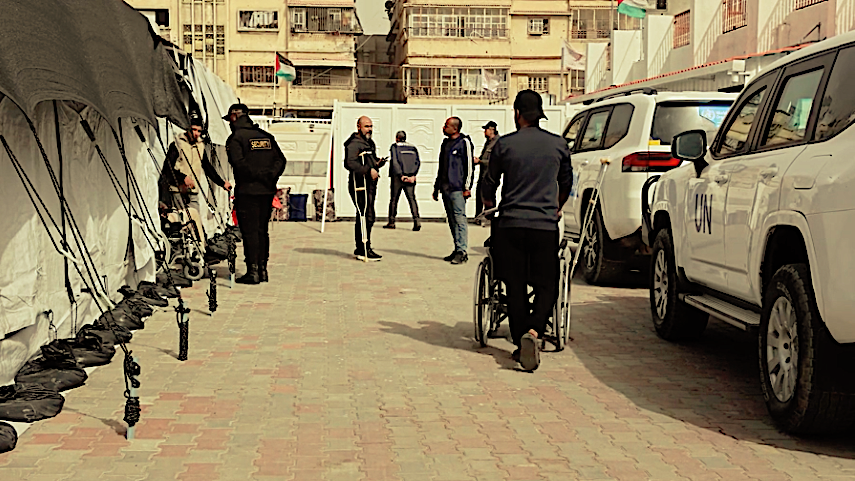
The Rafah crossing in southern Gaza reopened yesterday for the first time in more than a year, under provisions linked to a United States-backed peace plan proposed in September 2025. On the same day, WHO and its partners supported the medical evacuation of five patients and seven accompanying family members to Egypt.
WHO spokesperson Christian Lindmeier told reporters in Geneva that this marked the first medical evacuation through Rafah since sometime in 2025. He said WHO’s role focused on ensuring the safe transfer of patients from inside Gaza to the border crossing, organising logistics, and notifying families once exit approval was secured.
“It was the first medical evacuation through this route since sometime last year,” Lindmeier said. “We managed to get five out, which is fantastic, but obviously we need many more.”
According to WHO estimates, more than 18,500 patients in Gaza still require specialised medical care that is no longer available inside the enclave. Lindmeier described yesterday’s evacuation as both the start of a renewed process and a test of whether a sustained and regular flow of medical evacuations can be achieved.
“We all believe it did work so far,” he said, expressing cautious optimism that the mechanism could now be expanded.
He explained that patient selection is carried out by health authorities on the ground, who compile priority lists based on medical need and submit them to security authorities. Once clearance for exit through Rafah is granted, WHO helps organise transport and ensures families are informed.
The patients awaiting evacuation include those with severe trauma injuries caused by the war, as well as people suffering from chronic illnesses such as cancer and diabetes, conditions for which, he said, “help is not available in Gaza anymore.”
Before the conflict, hundreds of patients crossed daily through Rafah to seek specialised treatment abroad. “For good reason,” Lindmeier said, adding that the situation must return to those levels if preventable deaths are to be avoided.
“Eighteen thousand five hundred waiting, five managed to get out. Too many stayed behind,” he said. “That’s not just math — it’s a human disaster for those having to wait.”
The WHO spokesperson also drew attention to the tragedy of patients who have died while waiting for evacuation, describing it as especially painful because advanced medical care is available just a few miles beyond Gaza’s borders but remains inaccessible for political reasons.
A major challenge in expanding the evacuation process, he said, is finding countries willing to accept and treat patients from Gaza.
“We need more and more countries to step up and help,” Lindmeier urged. He stressed that those being evacuated are among the most vulnerable, suffering from medical conditions that cannot be treated inside Gaza’s damaged health system.
“We would wish many more countries would come forward and help on that front,” he said.
WHO said discussions are continuing with authorities and partner states to scale up evacuations in the coming days, warning that without a sustained and significantly larger mechanism, thousands of lives remain at risk despite the symbolic reopening of the Rafah crossing.
– global bihari bureau