Four Years of War, One Woman’s Daily Fight for Survival
Blackouts and War Push Ukraine’s Women to Breaking Point
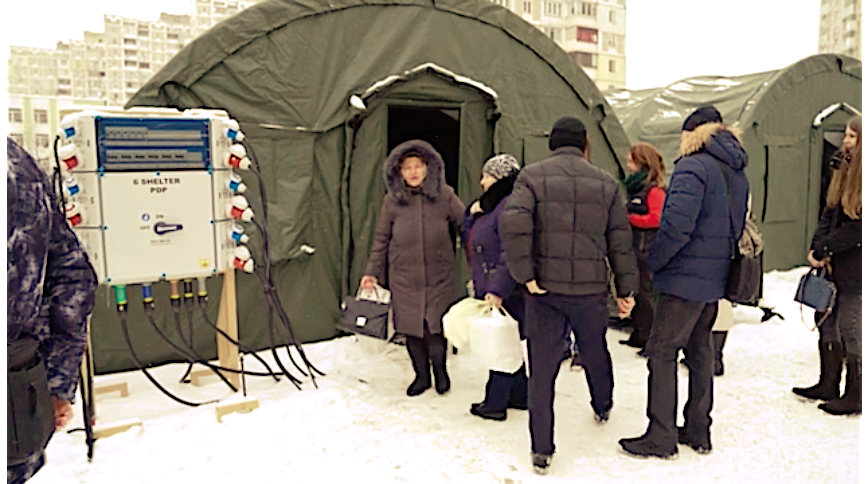
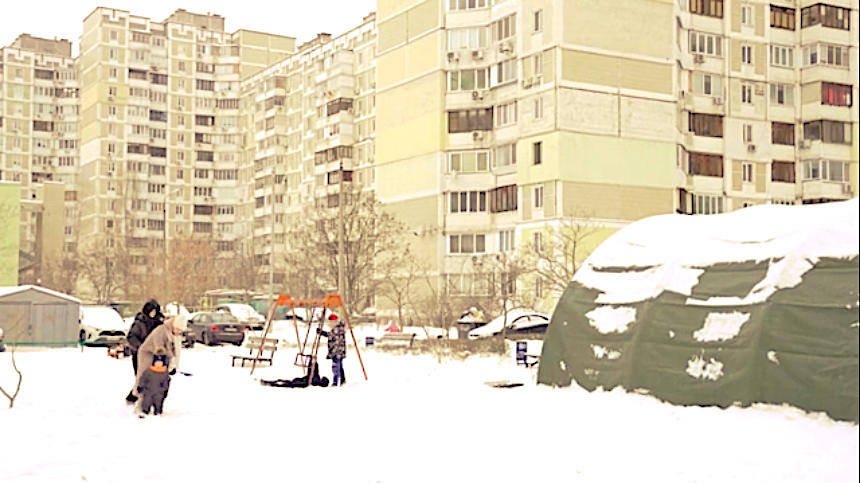
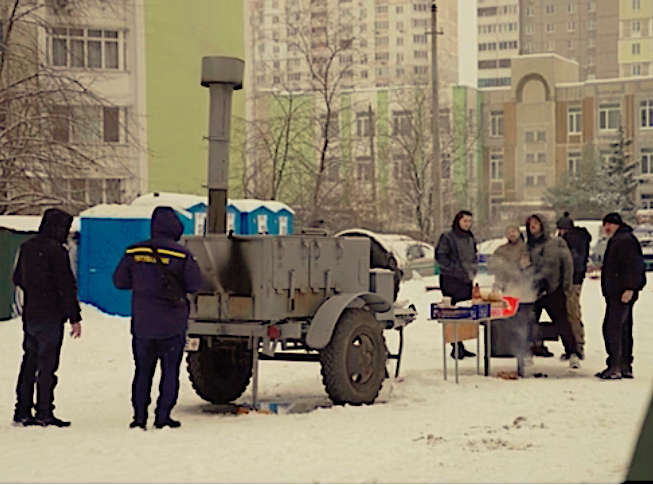
Kyiv/Geneva: Inside a heated emergency tent in Kyiv, erected to shelter residents during yet another power blackout, Irina waited for the lights to return. Around her, families huddled in coats, charging mobile phones when electricity briefly flickered back. Outside, streets lay in darkness, and public transport had slowed to a crawl.
“No electricity means no school for my children and no electricity means no job for me,” Irina said quietly. “It means no salary.”
Her words captured what humanitarian agencies described on Friday as a growing national crisis for Ukrainian women after four years of war. Attacks on energy and healthcare systems, combined with shrinking international funding, are placing unprecedented strain on families and on the organisations trying to support them.
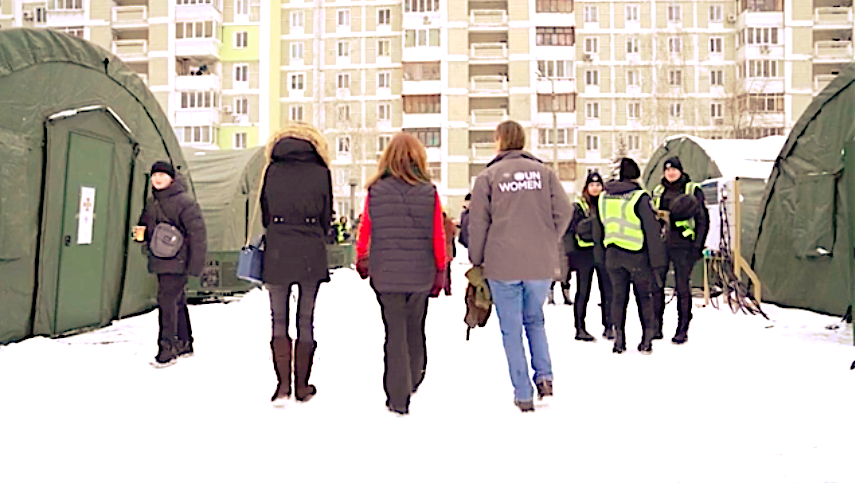
New findings presented by UN Women, the International Federation of Red Cross and Red Crescent Societies, and the World Health Organization show that nearly 65 per cent of Ukraine’s energy generation capacity has been destroyed by deliberate attacks. Entire communities now face prolonged blackouts, leaving homes without heating, streets without lighting and transport systems intermittently shut down during the coldest months of the year.
Humanitarian officials stressed that power outages are not simply technical failures but daily threats to women’s safety and livelihoods. Extended darkness, broken transport links and unlit public spaces severely restrict women’s movement and increase their exposure to accidents and harassment. For many, travel to work or school has become a calculated risk.
The loss of electricity has also erased incomes. Large numbers of women work in sectors hit hardest by blackouts — education, healthcare, social services and retail. When schools close, clinics scale back services, and shops shut their doors, women are often the first to lose jobs or wages. For families like Irina’s, the blackout means more than cold rooms; it means the disappearance of stability.
UN Women reported that 2025 was the deadliest year of the conflict so far for women. Since Russia’s full-scale invasion began on 24 February 2022, more than 5,000 women and girls have been confirmed killed and about 14,000 injured. Officials cautioned that the real numbers are likely much higher, as many deaths and injuries go unrecorded in frontline and occupied areas.
Yet even as the toll has risen, women-led organisations have remained at the centre of Ukraine’s humanitarian response. Across cities and rural communities, these groups provide protection services, psychosocial care, emergency assistance and livelihood support to hundreds of thousands of Ukrainians. They help survivors of conflict-related sexual violence, assist displaced families and create small income opportunities for women who have lost everything.
Now, these organisations themselves face extinction.
A recent survey found that one in three women-led organisations fears it may not survive beyond six months due to cuts in foreign assistance. UN Women’s representative in Ukraine, Sabine Freizer Gunes, said funding reductions projected for 2025 and 2026 could amount to losses of at least 53.9 million dollars by the end of this year.
If the trend continues, an estimated 63,000 women in 2026 will lose access to vital services, including support for survivors of conflict-related sexual violence. Freizer Gunes warned that weakening women’s organisations at this moment risks weakening the entire humanitarian and recovery structure of Ukraine, with consequences for political participation, economic opportunity and long-term growth.
The energy crisis is also reshaping daily life for the most vulnerable. The IFRC warned that when power fails, it is older people, persons with disabilities and those with chronic illnesses who suffer the gravest consequences. Cold homes increase illness, while isolation and prolonged darkness deepen psychological distress.
Communities already traumatised by years of shelling and displacement are now facing what aid workers describe as exhaustion. Many people have lived through repeated attacks, yet access to specialised mental health and psychosocial support remains limited. Prolonged uncertainty has turned routine survival into a source of constant anxiety.
At the same time, attacks on healthcare facilities have continued across the country. WHO has verified more than 2,870 strikes on health services over the past four years, resulting in 233 deaths and 937 injuries among patients and healthcare workers. Hospitals and clinics are operating beyond surge capacity, with damaged infrastructure and depleted staff struggling to meet growing needs.
The war’s physical toll is also visible in rising disability figures. WHO estimates that the number of people living with disabilities in Ukraine has increased by nearly 390,000 — more than ten per cent — since February 2022. Behind those figures are shortages of medical supplies, limited freedom of movement and gaps in long-term rehabilitation and care.
For families like Irina’s, these numbers translate into everyday uncertainty. Electricity may return for a few hours and vanish again. Schools reopen briefly and close once more. Work becomes impossible to plan. Safety becomes fragile.
Humanitarian officials warned that unless civilian infrastructure is protected and international funding restored, the combined pressures of winter, blackouts and shrinking aid will leave tens of thousands of women without protection and deepen the crisis facing frontline communities as the war moves into another year.
Inside the heated tent in Kyiv, Irina waited for the lights to come back on. For now, she said, survival is measured in small victories — warmth for a few hours, a working phone charger, and the hope that tomorrow there will be electricity, school and work again.
– global bihari bureau