India-US Trade Deal Faces Opposition as Nationwide Strike Looms
Banks, Transport, Schools Report Possible Disruptions on 12 February
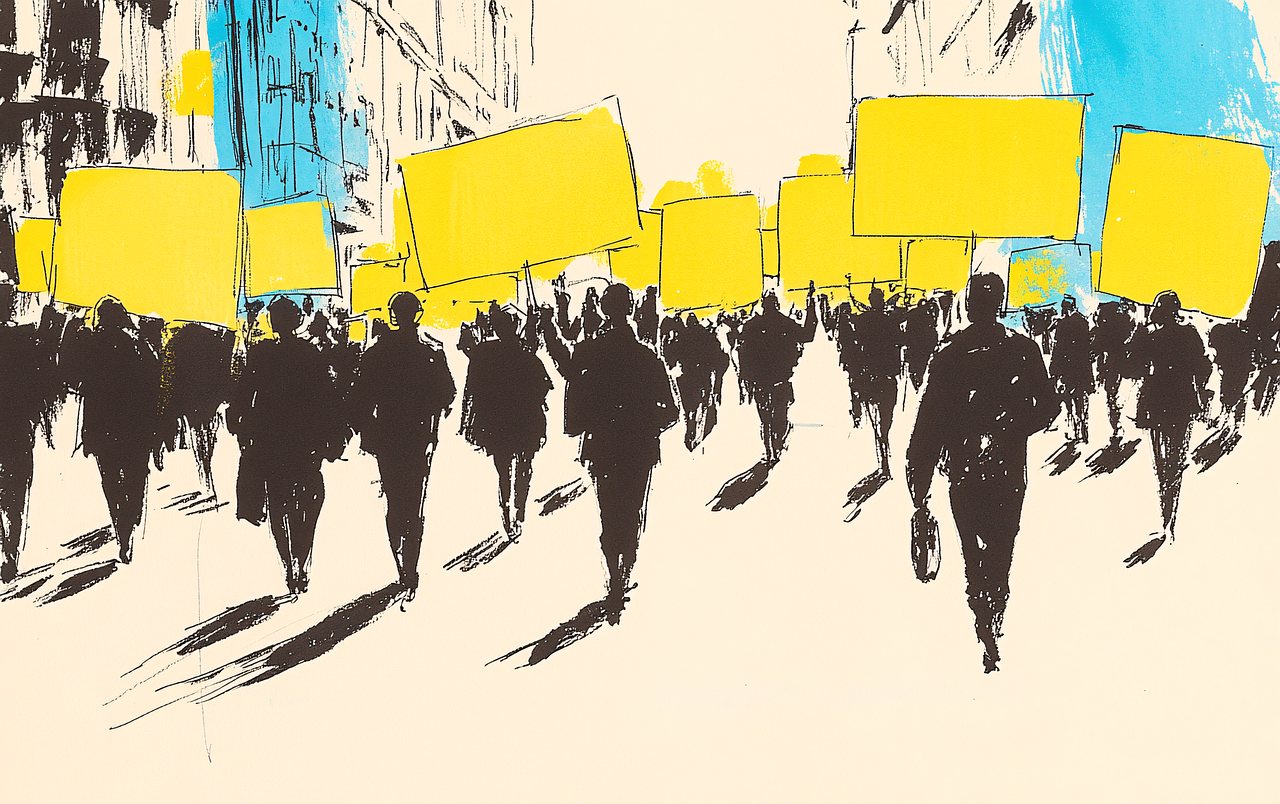
New Delhi: Trade unions, farmer groups, and workers from multiple sectors have called for a one-day nationwide strike on February 12, 2026, citing concerns over recent labour reforms, certain economic policies, pending issues related to the 8th Pay Commission, and aspects of the India-US trade deal. Farmer organisations have expressed apprehension that some provisions of the agreement could expose Indian agriculture to foreign competition, even though the government maintains that sensitive products like wheat, rice, corn, major fruits, and dairy are excluded. Termed an “India Bandh”, the strike has been called for a full day on February 12, with unions planning demonstrations and work stoppages across government offices, public sector banks, schools, and local transport in multiple states. Authorities have advised commuters and residents to anticipate demonstrations and plan travel accordingly.
Central trade unions, including Centre of Indian Trade Unions (CITU), All India Trade Union Congress (AITUC), Indian National Trade Union Congress (INTUC), Hind Mazdoor Sabha (HMS), All India Central Council of Trade Unions (AICCTU), Lok Shakti Parishad (LPF), and United Trade Union Congress (UTUC), have jointly called the strike. Bank employee unions such as All India Bank Employees Association (AIBEA), All India Bank Officers Association (AIBOA), and Bank Employees Federation of India (BEFI) have announced participation, indicating that public sector bank branches may operate with reduced staff or limited services, affecting deposit, withdrawal, and loan services in multiple cities.
The strike also targets various sectoral groups, including mid-day meal workers in schools, construction and transport workers, and employees in other public services. Participation by these sectoral workers is expected to disrupt routine operations in schools, transport services, and local municipal functions, highlighting the multi-dimensional nature of the protest.
Road traffic and public transport may be affected in areas where unions or farmers plan demonstrations, including in urban centres such as Delhi, Mumbai, Bengaluru, and Kolkata. In Delhi, reports indicate some bank branches may not operate normally, and public bus services could experience interruptions near areas where demonstrations are planned. Metro services are reported to be operational, though stations near major demonstration sites may see higher crowding. Schools are reportedly arranging alternative measures for mid-day meals. In Mumbai, road traffic and bus services could be affected in areas where protests occur, while bank branches may operate with limited staff. Bengaluru has seen announcements of local “rasta roko” actions by unions, which could influence movement on certain roads. In Kolkata, trade union and farmer demonstrations are reported in multiple districts, with potential implications for public transport and banking services. Private offices in these cities are largely expected to remain open.
Farmers’ organisations, including Samyukt Kisan Morcha (SKM) and All India Kisan Sabha (AIKS), have linked their participation to concerns regarding the India-US trade deal. While the government emphasises that zero tariffs are granted only for selected Indian exports and that sensitive products are fully protected, unions and farmers have expressed apprehension that the deal could indirectly affect domestic prices, market access, and rural livelihoods, particularly for small and marginal farmers. They view the agreement as part of broader economic policies that may prioritise international commitments over local agricultural interests.
Union Minister of Agriculture and Farmers Welfare and Rural Development, Shivraj Singh Chouhan, addressed the matter today, describing the agreement as “historic and unprecedented” and stating that it would provide new momentum to the Indian economy while strengthening global recognition for Indian agricultural products. Chouhan said the deal symbolises diplomacy, development, and dignity, emphasising that India’s policy approach is “based on commitment, not compromise,” and that national interests have been central to the agreement.
The minister highlighted that zero tariffs have been secured for many Indian agricultural exports to the United States, including spices, tea, coffee, coconut products, certain fruits, and select grains. At the same time, sensitive products such as soybean, corn, rice, wheat, sugar, dairy products, and several fruits and spices are excluded from the deal, ensuring Indian farmers’ interests are fully protected. Chouhan further noted that the agreement will provide new opportunities for farmers, women, and youth, particularly in sectors like textiles, gems and jewellery, auto components, and micro, small and medium enterprises (MSMEs). He also referenced previous Free Trade Agreements (FTAs) with countries such as the United Arab Emirates (UAE), Oman, New Zealand, and the United Kingdom (UK), highlighting that the India-US deal would similarly strengthen exports, farmers’ incomes, and rural livelihoods, contributing to the vision of an Atmanirbhar (self-reliant) and Viksit (developed) Bharat.
Labour unions have submitted notices and mobilised workers across several states. In Haryana, construction and labour unions in Bhiwani, Rewari, Mahendragarh, and Charkhi Dadri have declared participation, while government employees in Gurgaon and other districts are reportedly involved. Bihar, Chhattisgarh, and Uttarakhand have also reported union mobilisations, while the Raitha Sangha in Karnataka has called for support to link local farmer concerns with the nationwide strike. The 12 February action is framed as a combined labour, farmer, and sectoral protest, highlighting concerns over labour reforms, working conditions, the 8th Pay Commission, and policy decisions affecting farmers and rural communities. Essential services such as hospitals, emergency responders, and intercity railways are expected to continue operations, although access to certain areas may be influenced by local demonstrations.
– global bihari bureau