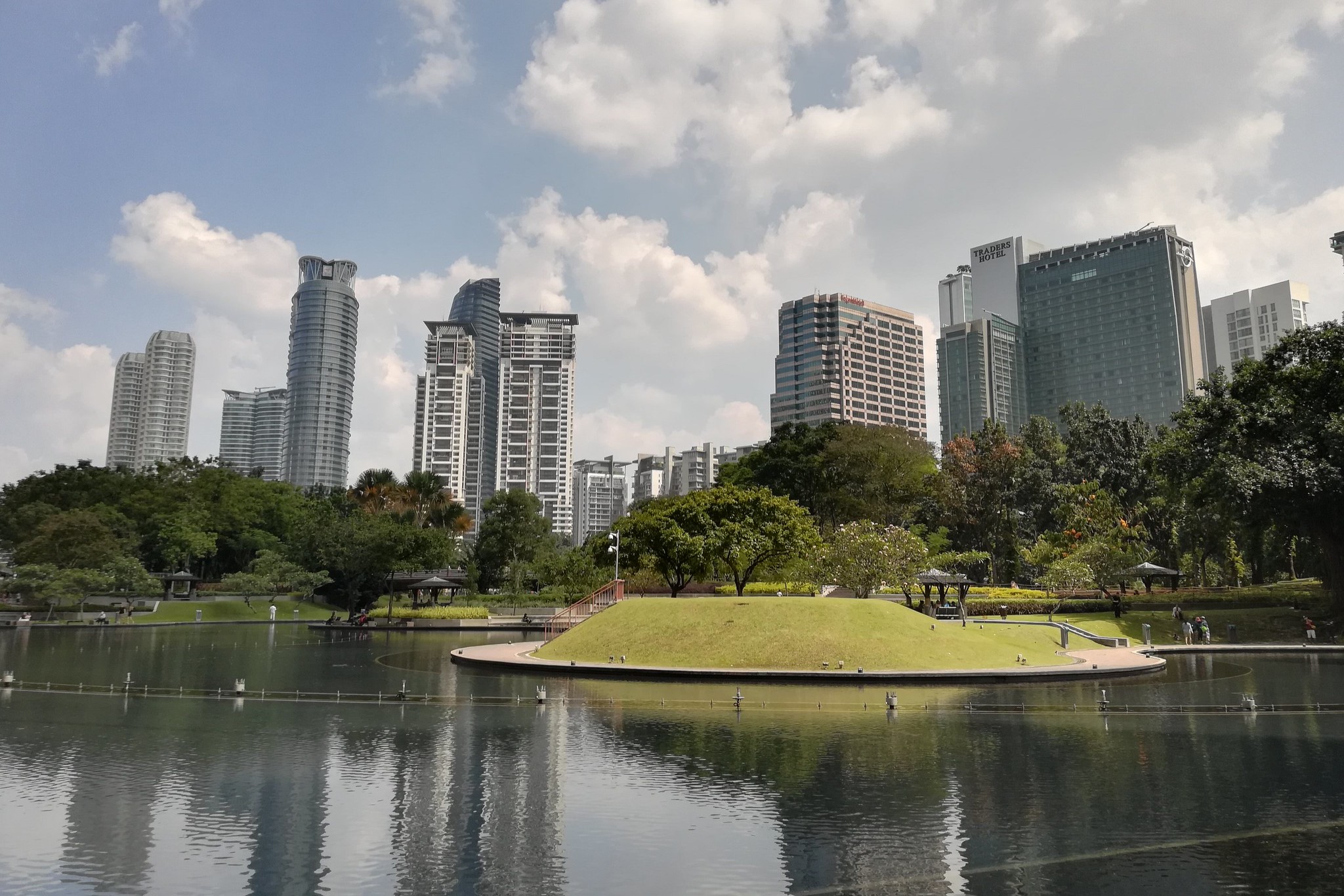
Integrating urban trees filters pollutants in cities, and greater green coverage can lower surface temperatures. ©FAO/Simone Borelli
How soil health shapes sustainable urban futures
Rome: On World Soil Day, celebrated every year on 5 December, attention turns to the hidden hero beneath our feet. Soils—often overlooked and underappreciated—play a pivotal role in shaping cities, supporting life, and sustaining ecosystems. This year’s observance underscores the vital connection between healthy soils and urban resilience, urging citizens, planners, and policymakers alike to recognise that the foundation of sustainable, green, and livable cities literally begins from the ground up.
This year’s World Soil Day theme further highlights the urgent need to protect and restore urban and peri-urban soils as essential resources for climate adaptation, clean water, food production, and public health. The Food and Agriculture Organisation of the United Nations (FAO)’s 2025 observance placed special emphasis on soil sealing caused by rapid and unplanned urban expansion, which reduces cities’ ability to absorb water, mitigate extreme heat, and support biodiversity. This year’s World Soil Day carries special significance as it coincides with FAO’s 80th anniversary. The celebration brought together scientists, city planners, young innovators, and community groups to demonstrate how healthy soils drive not just agriculture, but the overall liveability, habitability, and resilience of cities, reinforcing the message that soil protection must be seen as a core pillar of modern urban development. FAO Director-General QU Dongyu, opening the ceremony, emphasised that soil health is fundamental for the future of cities and the well-being of the people who live in them. “It is a moment to reflect and to look ahead to a future in which healthy soils are the foundation of efficient, inclusive, resilient and sustainable agrifood systems, healthier people, greener cities and a more prosperous planet,” the Director-General said. “The responsibility of each of us is clear: protect soils, restore soils and build cities that can thrive for future generations,” he added.
As the world urbanises at an unprecedented pace, cities are already home to around 55 per cent of the global population—a figure projected to rise to 68 per cent by 2050. Alongside this growth comes mounting pressure to provide fresh, safe, and nutritious food while building spaces that can withstand climate shocks. Soils, the unseen yet essential layer beneath streets, parks, and buildings, hold the key to meeting these challenges.
Far beyond simply supporting buildings, roads, and infrastructure, soils sustain resilient, green cities. Understanding this connection is essential for designing homes, neighbourhoods, and cities that are healthier and more sustainable.
The One Health approach helps frame why soils matter not just for infrastructure or agriculture, but for the health of entire ecosystems. One Health is an integrated, unifying framework recognising that the health of humans, animals (wild and domestic), plants, and the broader environment are deeply interconnected. By ensuring soils remain fertile, safe, and biologically active, cities support safe food production, biodiversity, clean water, and climate resilience—directly contributing to human, animal, and ecosystem health alike. In essence, healthy soils form a foundational pillar for One Health, linking urban planning, agriculture, waste management, and public health in one integrated system.
In this vision of greener, healthier urban life, the FAO Green Cities Initiative (GCI) plays a central role. Launched in 2020, the Initiative seeks to make cities vibrant, inclusive, and resilient—good for both people and nature—by 2030, targeting 1,000 cities worldwide. GCI supports the development of multifunctional green infrastructure, including urban and peri‑urban agriculture, sustainable bioeconomy solutions, urban forestry, and enhanced green spaces. It emphasises strengthening urban‑rural linkages, improving food security, fostering climate resilience, and generating economic opportunities. Through tailored strategies, capacity-building, knowledge exchange, and community participation, GCI empowers cities to integrate productive, green, and sustainable elements into urban planning, creating spaces that are healthier, more resilient, and environmentally sound.
On this World Soil Day, FAO emphasises that healthy soils are the backbone of thriving cities. They underpin agricultural development, food security, ecosystem functions, biodiversity, and resilience to climate change, making urban planning and soil protection inseparable.
So how exactly do soils and cities interact?
Firstly, soils are critical to feeding urban and peri‑urban populations. Over 80 per cent of the food consumed in cities comes from family farmers who depend on fertile rural soils. Investing in sustainable agricultural practices protects these soils, supports farmers’ livelihoods, and strengthens global food security.
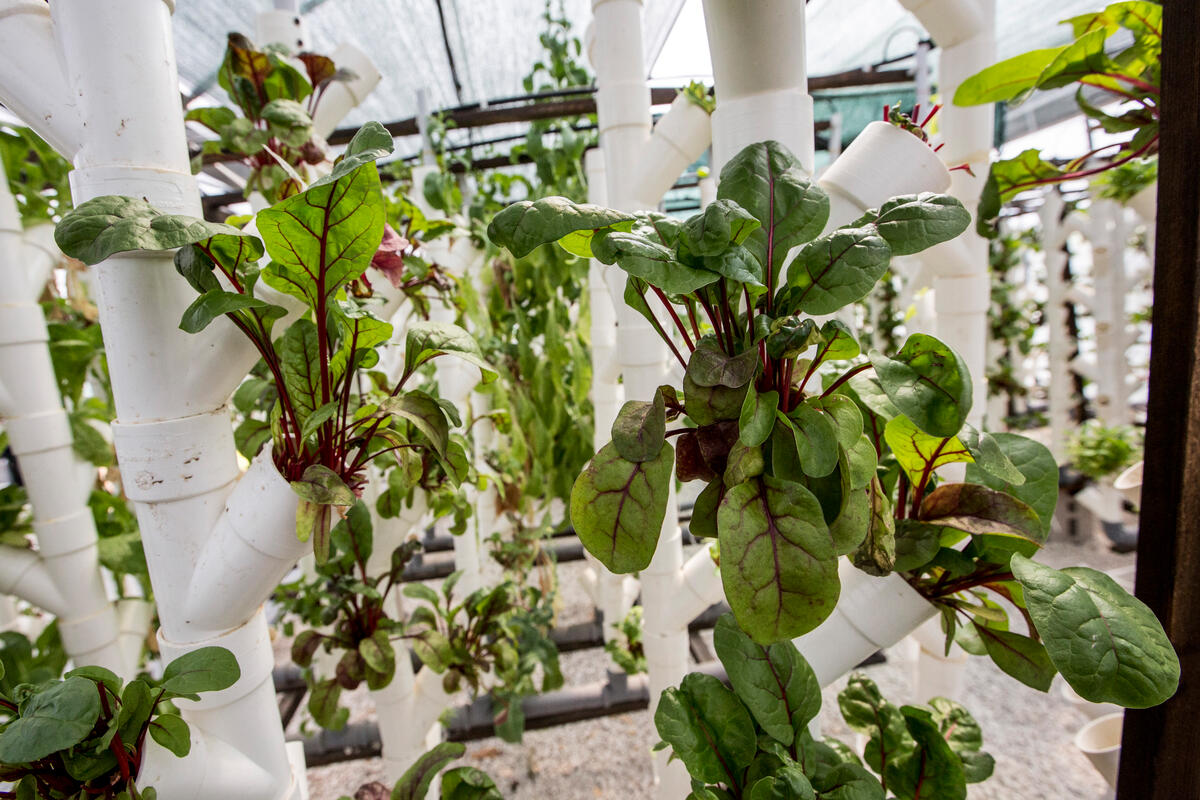
Urban soils themselves also play a direct role. They supply roughly 10 per cent of the world’s vegetables, legumes, and tubers, often grown in small plots, gardens, and rooftop farms that dot city landscapes. Gardens, plots, and rooftop farms help ensure that fresh, safe food remains available in urban markets, while urban agriculture offers new employment opportunities and strengthens socio‑economic networks. By integrating land use planning, promoting compact urban growth, and connecting agrifood systems, cities can safeguard soils, secure food supplies, and build more sustainable communities. City Region Food System (CRFS) planning exemplifies this approach, encouraging farming within and around cities to boost food security and local economies.
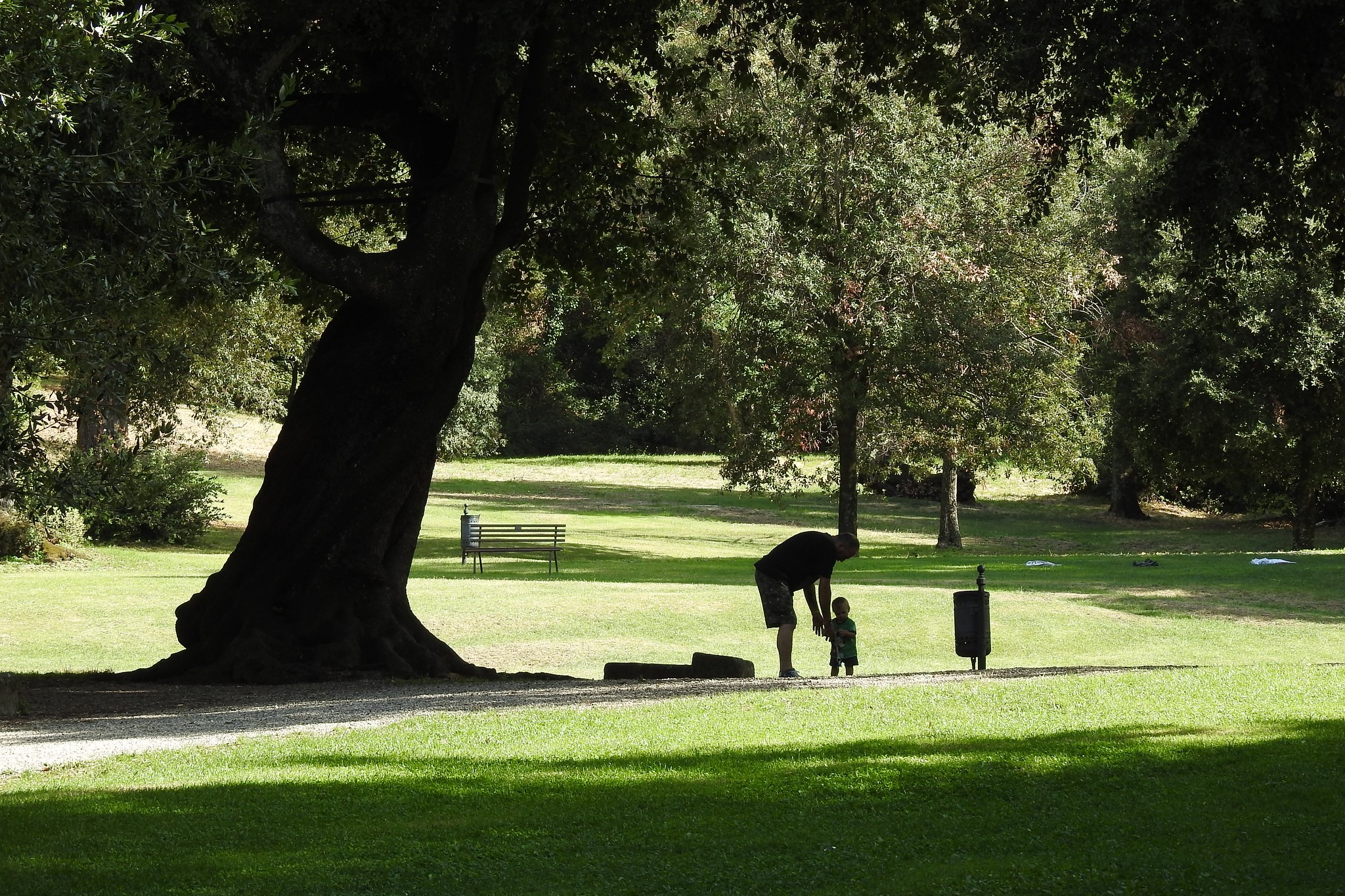
Secondly, soils help cities combat pollution, extreme weather, and rising temperatures. Urban areas concentrate traffic, industry, and waste, which can pollute soils and threaten residents’ health. Identifying, managing, and restoring contaminated soils is therefore essential. At the same time, integrating green spaces, tree pits, and green corridors filters pollutants, retains water, and mitigates floods and landslides. Healthy soils allow for more vegetation, which absorbs less heat than concrete, reduces surface temperatures, sequesters carbon, and fosters biodiversity. Preventing soil sealing and greening urban areas is a natural defence against extreme weather events and a vital tool in climate adaptation.
Thirdly, soils contribute directly to human health and well‑being. They provide the foundation for urban and peri‑urban forests, parks, gardens, and street trees. Living among trees and green spaces has measurable benefits: it lowers stress, anxiety, and depression, boosts positive emotions, and encourages physical activity. In essence, thriving soils create thriving communities.
Finally, soil health drives better city waste management. Cities generate about 70 per cent of the world’s waste, yet properly managed organic waste can enrich soils and enhance urban farming. Composting, producing biochar, or using innovative methods such as black soldier fly bioconversion returns nutrients to soils, supporting urban agriculture and creating healthier, greener urban environments.
By linking One Health principles with soil-focused urban planning under initiatives like GCI, cities can achieve multiple objectives simultaneously: sustainable food production, climate resilience, biodiversity protection, clean water, and the well-being of residents and wildlife. In other words, the health of soils, ecosystems, and people are inseparable threads in building truly sustainable and resilient urban landscapes.
FAO’s Green Cities Initiative illustrates the potential of integrated thinking. By reimagining how we manage space, produce food, and use resources, cities can become vibrant, inclusive, and resilient places that benefit both people and nature. And as this transformation shows, everything begins with one fundamental element: healthy soils.
At the celebrations today at Rome, Princess Basma Bint Ali of the Hashemite Kingdom of Jordan, FAO Goodwill Ambassador for the Near East and North Africa, emphasised that soil is the basis of life itself – a living foundation that sustains ecosystems, nourishes communities and even allows trees to communicate and thrive. Because much of its richness is hidden from sight, she noted, soils are too often overlooked, even though protecting and restoring them is a collective responsibility essential to the future of humanity and the planet.
As part of the global celebration, FAO awarded two of the world’s most prestigious international soil prizes:
- The Glinka World Soil Prize 2025 was awarded to Professor Ganlin Zhang of the Institute of Soil Science, Chinese Academy of Sciences, recognising his scientific leadership and global contributions to sustainable soil management and soil information systems.
- The King Bhumibol World Soil Day Award 2025 was presented to the French Soil Science Society for its outstanding World Soil Day campaign 2024, which engaged thousands of citizens, schools and institutions across France to raise public awareness of soil protection.
Supported respectively by the Russian Federation and the Kingdom of Thailand, these awards honour innovation, advocacy and excellence in promoting sustainable soil management worldwide.
Source: The FAO News And Media Office, Rome
– global bihari bureau