Delhi Hosts World’s First Organ Donation Film Festival
62 Films Drive Organ Donation Dialogue in Delhi
Vardaan Film Festival Brings Donation Stories to Screen
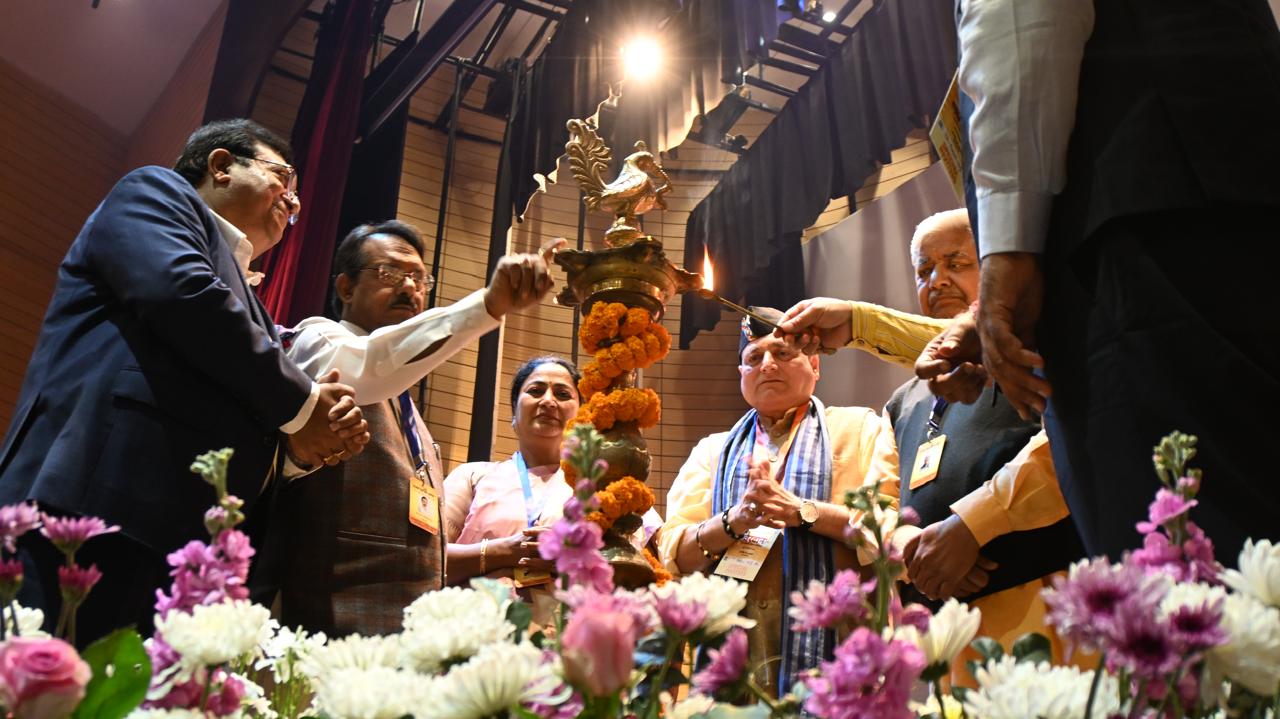
New Delhi: A quiet hush settled over the auditorium at Guru Gobind Singh Indraprastha University as the lights dimmed and the first frames of cinema dedicated to organ and body donation appeared on screen. For many in the audience, the inauguration of the world’s first film festival focused solely on this theme felt less like a ceremonial opening and more like the beginning of an intimate conversation about life, loss, and the possibility of giving even after death.
The moment marked the opening of the Vardaan International Film Festival, inaugurated in the presence of Delhi Chief Minister Rekha Gupta. The two-day event brings together cinema, public policy and social advocacy around a subject that is most often encountered in hospital corridors and family decisions, but rarely explored through the language of film.
Addressing the gathering, the Chief Minister recalled her earlier association with the Dadhichi Dehdaan Samiti, where she had served as vice president. She said her continued engagement with organ and body donation had shaped her approach to public service and described the festival as a step toward transforming social attitudes. Storytelling, she noted, could deepen compassion and encourage people to see donation as an extension of life itself.
Union Minister of State Harsh Malhotra reflected on the Samiti’s 28-year journey and urged religious and social leaders to help dispel myths and misconceptions surrounding organ donation. He said sustained dialogue within communities remained essential for building trust and acceptance around the issue.
From the ideological sphere, the Akhil Bhartiya Seh Prachar Pramukh of the Rashtriya Swayamsevak Sangh, Narendra Thakur, described the founder and patron of the Samiti, Alok Kumar, as a source of inspiration whose long commitment to the cause had reached a new milestone through the festival. He also acknowledged the role of Sampreshan Multimedia and its director, Atul Gangwar, in organising the event.
During the ceremony, Alok Kumar honoured Nilesh Mandelewala for his contribution to the organ donation movement. Mandelewala described the Vardaan International Film Festival as an important platform for spreading awareness and bringing real-life stories before wider audiences.
The presence of Padma Shri awardee actor Manoj Joshi added to the occasion’s significance. His masterclass drew students and young filmmakers interested in how cinema and performance could be used responsibly to address sensitive social themes. He spoke about the need for authenticity when portraying stories connected to loss, survival and hope.
Alongside the speeches and discussions, the heart of the festival lay in its screenings. According to official information released by the organisers and the host university, 62 selected short films from India and abroad are being screened over the two days. These films span categories including short fiction, documentaries, motivational films, advertisements and short reels, all centred on organ and body donation.
Among the titles listed on the official festival platform are short films such as Live Life Varun Size, Myths of Eye Donation and REBORN, which explore individual decisions and social perceptions surrounding donation. Documentary entries include Myths Surrounding Kidney Donation and Deh Daan Ek Amar Daan, which focus on awareness efforts and the ethical and cultural questions linked to body and organ donation. The motivational section features films based on real donor and recipient experiences, including stories involving young donors and community initiatives encouraging pledges for donation.
The inauguration also brought together voices from religion, culture and media. Those present included Mahant Varun Sharma of Marghat Wale Baba Hanuman Temple, Padma Shri classical dance duo Nalini-Kamalini, Udaan President Anupam Bhatnagar, Nitya Anubhuti Media representative Shyamendra Singh, and senior journalist and anchor Pratibimb Sharma from Sansad TV.
As the second day of the festival unfolds, screenings continue alongside panel discussions and masterclasses intended to challenge misconceptions and open dialogue through cinema. Organisers said the aim is to make the subject of organ and body donation accessible and understandable, particularly for students and young audiences encountering these questions for the first time.
By the end of the first day, conversations lingered outside the auditorium among filmmakers, volunteers and students who had just watched stories of donors and recipients unfold on screen. For many, the festival offered not only a showcase of films but a space to reflect on how narrative and image can shape understanding of one of medicine’s most sensitive and vital subjects.
– global bihari bureau