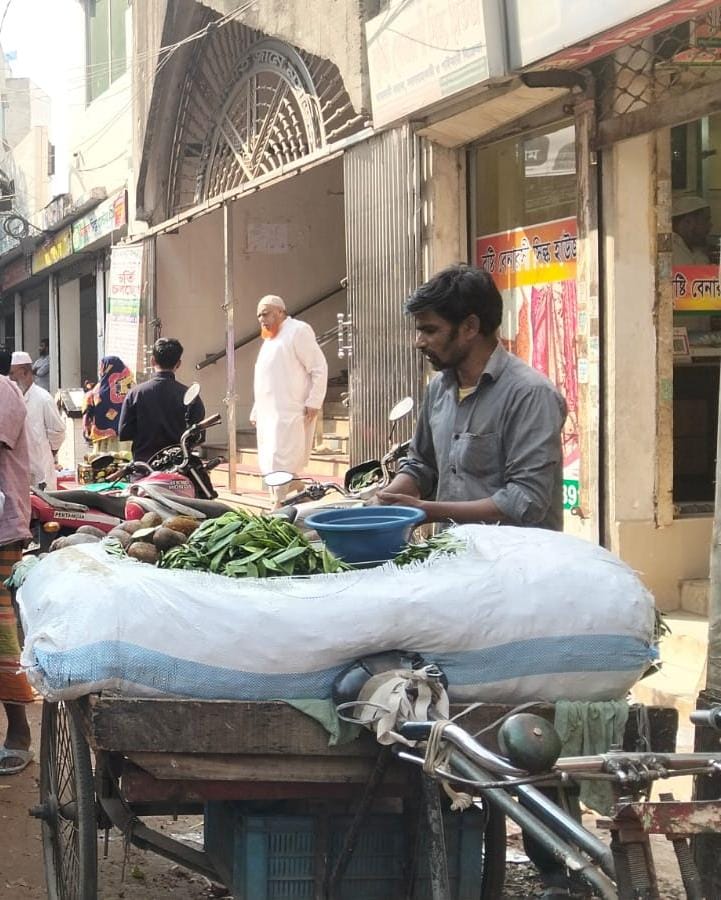
Aminul Haque (vegetables vendor): “Youth have no future here; education and skills training are a distant dream.”
 By Rahul Laxman Patil*
Bangladesh’s Bihari Muslims Still Caught in Statelessness
2026 Polls Highlight Bihari Muslim Community’s Lingering Exclusion
Dhaka: As Bangladesh conducts its Parliamentary Elections 2026, renewed attention is drawn to the plight of the Urdu-speaking Bihari Muslim minority, a historically marginalised community that continues to face statelessness, political neglect and socio-economic exclusion more than five decades after the country’s independence.
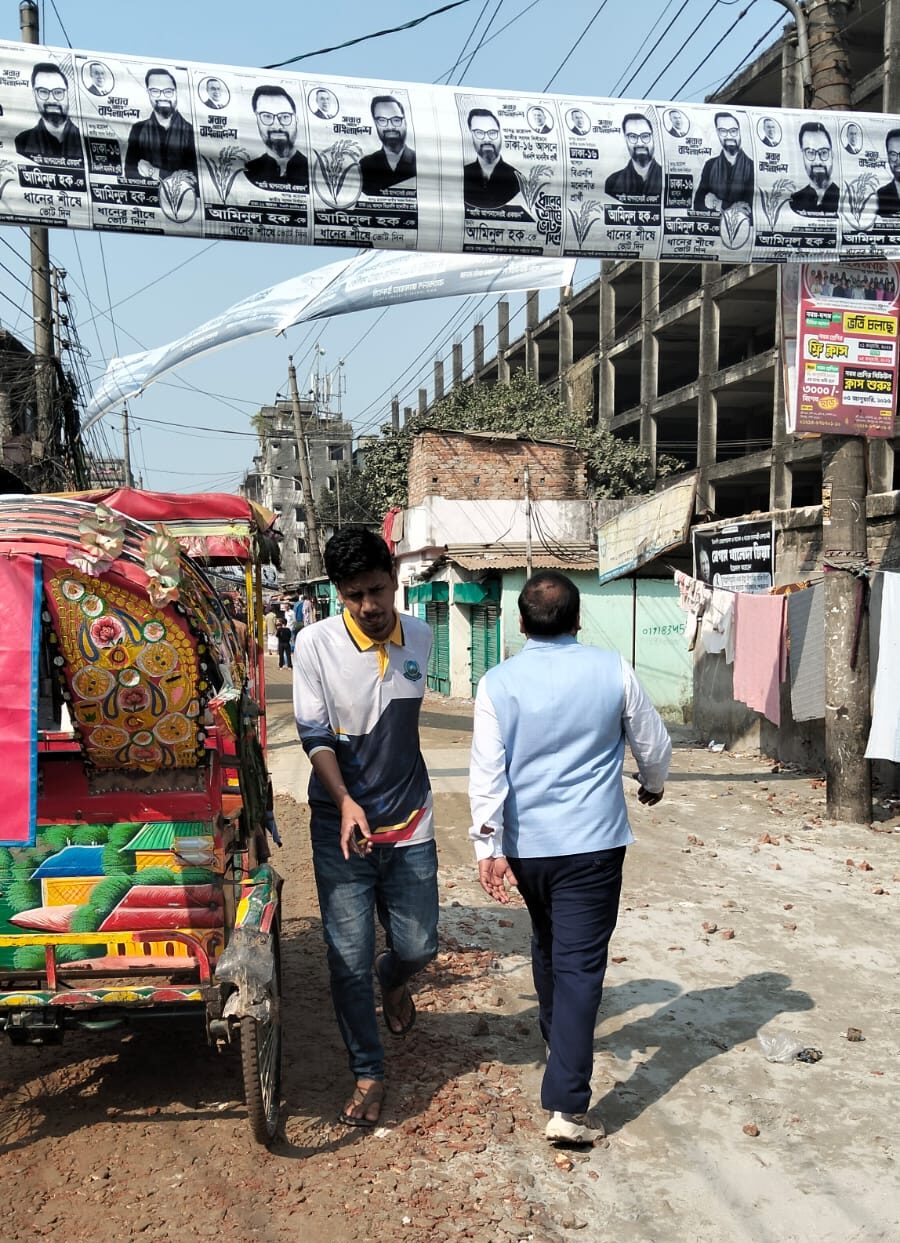
Despite being Muslim in a Muslim-majority nation, the Biharis remain outside the ambit of effective minority protection. Linguistic isolation, unresolved questions of citizenship and prolonged bureaucratic neglect have confined much of the community to overcrowded camps, particularly in Dhaka’s Geneva Camp and Mirpur areas, where access to education, healthcare, sanitation and stable employment remains severely constrained.
The origins of this marginalisation lie in the upheavals of the 1947 Partition, when Urdu-speaking Muslims from Bihar, Uttar Pradesh and parts of West Bengal migrated to East Pakistan, encouraged by the Pakistani state. The rupture deepened during the 1971 Liberation War, when sections of the Bihari population were perceived to have sided with Pakistani forces against Bengali independence. While this alignment was neither uniform nor universal, it left behind a lasting stigma that continues to shape the community’s relationship with the Bangladeshi state.
Forgotten for Decades, Bihari Muslims Seek Recognition
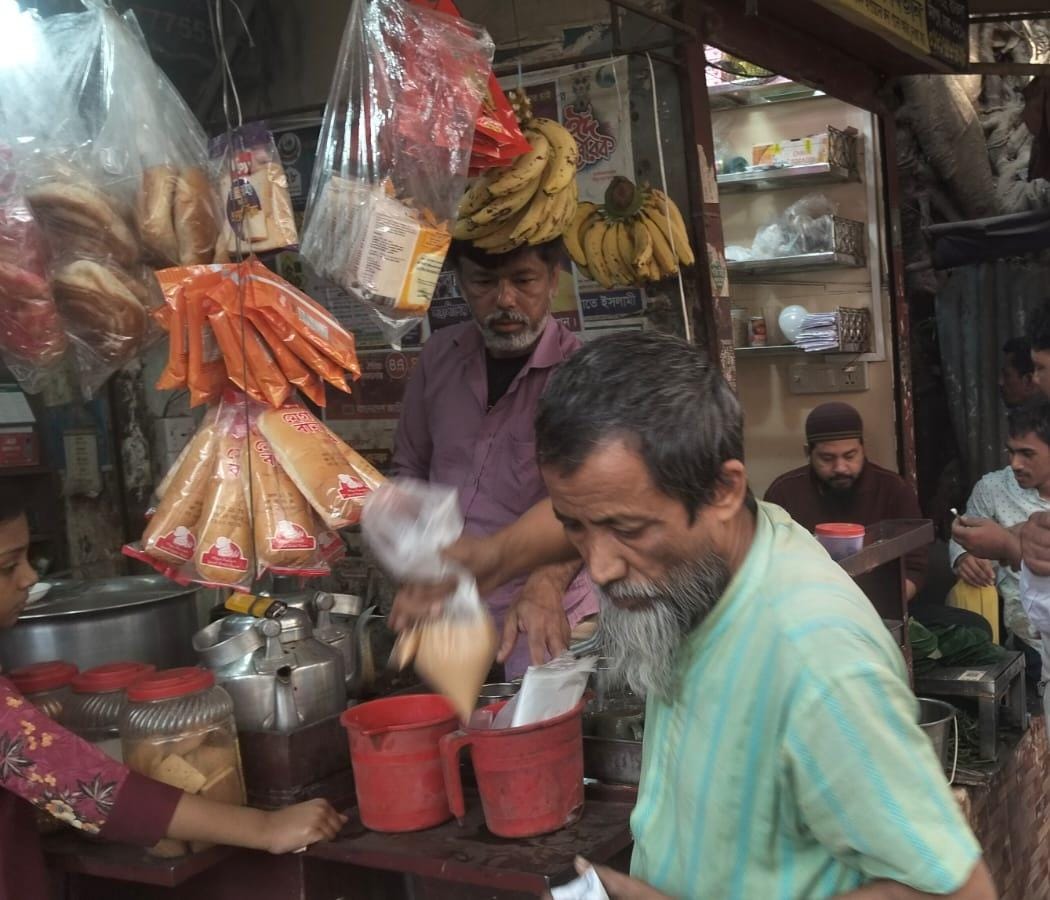
Reflecting on this historical burden, Shahid Alam, a resident of Geneva Camp, said, “Supporting forces against the Bengali liberation movement in 1971 was our biggest mistake… we were abandoned.” The sense of betrayal was compounded after independence, when Pakistan failed to resettle or meaningfully support the Biharis, leaving hundreds of thousands stranded in Bangladesh.
For decades, many Bihari Muslims were denied or delayed citizenship, reinforcing their legal invisibility and political marginalisation. The consequences of this are visible in everyday life. “Even after decades, we are not fully recognised as citizens. Our children grow up without rights,” said Razia Sultana, pointing to the intergenerational impact of statelessness.
Estimates place the Bihari Muslim population in Bangladesh at around 300,000 to 400,000, though the absence of reliable data itself reflects the depth of exclusion faced by the community. Many remain outside official records due to the lack of national identity cards, voter registration and passports. This documentation gap has particularly severe consequences for young people, whose high unemployment and limited access to education or vocational training increase vulnerability to exploitation and long-term social marginalisation, reinforcing the cycle of statelessness across generations.
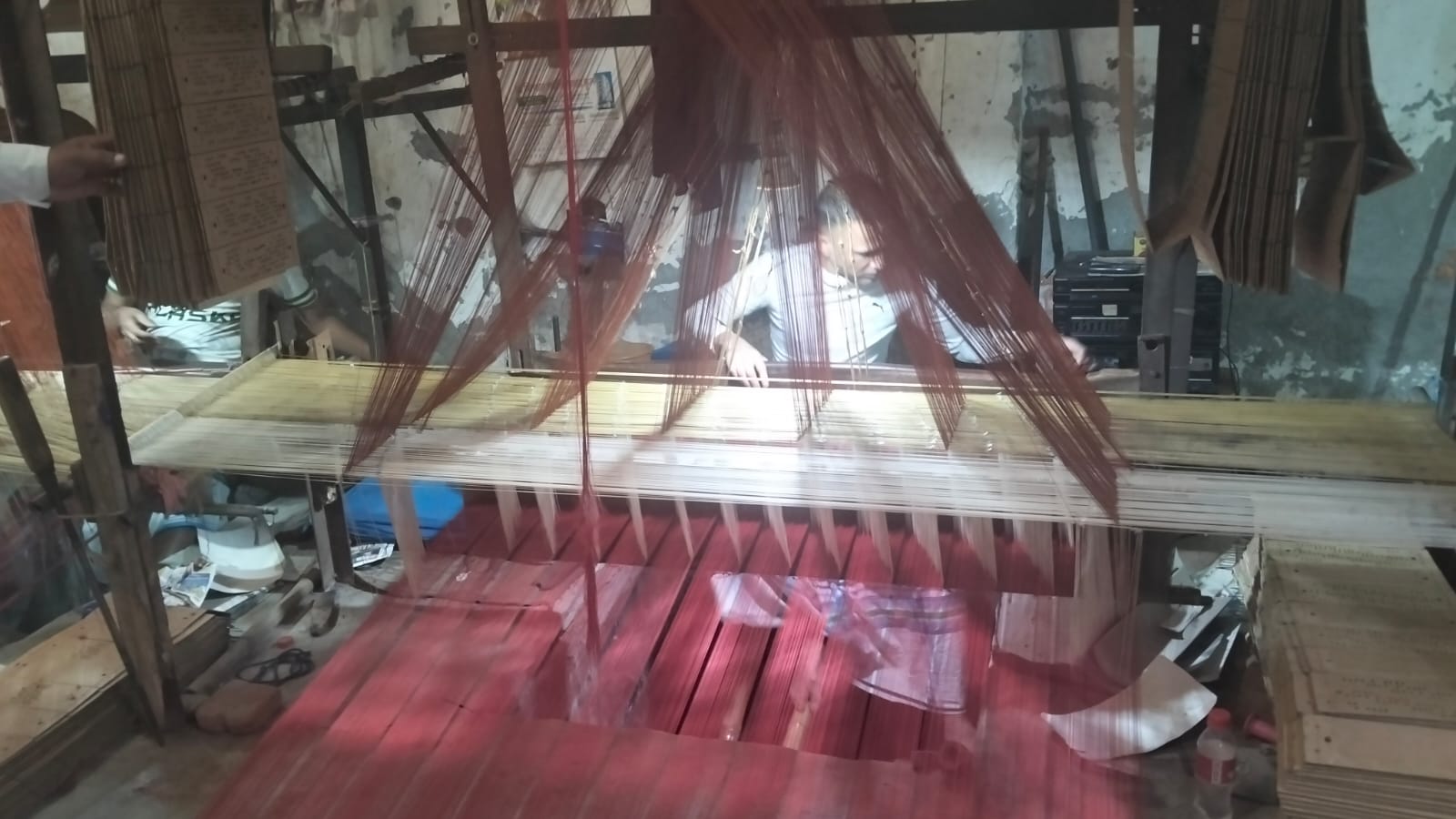
Most Bihari Muslims survive on informal and low-income work such as rickshaw pulling, running small tea stalls or casual labour in garment factories. Literacy levels remain extremely low, school completion rates are poor, and housing conditions in camps are marked by congestion and inadequate sanitation. Limited access to healthcare further restricts social mobility, entrenching poverty across generations.
These structural disadvantages have also translated into political exclusion during the 2026 elections. Field observations indicate widespread confusion among Bihari residents about polling procedures, voting locations and candidate choices. Statelessness and lack of documentation prevented some from registering as voters, while Urdu-speaking elders struggled to engage with election materials available largely in Bengali.
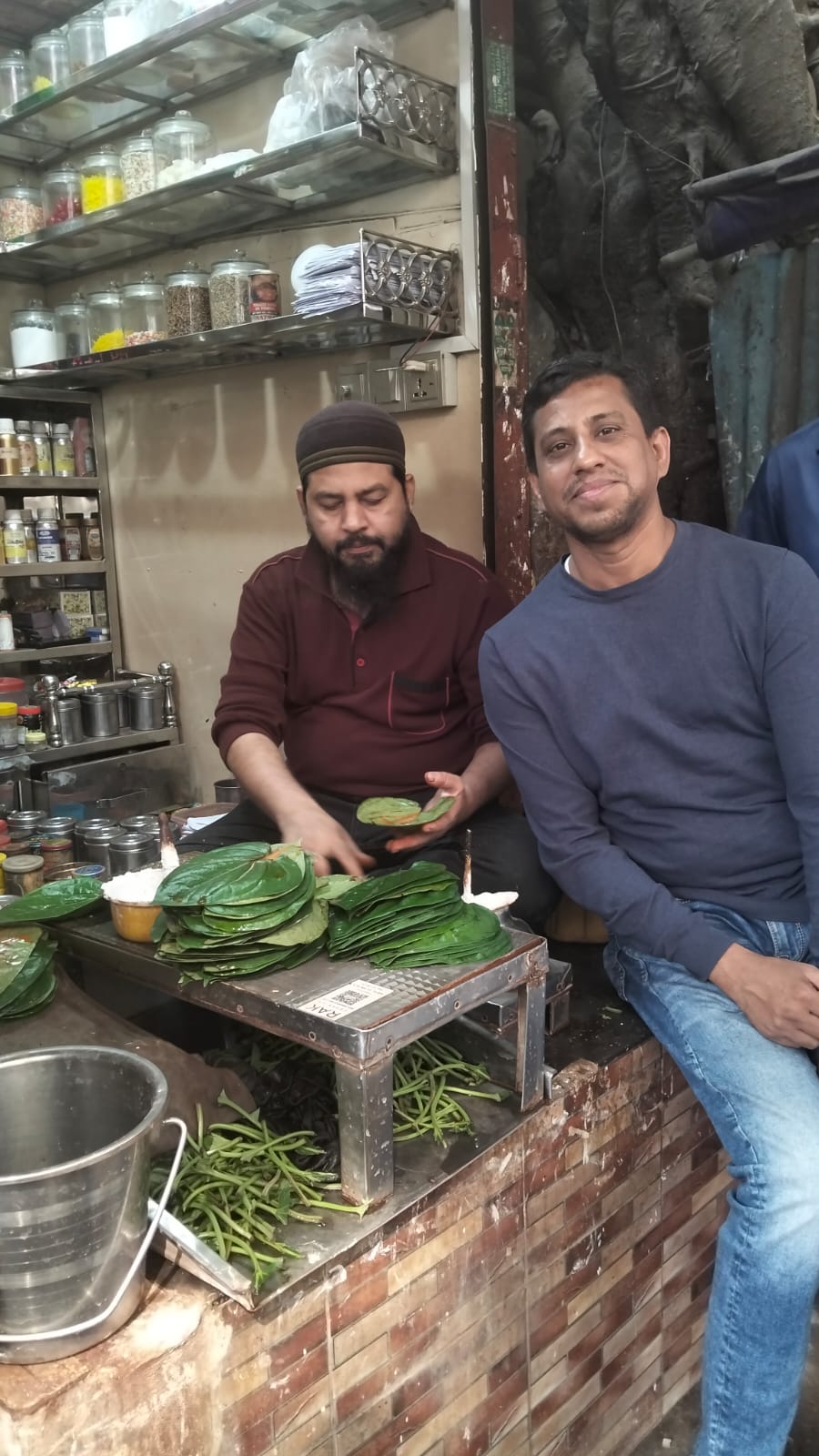
Many residents described a sense of political tokenism. “We are always used as a vote bank; nothing for our development ever happens,” said Salim Khan, capturing the community’s frustration with repeated electoral mobilisation without tangible change. Another voter, Nasreen Begum, echoed this sentiment, stating, “We came out to vote, but our lives remain unchanged.”
The Bihari predicament also underscores Pakistan’s historical responsibility. Having actively encouraged migration to East Pakistan, Pakistan failed during and after the 1971 war to ensure resettlement or sustained assistance. This abandonment entrenched statelessness and economic deprivation, leaving successive generations trapped in legal and social limbo.
Beyond Bangladesh, the situation carries wider international significance. It demonstrates how statelessness can persist decades after conflict and highlights the vulnerability of ethnic and linguistic minorities even within religious majorities. Human rights observers argue that the issue raises pressing questions of cross-border accountability, minority protection and inclusive citizenship, with responsibility resting both on Bangladesh for legal recognition and on Pakistan for historical resettlement commitments.
As the 2026 Parliamentary Elections unfold, the Urdu-speaking Bihari Muslim minority stands as a stark reminder that electoral participation alone does not ensure full citizenship. For a community long shaped by regret, neglect and exclusion, sustained political will and concrete action remain crucial to securing dignity, rights and meaningful participation in Bangladeshi society.
*Political and Strategic Analyst.