Zubeen Garg
 By Nava Thakuria*
Zubeen Garg’s Tragic Exit Sparks Grief in Assam
Guwahati: Zubeen Garg, Assam’s maestro of melody, left an indelible mark on hearts with his soul-stirring voice that defined generations. His iconic songs like Ya Ali from Gangster: A Love Story (2006), the vibrant Bihu anthems like Pake Pake and Din Jwole Raati Jwole, and soulful Assamese numbers such as Mon Jai and Suman Bormon resonated across India, blending tradition with modern flair. A versatile genius, his songs in multiple languages, mastery of musical instruments, and roles as a producer and actor in Assamese cinema made him a cultural icon, forever cherished as the heartbeat of Assam’s Bihu celebrations.

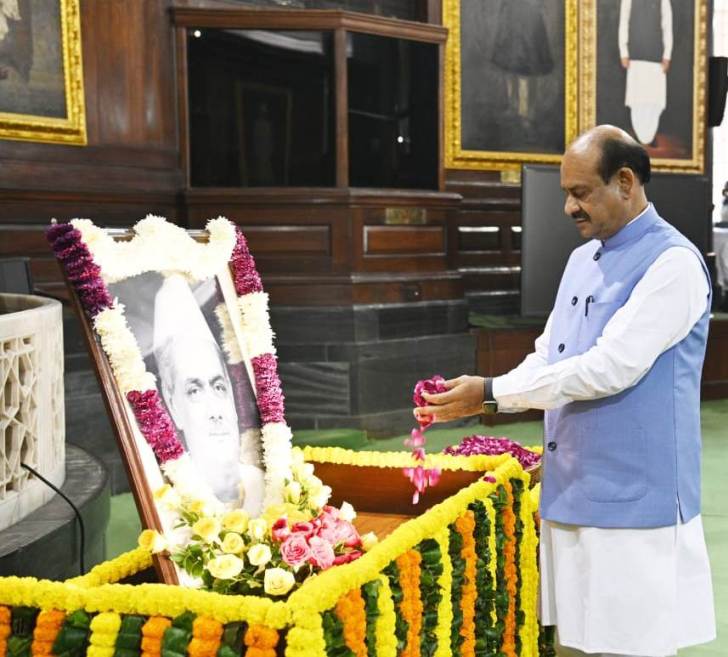
A tide of grieving souls swept through Guwahati’s streets, their tears weaving a heartfelt farewell to Zubeen, Assam’s cherished beacon of music. On September 21, 2025, his mortal remains arrived at New Delhi’s international airport from Singapore, received by Chief Minister Himanta Biswa Sarma, before being flown to Guwahati. A flower-decked ambulance carried him through throngs of mourners, from Lokpriya Gopinath Bordoloi International Airport to his Kahilipara residence in the ancient city, and later to Sarusajai stadium near Guwahati, where he lay in a glass casket for public homage. On September 23, under a scorching sun, thousands gathered at Kamarkuchi near Guwahati for his cremation with full state honours, after four days of mourning. Soft chants of “Zubeen Garg will live forever” echoed, a tender vow that his legacy would endure for Assam and Asomiyas, perhaps second only to the sorrow felt for Dr Bhupen Hazarika (8 September 1926 – 5 November 2011), the legendary Assamese singer, musician, writer, filmmaker, and extraordinary public communicator.
 For five heavy days, Assam stood frozen in grief. Marketplaces shuttered, streets lay deserted, and life-size portraits of Zubeen adorned roadside tributes as fans poured out their love and sorrow. Newspapers filled front pages with Zubeen-related developments, while news channels telecast updates round the clock, mirroring the state’s aching heart. Hundreds of thousands of admirers, from Guwahati’s international airport to his home, joined thousands from across Northeast India, turning the city into a sea of weeping, sobbing humanity, quietly exclaiming why their Zubeen Gargwas “put to die” thousands of kilometres from his motherland.
The shattering news broke from Singapore, piercing hearts across Assam. Zubeen, whose soulful voice was the pulse of every Assamese home, was gone. Young fans, born in eastern India and raised on his melodies, felt a sting of betrayal. Why was their icon, unwell for months, taken to Singapore? Social media buzzed with painful clips of Zubeen swimming in seawater—without a life-jacket—defying Guwahati doctors’ warnings to avoid fire and water bodies. Hearts sank as netizens cried foul, questioning why his tragic incident at the North East India Festival, held in the Southeast Asian nation of islands on 19, 20, and 21 September 2025, went unreported, despite a group of Asomiya people accompanying him.
Born on 18 November 1972 in Tura, Meghalaya, adjacent to western Assam, to Mohini Mohon Borthakur, a retired magistrate known by his pen-name Kapil Thakur, and Ily Borthakur, a classical singer who passed years ago, Zubeen—originally named Jiban Borthakur—carried music in his soul. With sisters Jonkey, tragically lost in a road accident while travelling to a cultural show, and Palme, a city-based professional, he carved a luminous path. Married to popular fashion designer Garima Saikia in 2002, Zubeen soared to national fame with his resounding Ya Ali in the 2006 Bollywood hit Gangster: A Love Story. An animal lover, philanthropist, and versatile genius, he sang thousands of songs in multiple languages, mastered numerous musical instruments, and became the face of Assam’s hugely popular Bihu functions in recent decades. His work as a producer and actor in Assamese movies, along with various honours, made him an irreplaceable icon.
Yet, fractured and unauthentic reports clouded his sudden passing in Singapore. Was it a mishap in paragliding, scuba diving, a yacht, or a usual sea outing? On 19 September, The Straits Times reported Zubeen’s critical condition at Singapore General Hospital after a freak sea accident. Rescued by police from the sea and rushed to the hospital, he fought for life in the intensive care unit, but despite doctors’ tireless efforts to monitor and treat him, he could not be revived. In Assam, quiet outrage simmered as police complaints piled up in various parts of the state, demanding stringent actions against those involved in the series of events leading to his tragic end.
Farewell, our prince of melody—your voice lingers in our hearts, cherished forever.
*Senior journalist