Recognising Women Farmers at the Heart of Global Food Systems
FAO Launches International Year of the Woman Farmer 2026
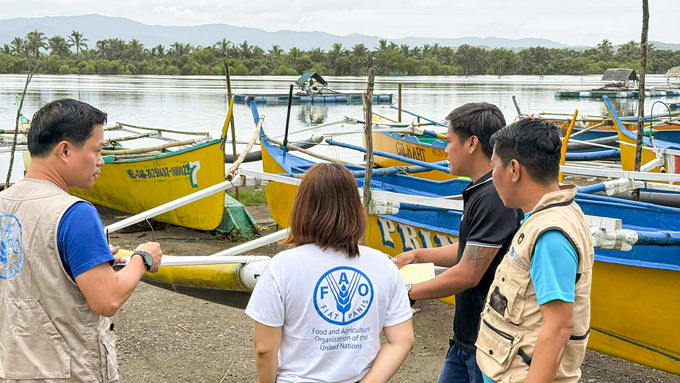
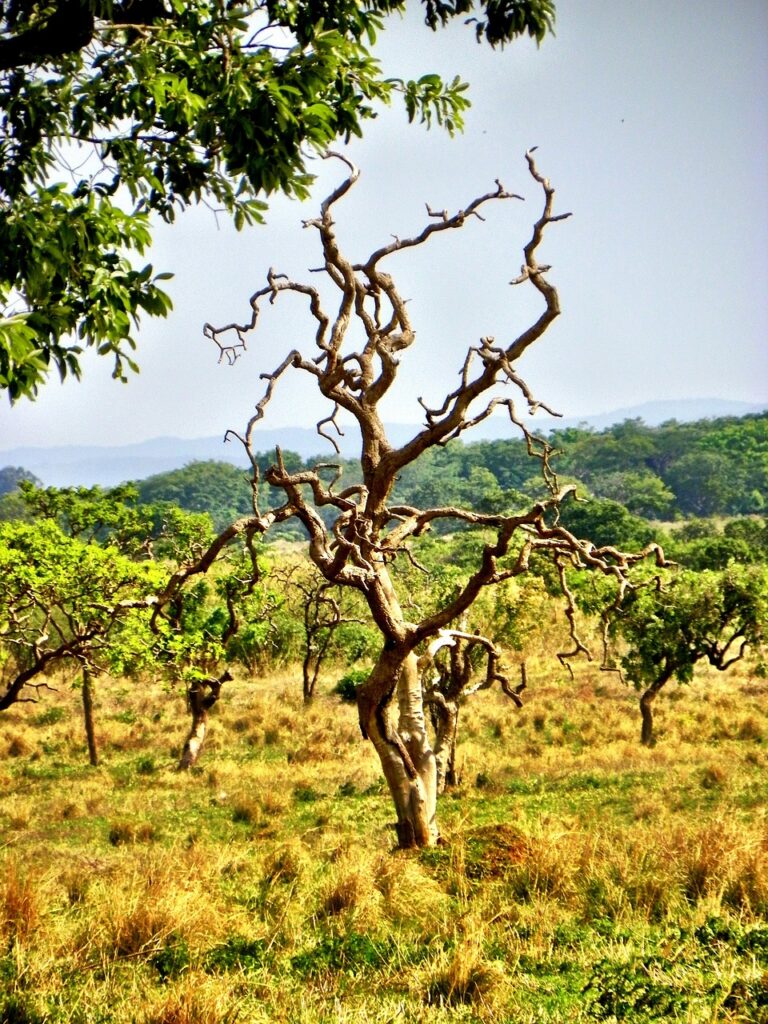
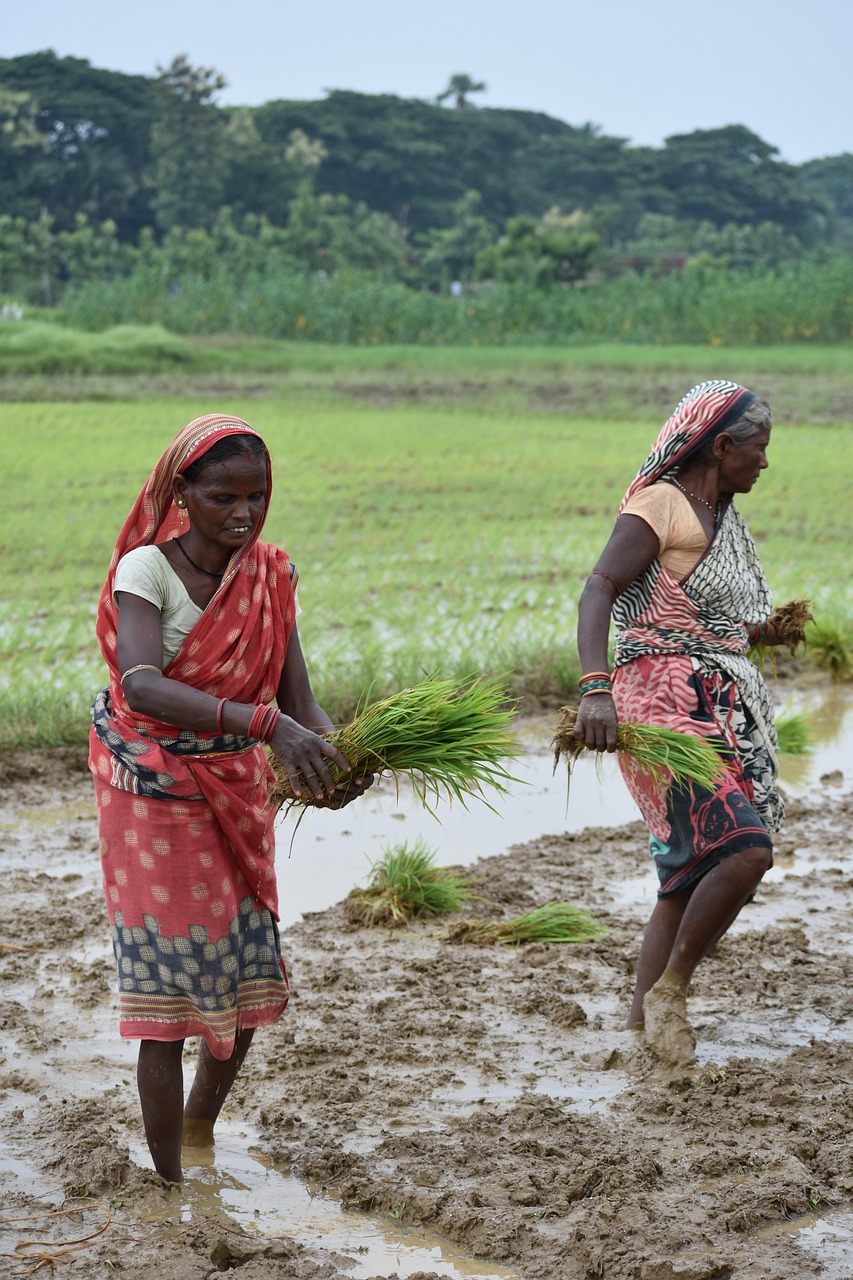
Rome: They are everywhere, though too often unseen — women pushing handcarts through dusty village markets, tending goats on drought-parched rangelands, hauling fishing nets at daybreak, transplanting paddy for long hours, or running small seed businesses from a laptop balanced between feeding children and caring for elders. They are farmers, yet many hesitate to call themselves that.
For generations, women who produce food have been described as “helping” their husbands or “supporting” the family farm rather than leading it. Today, the Food and Agriculture Organization of the United Nations (FAO) sought to rewrite that narrative, launching the International Year of the Woman Farmer 2026, a global push to finally recognise these women not as an invisible workforce but as indispensable architects of food security.
The initiative, designated by the UN General Assembly in 2024, comes at a moment when the world faces overlapping crises of hunger, inequality, climate stress and weakening rural livelihoods. Yet, despite challenges, agrifood systems remain powered as much by the hands of women as by men. In 2021 alone, women made up 40 per cent of the global agrifood workforce — nearly equal to men — performing roles across the value chain from production and processing to distribution and trade. Their contributions sustain households and communities, and in many countries, women’s income directly determines whether children attend school or whether families eat nutritious meals. Still, their work continues to be undervalued and precarious, often informal, part-time and low-paid, with little security or autonomy.
At the launch ceremony held on the sidelines of the 179th Session of the FAO Council, the tone was one of celebration but also urgency. FAO Chief Economist Maximo Torero warned that progress on women’s empowerment in agrifood systems has stalled over the past decade. “The cost of inaction is enormous,” he cautioned, pointing to evidence that closing the gender gaps between men and women in agriculture could lift global GDP by one trillion dollars and reduce food insecurity for 45 million people. He underlined that the International Year must go beyond symbolic recognition, insisting that the world must “bring policy attention to the multidimensional challenges they (women farmers) face, and promote legal reforms and policy and programmatic action that allow women to have equal land rights, equal access to finance, to technology, to extension services, to markets, and to decision-making.”
The global profile of the observance reflects the diversity of women who produce food. They are not only smallholder crop growers but also peasants, agricultural labourers, fisherwomen and fish workers, beekeepers, pastoralists, food processors, traders, rural entrepreneurs, scientists, and traditional knowledge holders. Some work with land titles; many do not. Some are young daughters preparing to inherit farms; others are widows running households alone. Some are refugees rebuilding livelihoods after displacement. Together, they form an intricate web of work, knowledge and care that sustains agrifood systems. Yet recent FAO research has shown how sharply gender inequality shapes their lives. Women’s farms tend to be smaller, and even when their plots are the same size as men’s, productivity is about 24 per cent lower due to lack of access to inputs and services. Each day of extreme heat lowers the value of crops produced by women by three per cent relative to men. A long-term temperature rise of one degree Celsius is associated with a dramatic 34 per cent drop in female-headed households’ income. Women in agrifood wage employment earn only 78 cents for every dollar earned by men, and their unpaid care work — valued at least at USD 10.8 trillion annually — remains invisible in economic statistics.
The moderation of the event, co-organised by Jordan and Ireland, carried both diplomatic weight and emotional resonance. Princess Basma bint Ali, FAO Regional Goodwill Ambassador for the Near East and North Africa, and Maria Dunne, Assistant Secretary-General at Ireland’s Department of Agriculture, Food and the Marine, reflected on the human stories behind the statistics. Delegates shared memories of grandmothers sowing seeds by moonlight, mothers doing the accounting for family farms despite never being acknowledged as owners, and women scientists who persisted in their research despite being the only female voice in a field station meeting.
Closing the launch, FAO Deputy Director-General Beth Bechdol drew sustained applause when she reminded the room that the observance must not fade once the calendar year ends. “Throughout 2026, the International Year will move from today’s sharing of personal stories and discussions to practical work — national policies, community partnerships, research, investment, and dialogue between farmers, cooperatives, governments, finance institutions, youth networks, and universities. The goal is simple: turn commitment into practice, and practice into measurable impact,” she said.
For women farmers, that impact could be transformative. FAO estimates show that reducing gender disparities in employment, education, and income could close more than half of the current food insecurity gap, which is consistently higher among women. Empowering rural women through targeted development interventions could increase incomes for 58 million more people and strengthen resilience for another 235 million — a scale large enough to alter global hunger trends.
But for many women, the benefits will be felt most intimately at home: fewer skipped meals during lean seasons; more children able to attend school; new farm choices enabled by access to finance or technology; pride not only in doing the work but in being seen for it. The International Year of the Woman Farmer 2026 is a campaign born at the global level, but its success will be measured in the daily lives of millions of women who have always been farmers — whether or not their societies called them that.
As speeches concluded in Rome, representatives lingered to greet each other, while women farmers from different regions connected over shared challenges, from land rights to climate extremes. The International Year has only just launched, yet its message has already taken root: global food systems will only be resilient when the women who sustain them are recognized, resourced and empowered — not someday, but now.
– global bihari bureau