Delayed Victory: WTO Seals Eco-Focused Subsidy Ban
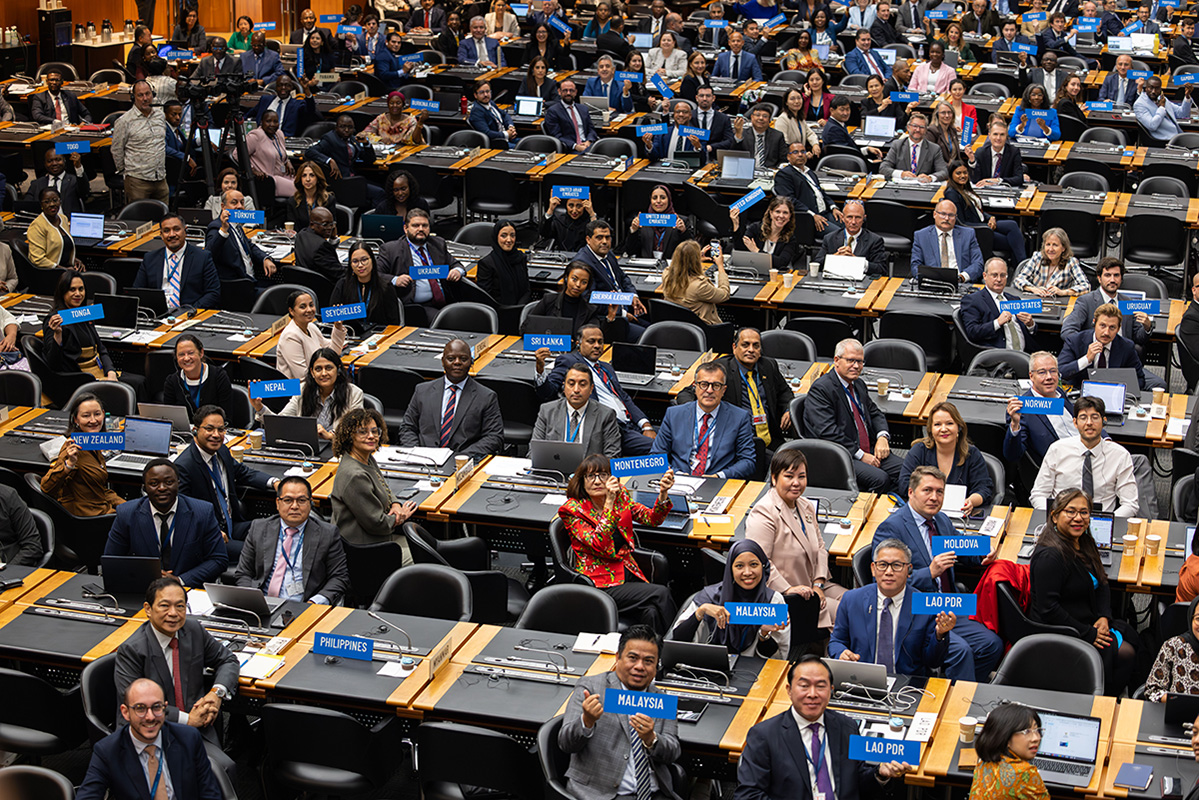
Geneva: The World Trade Organisation’s Agreement on Fisheries Subsidies entered into force today, a landmark achievement in the global fight against the depletion of marine resources, marking the WTO’s first multilateral agreement focused on environmental sustainability. The pact, which bans government subsidies that fuel illegal fishing and overexploitation of fish stocks, became effective after Brazil, Kenya, Vietnam, and Tonga deposited their instruments of acceptance, surpassing the required two-thirds of the WTO’s 164 members. This milestone, celebrated at a ceremony in Geneva, follows years of fraught negotiations and represents a significant step toward protecting global fish populations and the livelihoods of millions dependent on them. The agreement’s entry into force is widely seen as a major accomplishment for the WTO, demonstrating its capacity to broker consensus on pressing environmental issues after more than two decades of delays and setbacks, reaffirming the organisation’s relevance in an era of multilateral scepticism.
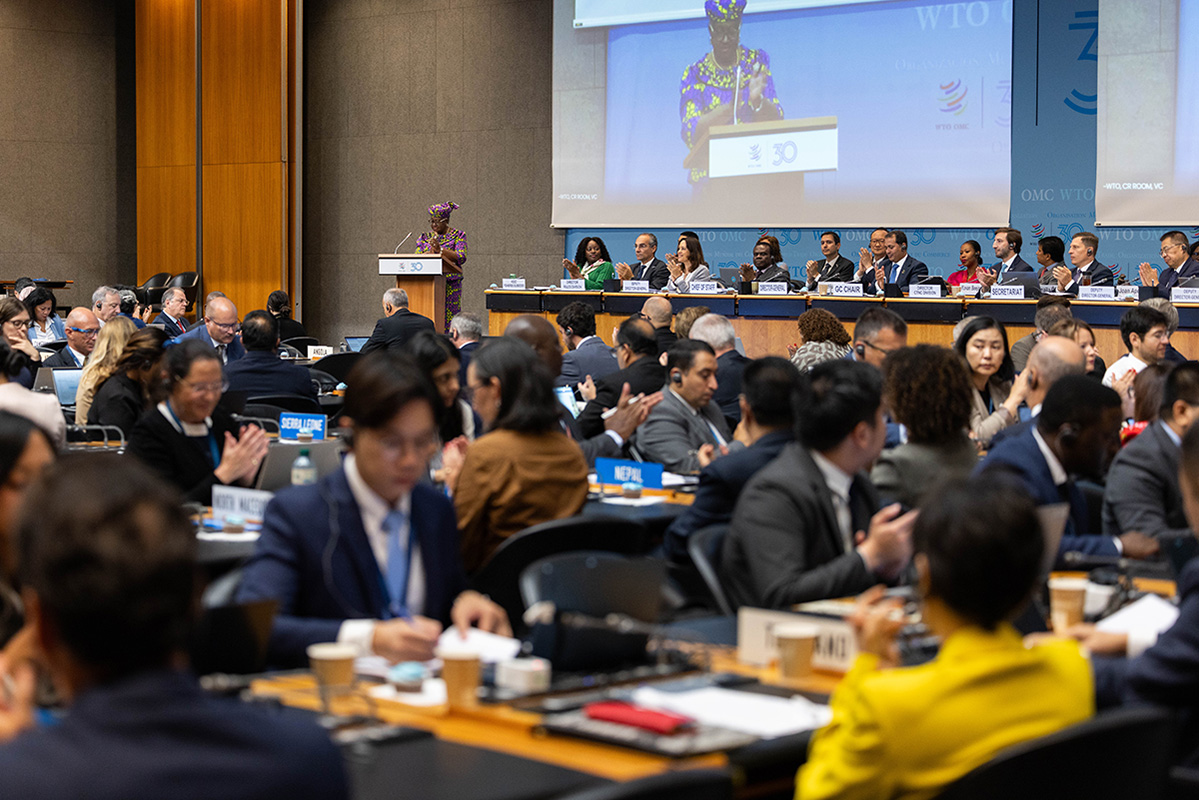
The formal activation was marked by WTO Director-General Ngozi Okonjo-Iweala signing the depositary notification, which she handed to General Council Chair Ambassador Saqer Abdullah Almoqbel of Saudi Arabia, integrating the agreement into the WTO’s legal framework. Okonjo-Iweala hailed the development as a testament to multilateral cooperation amid challenges to the global trading system. “At a time when the international trading system faces profound challenges, the Agreement on Fisheries Subsidies sends a powerful signal that WTO members can work together in a spirit of cooperation and shared responsibility to deliver solutions to global challenges,” she said. “The entry into force of this Agreement stands as a reminder that many of the biggest challenges we face are more effectively addressed at the multilateral level.”
Ambassador Almoqbel underscored the political will behind the achievement, stating, “This Agreement is a testament to our shared vision for sustainable global fisheries. Acceptance of the Protocol has demanded not just the engagement of our Ambassadors and delegates here in Geneva. It has also involved genuine political will and careful coordination in capitals.” He noted that Mali and Oman have ratified the agreement and will soon deposit their instruments.
The agreement, adopted by consensus at the WTO’s 12th Ministerial Conference in June 2022, emerged after two decades of stalled talks, with earlier failures to reach consensus at ministerial meetings, notably in Buenos Aires in 2017. Negotiations on fisheries subsidies began in 2001 under the Doha Development Agenda, but progress was repeatedly stalled due to deep divisions between developed and developing nations. Key delays included failures to reach consensus at ministerial conferences, such as the 11th Ministerial Conference (MC11) in Buenos Aires in 2017, where disagreements over special and differential treatment for developing countries and exemptions for small-scale fisheries prevented a deal. The process missed multiple deadlines, including the United Nations Sustainable Development Goal (SDG) 14.6 target to eliminate harmful subsidies by 2020. Further setbacks occurred post-adoption in 2022, with “second wave” negotiations for additional provisions on overcapacity and overfishing faltering at the 13th Ministerial Conference (MC13) in 2024, despite coming close to agreement. Countries like China cited historical subsidies by developed nations as a barrier, while developing economies such as India and Indonesia pushed for protections for their artisanal sectors.
Overcoming these hurdles to secure adoption in June 2022 and entry into force in 2025 underscores the WTO’s resilience and ability to deliver on environmental imperatives. It not only helps preserve global fish stocks—35.5 per cent of which were overfished in 2021—but also redirects an estimated USD 22 billion in annual harmful subsidies toward sustainable practices, benefiting livelihoods, food security, and marine ecosystems worldwide. In an era of multilateral scepticism, this pact reaffirms the WTO’s relevance in tackling planetary challenges through trade rules, especially as it represents only the second multilateral agreement reached since the WTO’s inception in 1995, following the Trade Facilitation Agreement in 2013.
Countries like India, Indonesia, and South Africa had opposed earlier drafts, arguing that restrictions could disproportionately affect small-scale fishers while sparing industrial fleets from wealthier nations like China, the European Union, and the US. India, in particular, sought a 25-year exemption for developing countries and broader special treatment provisions to protect coastal communities. The 2022 consensus addressed these concerns with flexibilities for developing and least-developed countries (LDCs), enabling the agreement’s adoption.
The pact prohibits subsidies for illegal, unreported, and unregulated (IUU) fishing, as determined by coastal states, flag states, or regional fisheries management organisations. It also bans support for fishing overfished stocks unless measures aim to restore sustainable levels and outlaws subsidies for fishing in unregulated high seas areas. Members must exercise caution when subsidising foreign-flagged vessels or activities involving stocks of unknown status. These measures target a crisis where 35.5 per cent of global fish stocks were overfished in 2021, up from 10 per cent in 1974, driven by an estimated USD 35 billion in annual global fishing subsidies, of which USD 22 billion are harmful and exacerbate overcapacity.
The agreement’s implications are profound. By curbing harmful subsidies, it could redirect billions toward sustainable fisheries management, aiding marine ecosystem recovery and supporting food security for over 260 million people reliant on fisheries for income and nutrition. Fish constitutes 15 per cent of global animal protein intake, exceeding 50 per cent in some Asian and African nations. The pact also tackles economic losses from IUU fishing, estimated at up to USD 50 billion annually, and promotes equity for small-scale fishers. It supports the UN’s Sustainable Development Goal 14.6, which targets ending harmful subsidies by 2020, and complements the 2023 UN Agreement on Marine Biological Diversity of Areas Beyond National Jurisdiction.
To ensure compliance, the agreement mandates enhanced transparency, requiring members to notify the WTO of subsidy details, including fishing activities, stock statuses, conservation measures, fleet capacities, vessel identities, and catch data. A Committee on Fisheries Subsidies will oversee implementation, review notifications annually, and liaise with international fisheries bodies, with a review of the agreement’s operations set within five years. Developing countries and LDCs benefit from a two-year dispute settlement grace period for subsidies within their exclusive economic zones and extended notification timelines for those with less than 0.8 per cent of global fish catch.
The WTO Fisheries Funding Mechanism, or Fish Fund, supports developing and LDC members with technical assistance and capacity building, backed by over USD 18 million in pledges from 17 members. Launched in June, the fund’s first call for project proposals, due by October 9, invites ratifying members to seek grants for implementing the agreement’s obligations. The fund collaborates with organisations like the UN Food and Agriculture Organisation, the International Fund for Agricultural Development, and the World Bank to strengthen fisheries management and align subsidy policies with sustainability goals.
WTO members at the ceremony praised the agreement as a milestone for multilateralism and sustainability, committing to its swift implementation to restore stocks, protect fishing communities, and ensure food security. Congratulatory messages came from UN Secretary-General António Guterres via UNCTAD’s Rebeca Grynspan, French President Emmanuel Macron through Ambassador Olivier Poivre d’Arvor, and leaders including Barbados Prime Minister Mia Mottley, Cabo Verde Prime Minister Ulisses Correia e Silva, Chilean President Gabriel Boric, Icelandic Prime Minister Kristrún Frostadóttir, Malaysian Prime Minister Anwar bin Ibrahim, Swiss Vice President Guy Parmelin, Fijian Deputy Prime Minister Manoa Kamikamica, and UN Special Envoy for the Ocean Peter Thomson.
Okonjo-Iweala urged remaining members to ratify promptly, aiming for universal acceptance by the 14th Ministerial Conference in March 2026. The agreement’s success offers hope for the WTO’s role in addressing environmental challenges through trade policy, despite its history of negotiation gridlock.
– global bihari bureau