One in Three: The Global Toll of Partner Violence
Twenty Years Lost: Global Data Shows Little Change
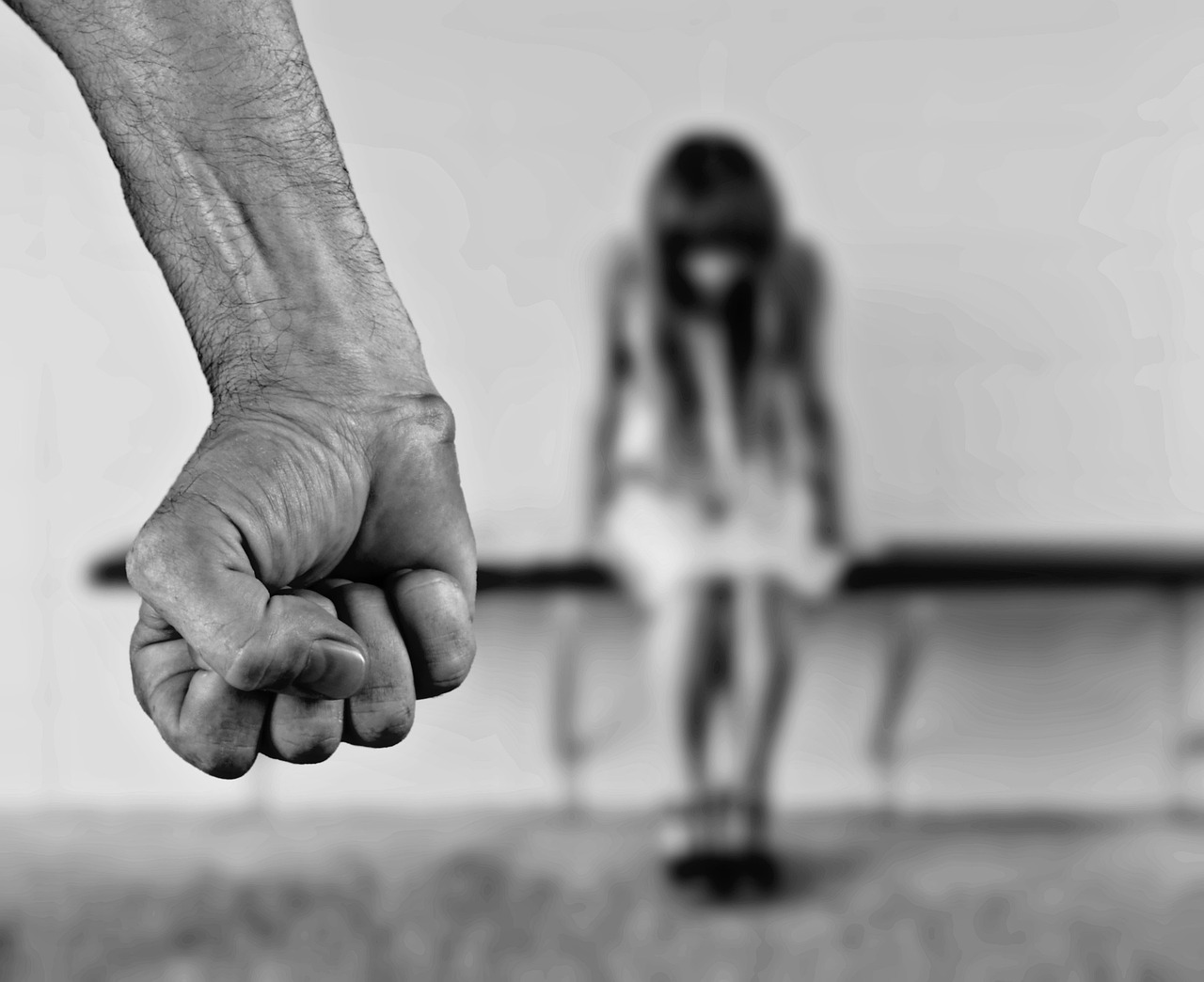
 Geneva: A new global assessment released today by the World Health Organization (WHO) and its United Nations partners shows that violence against women has remained at virtually the same level for more than two decades, despite expanded laws, louder advocacy and increasingly sophisticated data systems.
The report, Violence Against Women: Prevalence Estimates 2023, draws on national surveys and modelled data from 168 countries and confirms that an estimated 840 million women worldwide have experienced physical or sexual violence by an intimate partner, or sexual violence by someone else, at least once in their lives.
The findings show that global prevalence has fallen by only about 0.2% per year since 2000—an almost motionless trend that raises urgent questions about why decades of policy activity have produced so little measurable change. The WHO stresses that each figure represents a disruption to a woman’s safety, health or autonomy, and that the overall pattern suggests societies have not yet confronted the structural conditions that allow the violence to endure.
The report estimates that 316 million women experienced intimate partner violence in the past twelve months alone. It places the global lifetime prevalence of such violence among ever-married or ever-partnered women aged 15 to 49 at 25.8%, with 13.7% reporting exposure in the past year. Non-partner sexual violence—defined as sexual assault perpetrated by someone other than an intimate partner—has affected approximately 263 million women since age fifteen.
The WHO warns that this number is significantly understated almost everywhere, owing to stigma, fear of reprisals, legal gaps, and survey conditions that often make candid disclosure either unsafe or impossible.
Levels of violence vary sharply across regions. Oceania, excluding Australia and New Zealand, reports the highest past-year intimate partner violence prevalence at 38%. Central and Southern Asia follows with 18–19%; sub-Saharan Africa records around 17%. Europe and Northern America report 5–6%, a difference the WHO partly attributes to stronger service infrastructure and broader access to survivor-centred support, while noting that migrant and marginalised communities remain systematically underrepresented in many national surveys. These variations underscore how the environments in which women live—social, economic, political, and ecological—shape their risk and determine who can speak, who remains silent, and whose experiences data systems can reach.
The stubborn persistence of these numbers across decades suggests that the crisis is not rooted in one culture, region or income bracket, but in deeper structures of power and social organisation that remain resistant to surface-level reforms. Laws have multiplied, but enforcement has lagged. Awareness has increased, but norms and expectations continue to obscure violence or excuse it. Data systems have expanded, but gaps remain wide enough to conceal millions of experiences. What emerges from the WHO’s global picture is not only the scale of violence, but its durability—a sign of systems that reinforce it, institutions that inadequately confront it, and interventions that have yet to reach the breadth or depth required for national-level transformation.
More than two decades of research and the modelled evidence in this report point to a consistently constraining factor: women’s ability to disclose violence remains limited by the environment in which the question is asked. In many countries, interviews take place in households where extended families live together, making privacy impossible. Women may answer with a spouse or an in-law nearby. Surveyors may be rushed or inexperienced, constrained by time, cultural barriers or safety considerations. In many societies, women who speak honestly risk social isolation, retaliation, or the loss of financial support. Some may not recognise certain behaviours as violence because norms present them as routine or justified. All these factors depress disclosure rates and make the official figures a conservative representation of reality.
Even where survey systems function well, the risk environment can change rapidly. Conflict, migration, displacement or climate shocks can create sudden surges in exposure that are not immediately captured by periodic surveys. In regions affected by war or political upheaval, data collection can halt altogether. The report’s modelling methods attempt to adjust for these gaps, but uncertainty remains high in countries where surveys are old, incomplete or conducted under difficult conditions. As a result, the most vulnerable women—those in conflict zones, remote rural areas, informal settlements, or under authoritarian restrictions—are often the least represented, even though their risk is typically highest.
Nowhere is the complexity of these dynamics more visible than in South Asia, where the population scale means that even slight shifts in prevalence can affect global numbers. The full country table extracted from the WHO data shows a region marked by stark internal variation. Afghanistan sits at the highest end, with over half of women reporting lifetime exposure to intimate partner violence and nearly forty per cent reporting violence in the past year. Bangladesh follows with a lifetime exposure approaching 50%. India’s lifetime prevalence lies just above 30%, with past-year exposure at nearly one in five. Nepal’s estimates are somewhat lower, Pakistan’s slightly lower still, while Sri Lanka and Bhutan, though better positioned, nonetheless record sustained levels of violence. Maldives reports prevalence rates below the regional average but far from negligible. These national figures are shaped by differing histories, institutions, family structures, and levels of economic development, yet they converge on a shared structural foundation: gender arrangements that limit autonomy, normalise control, and constrain opportunities for seeking help.
In Afghanistan, decades of conflict and political instability have eroded institutional protections and restricted mobility for women. Survey teams often face security barriers, making data collection difficult. Women who disclose violence may do so despite personal risk. High prevalence figures, therefore, likely underrepresent the full extent of exposure. In Bangladesh, the rapid growth of urban slums, environmental pressures in coastal areas, and persistent gender norms create conditions in which violence is widespread yet difficult to report or address. Legal reforms have expanded protections, but access to justice remains uneven. Economic empowerment has created opportunities for women, yet without broader normative change, it has also triggered backlash in some contexts.
India presents a more complex landscape. Prevalence varies sharply by state, reflecting differences in education levels, economic status, social norms and institutional capacity. National surveys show significant acceptance of intimate partner violence in several regions, a sign of deeply embedded patriarchal norms. Urban women may have greater access to services, but stigma remains a barrier. In Nepal, community structures can either support survivors or discourage disclosure, depending on local norms. Pakistan’s lower reported figures raise concerns about underreporting, given extended-family living arrangements and strong social stigma surrounding marital conflict. Sri Lanka’s lower prevalence correlates with stronger health and education systems, yet pockets of high vulnerability exist in conflict-affected and economically stressed communities. Bhutan and the Maldives show that even in countries with higher social indicators, violence persists unless norms shift and services function effectively.
Investigating these patterns further reveals that institutions across the region struggle to meet the scale of need. Police may lack training in survivor-centred procedures and may prioritise reconciliation over protection. Courts can be slow, inaccessible or unspecialized. Shelters are often limited in number and capacity, concentrated in urban centres, and underfunded. Health systems may not offer confidential spaces or trained personnel. Even when survivors manage to access services, they must navigate fragmented systems that require them to repeat their experiences to multiple officials, increasing trauma and the likelihood of dropout. In rural areas, distance and transportation costs discourage help-seeking. In urban informal settlements, overcrowding and social pressure limit privacy. These systemic weaknesses reflect not a lack of understanding of what needs to be done, but inadequate political will and insufficient investment.
The WHO report’s dataset highlights a key demographic finding: rates of intimate partner violence are particularly high among younger women in many regions. Adolescents aged fifteen to nineteen report significant exposure, indicating that violence often begins early in intimate relationships. Early exposure has long-term effects on mental health, reproductive health and educational outcomes, shaping life trajectories. Children who grow up witnessing violence frequently internalise patterns of domination and submission, which contribute to intergenerational cycles. Addressing violence among adolescents and young couples is therefore essential for long-term prevention but remains an underdeveloped area of policy in much of the world.
The question of funding remains central to the investigative picture. Despite growing evidence base on effective prevention strategies, global development assistance for reducing violence against women is minuscule—just 0.2% in recent years—and shrinking. Domestic budgets in many countries are similarly inadequate. Prevention requires coordinated, multi-year investments across sectors: education, health, justice, social services and community engagement. Yet most programmes operate as short-term, donor-funded pilots. When funding cycles end, initiatives often disappear, leaving no sustainable infrastructure for long-term impact. Countries that have made progress—through costed national action plans, integrated service models, or community-level norm-change initiatives—are those that have maintained political commitment and domestic financing even when donor priorities shifted.
Climate-related disasters add another dimension. In flood-affected parts of Pakistan’s Sindh province, women describe sleeping lightly or staying awake because temporary shelters have no internal locks or secure partitions. In Nepal, earthquakes have pushed families into overcrowded living arrangements where privacy is limited and stress levels are high. In Bangladesh’s coastal regions, repeated cyclones force recurring displacement, and women in shelters face heightened risks due to poor infrastructure and lack of lighting. These are not isolated incidents but consistent patterns that emerge wherever families are uprooted and basic protections collapse. Climate change is therefore not only an environmental crisis but a gendered risk multiplier.
Conflict reinforces similar vulnerabilities. In Afghanistan, where political conditions have sharply restricted women’s rights, data collection has become more difficult, but evidence gathered over the years shows consistent patterns of high exposure. In Myanmar’s conflict-affected regions, surveys show elevated rates of both intimate partner and non-partner violence. In displacement camps, women often lack safe access to sanitation facilities or secure sleeping spaces. The interplay of conflict and displacement creates environments where violence is both more likely and less reportable.
A critical investigative thread in the WHO dataset concerns the groups that mainstream surveys routinely miss. Women over forty-nine, whose experiences are either different or ongoing, are largely invisible in the data. Women with disabilities, who may face coercion from caregivers or partners, remain underrepresented. Migrant women—particularly domestic workers, refugees, and those without legal status—are at high risk yet rarely captured by household-based surveys. Indigenous women in several regions lack representation due to remoteness or historical distrust of state-run surveys. These gaps mean that the global figures understate not only the magnitude but the inequalities within the crisis.
The consequences of violence extend far beyond immediate harm. Women who experience intimate partner violence are at higher risk of depression, anxiety, chronic illness, unintended pregnancy, and sexually transmitted infections. Violence during pregnancy increases the likelihood of miscarriage and adverse neonatal outcomes. Economically, violence limits women’s participation in the labour force, increases absenteeism, and reduces productivity. Children who witness violence may suffer cognitive and emotional effects that persist into adulthood. These intergenerational impacts create cycles of inequality that burden families, communities and national economies.
Even in countries with strong laws, institutional inefficiencies undermine accountability. Pursuing justice often requires navigating complex, slow-moving systems. Survivors may be required to provide multiple statements, submit to repeated medical examinations, or appear in court without legal support. Police attitudes may discourage reporting. Courts may emphasise family harmony over individual safety. Protection orders, where available, may be difficult to obtain or enforce. In many countries, laws promise protection, but systems deliver little of it in practice.
Despite the grim persistence of violence, there are examples of progress. In parts of Nepal, community engagement programmes have reduced acceptance of violence among men and improved women’s ability to seek help. India has expanded helpline networks and specialised police units. Bangladesh has piloted economic initiatives linked to community norm-change efforts. Sri Lanka has strengthened health-sector protocols for identifying and assisting survivors. These examples demonstrate that change is possible when multiple systems—legal, health, social and economic—move in alignment. But they also underline the gap between localised success and national transformation.
At the global level, the stability of prevalence despite decades of policy commitments challenges the assumption that awareness alone leads to a reduction. The report’s findings indicate that societies have not yet made the structural transformations required to significantly reduce violence. Gender inequality remains deeply embedded; economic pressures exacerbate stress; conflict and displacement increase vulnerability; climate shocks disrupt social protections; and institutional weaknesses persist.
The WHO’s new estimates arrive at a moment when the gap between international commitments and concrete national investments is widening. Donor funding for prevention programmes is falling even as humanitarian needs rise. The report notes that global development assistance for preventing violence against women was just 0.2% in 2022 and has fallen further by 2025. Governments often rely on external funding to supplement domestic budgets, but as international support contracts, national systems struggle to maintain existing programmes. This funding shrinkage has consequences for everything from frontline shelters to long-term norm-change initiatives. Prevention is most effective when sustained for years, but many programmes are short-lived, ending when grants expire. The result is a cycle of pilot projects with little continuity, hindering the possibility of population-level change.
At the same time, digital shifts are creating new complexities. Online harassment, non-consensual image sharing, cyberstalking, and digitally facilitated abuse blur the boundaries between physical and virtual spaces. While the WHO report focuses on physical and sexual violence, experts note that digital abuse often coexists with offline violence, reinforcing control and surveillance in intimate relationships. Legal frameworks in many countries have not kept pace with technological changes, leaving survivors with limited recourse. Social media platforms struggle to moderate content in ways that reflect local contexts, and women who speak publicly about violence often face orchestrated backlash. These emerging forms of harm contribute to a wider environment in which women’s autonomy and safety are contested across multiple domains.
Parallel to these digital dynamics, humanitarian crises are stretching institutional capacities. Conflict, political instability, economic downturns, pandemics and climate-related disasters intersect to produce environments where violence intensifies and support systems weaken. In Syria, Yemen and parts of the Sahel, humanitarian agencies report an increase in intimate partner violence during displacement. In refugee camps, limited infrastructure, overcrowded facilities and the absence of secure spaces heighten risk. In Latin America, violence has escalated alongside economic pressures and migration flows, particularly among women in transit. These contexts highlight how violence is shaped by macro-level forces that extend beyond domestic or community settings.
The WHO report emphasises the extraordinary consistency of prevalence across time. This stability indicates that the drivers of violence—gender inequality, economic dependence, social norms, and weak institutional accountability—are entrenched in ways that resist incremental change. Laws alone do not shift norms. Services alone do not alter expectations. Awareness campaigns alone cannot counter systemic inequalities. Progress occurs when multiple layers of society move in sync: when women have economic autonomy, when men see equality as a value rather than a threat, when services operate effectively, when legal systems protect rather than punish, and when political leadership prioritises the issue beyond symbolic statements.
The analysis of global, regional and national estimates offers insight into which combinations of factors produce measurable results. Cambodia is one of the few countries cited for progress, linked to political commitment, legislative reform, shelter upgrades, digital initiatives and investments in adolescent-focused prevention. Other countries—Ecuador, Liberia, Trinidad and Tobago and Uganda—are developing costed action plans and domestic financing, signalling policy momentum even amid shrinking foreign aid. These examples suggest that when governments invest resources, enforce laws and coordinate across sectors, change becomes possible. However, these efforts remain the exception, not the norm.
One of the most striking insights from the report is how earlier life experiences shape adult risk. Childhood exposure to violence—either witnessing violence at home or experiencing it directly—increases the likelihood of becoming a survivor or perpetrator as an adult. This intergenerational pattern underscores the importance of focusing on children and adolescents. Interventions that prevent violence in childhood, teach healthy relationship skills, and challenge rigid gender norms during adolescence have shown strong results. But these programmes require sustained implementation in schools, community centres, and digital platforms to achieve broad impact.
Investigating the weakness in institutional responses reveals a more systemic pattern. Health systems often represent survivors’ first point of contact, but many countries lack protocols that ensure confidentiality, safety screening or trained personnel. Healthcare providers may not ask about violence, either because they are uncomfortable, believe it is outside their mandate, or lack the time and privacy to do so. In some cases, health workers may inadvertently reinforce stigma or invalidate survivors’ experiences. Strengthening health-sector responses requires training, dedicated spaces, and integrated referral systems so that survivors can access legal and social services without navigating fragmented bureaucracies.
Police and judicial systems present another layer of challenges. In many jurisdictions, police may treat domestic violence as a private matter rather than a crime. Survivors who report violence may encounter disbelief, victim-blaming or pressure to reconcile. Even when cases proceed, legal processes can be long and retraumatizing. Protection orders may be difficult to obtain or enforce. Courts may lack gender-responsive procedures or specialised units. These institutional obstacles discourage survivors from seeking justice and reinforce a culture of impunity.
Social services, including shelters, counselling centres and crisis hotlines, are often understaffed and underfunded. In rural and remote areas, services may be absent. Women without financial means, mobility or family support face significant barriers. Shelters may offer short-term refuge but lack long-term rehabilitation programmes that enable survivors to rebuild their lives. Economic dependence on abusive partners remains one of the strongest predictors of continued exposure, highlighting the need for economic empowerment strategies that support long-term independence.
The report’s modelling approach reflects the difficulties of comparing data across countries. Surveys differ in methodology, definitions, age groups and cultural contexts. Some countries have multiple surveys spanning decades; others have few or none. The model attempts to harmonise this information, but estimates carry varying degrees of uncertainty. Countries with regular, high-quality surveys provide more reliable data; those with sporadic or low-quality surveys produce wider uncertainty intervals. This complexity underscores the need for better investment in national data systems. Without high-quality, regular surveys, governments cannot track trends, allocate resources or evaluate interventions effectively.
The regional comparison in the WHO report highlights the importance of understanding violence not only in terms of prevalence but also in relation to socioeconomic, political and cultural contexts. Sub-Saharan Africa’s relatively high prevalence reflects intersecting factors such as economic stress, conflict, traditional norms and limited institutional capacity. Latin America and the Caribbean show lower reported prevalence but face high levels of non-lethal physical and psychological violence. Europe and Northern America record the lowest rates, yet face challenges related to underreporting among marginalised populations, including migrants, refugees and undocumented workers.
In the Middle East and North Africa, the prevalence figures mask deep inequalities related to family law systems, conflict exposure and political constraints on civil society. In some countries, women lack legal protection from marital rape or require permission from male guardians to seek services, limiting disclosure and access to justice. These structural barriers influence reporting and help-seeking, affecting prevalence estimates.
Asia presents a particularly diverse landscape. East and Southeast Asia record lower prevalence compared with South Asia, but economic pressures, rapid urbanisation and migration create new vulnerabilities. In China and Vietnam, internal migrant women working in factories or domestic work face heightened risks. In the Philippines, women employed overseas may be exposed to exploitation by employers or traffickers. These complexities demonstrate that prevalence figures do not capture the full spectrum of risks women face across the region.
South Asia’s figures stand out because of the region’s population size and the deeply rooted social norms that shape gender relations. Arranged marriages, dowry expectations, caste hierarchies, and extended-family structures affect women’s autonomy and exposure to violence. Early marriage remains prevalent in parts of the region, increasing the risk. In some areas, women’s mobility is restricted, limiting access to services and support networks. For many women, marriage is not only a personal decision but a social contract tied to family honour, economic exchange and community expectations. These dynamics create environments in which violence may be tolerated or concealed.
The structural roots of violence can be traced to gender inequality across multiple dimensions: educational disparities, economic dependence, restricted reproductive rights, limited political representation and norms that prioritise male authority. Changing these conditions requires long-term, coordinated efforts. Countries that have made progress often combine legislative reform with community-based prevention, economic empowerment and investments in services. Yet these interventions must be scaled nationally to produce measurable declines in prevalence—and this scaling requires political commitment that is frequently absent.
Political will emerges as a recurring theme. Leaders may express rhetorical support for ending violence against women, but allocating budgets, strengthening institutions and enforcing laws requires sustained commitment. In some countries, political instability, corruption or competing priorities hinder progress. In others, restrictive laws or conservative social movements resist gender equality initiatives. The WHO report stresses that without leadership at the highest levels, national-level change remains unlikely.
The overarching message of the WHO assessment is that violence against women is not inevitable. It is preventable with the right combination of policies, resources and social change. But preventing it requires confronting deep-rooted inequalities and investing in systems that support survivors and hold perpetrators accountable. The report calls for scaling up evidence-based prevention programmes, strengthening survivor-centred services, investing in data systems and enforcing laws. These recommendations align with decades of research and the lived experiences of survivors worldwide.
To understand what meaningful change might look like, it helps to examine communities where interventions have prompted shifts in norms. In certain districts of Nepal, community groups have facilitated dialogues that challenge notions of male authority and emphasise equality in household decision-making. In India, self-help groups have enabled women to build financial independence, which in turn reduces tolerance for violence. In Bangladesh, programmes that combine economic empowerment with community norm-change have shown reductions in violence. These examples demonstrate that when women gain economic and social power and when communities engage in collective reflection, norms can shift.
However, these local successes cannot substitute for nationwide transformation. Scaling requires state involvement, multi-year funding, institutional coordination and political leadership. Without these, promising local efforts remain isolated and fragile. The report’s evidence suggests that national-level declines in prevalence occur only when interventions reach millions of people and operate across legal, health, educational and social systems simultaneously.
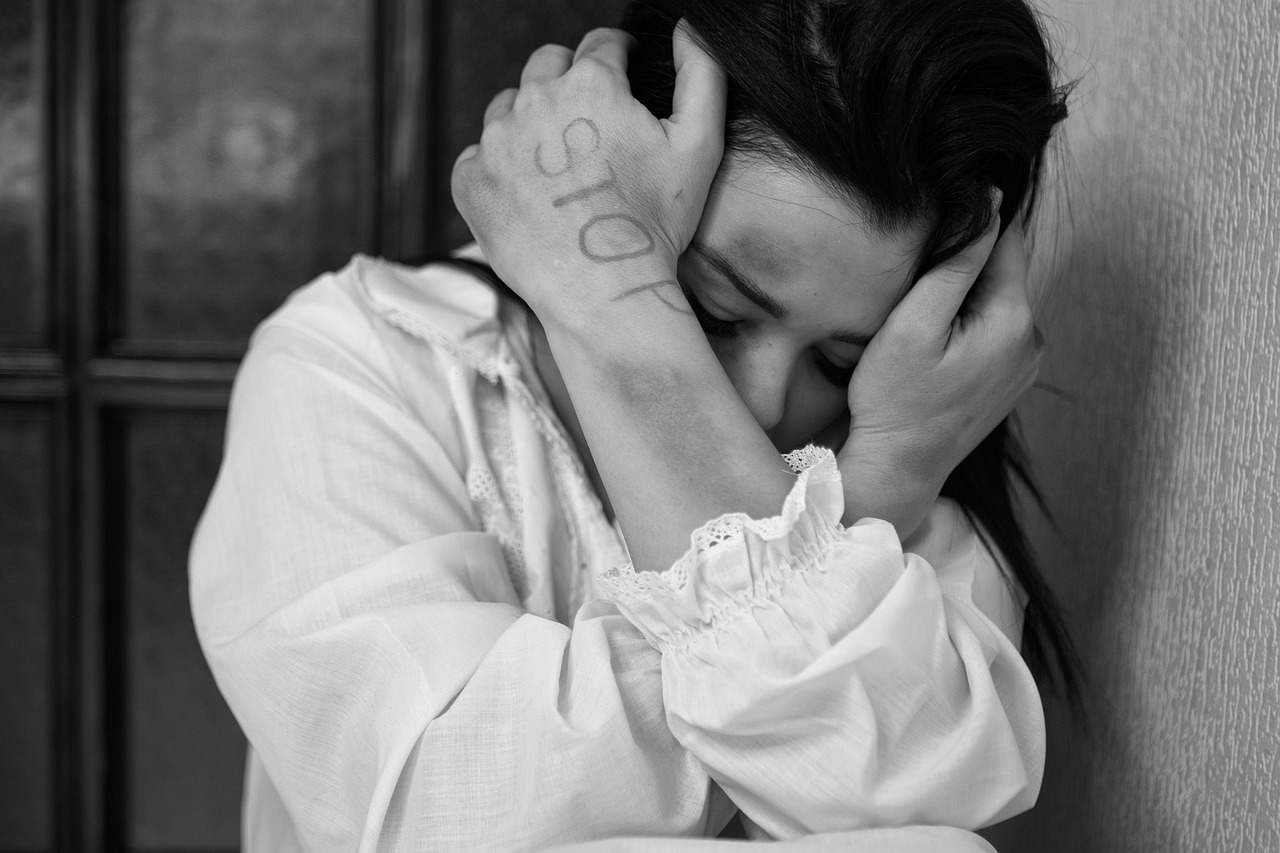
The WHO’s messaging at the Geneva launch emphasised the human dimension of the crisis. WHO Director-General Dr Tedros Adhanom Ghebreyesus stressed that violence against women is not just a public health issue but a human rights issue rooted in inequality. Leaders from UN Women, UNFPA and UNICEF echoed that violence shapes women’s lives from adolescence onward, and that many children grow up in environments where violence is normalised. This normalisation makes prevention more challenging, as both men and women may internalise harmful norms. Changing these norms requires sustained community engagement, education and media campaigns that challenge stereotypes and promote equality.
The report also highlights the importance of including marginalised groups in prevention and response efforts. Indigenous women, women with disabilities, migrant women, older women and women in humanitarian settings face unique vulnerabilities that require tailored interventions. For instance, women with disabilities may rely on caregivers who are also perpetrators, making disclosure and help-seeking difficult. Migrant women may fear deportation or loss of income. Older women may not be reached by surveys or services focused on reproductive-age women. Addressing the needs of these groups requires targeted approaches and improved data collection.
The intergenerational impact of violence is another critical aspect. Children who witness violence may experience trauma that affects their development and increases their likelihood of experiencing or perpetrating violence as adults. Breaking this cycle requires early intervention through schools, healthcare systems and community programmes. Teaching children and adolescents about healthy relationships, conflict resolution, and gender equality can help prevent violence in the long term.
Despite the gravity of the crisis, the WHO report offers a roadmap for change. The report’s updated RESPECT Women framework offers a structured approach based on decades of evidence. Strengthening relationships, empowering women and girls, ensuring access to services, reducing poverty, creating safer environments, preventing childhood abuse, and transforming gender norms are all proven strategies. But the report makes clear that implementing these interventions in isolation or at a limited scale cannot shift national prevalence. Only when interventions reach millions of people, operate across institutions, and persist for years do measurable changes occur. The RESPECT Women framework outlines evidence-based strategies for preventing violence, including relationship skills training, empowerment of women and girls, access to services, poverty reduction, creation of safe environments, prevention of child abuse and transformation of gender norms. These strategies have shown effectiveness in various contexts, but scaling them requires political commitment and resources.
The Geneva launch served as a reminder that global commitments must translate into national action. International agencies can provide guidance, funding and technical support, but governments hold the primary responsibility for protecting women and ensuring justice. Without national-level investment, the global picture will remain unchanged.
The stagnation of prevalence since 2000 raises fundamental questions about the adequacy of existing approaches. Are interventions too small-scale? Are laws insufficiently enforced? Are norms too deeply embedded to change without broader societal transformation? The evidence suggests that while progress is possible, it requires coordinated action across sectors and sustained investment over time. Quick fixes and short-term projects cannot address the underlying drivers of violence.
Looking ahead, the WHO report calls for stronger accountability mechanisms to ensure governments meet their commitments. Data systems must improve, with regular, high-quality surveys that capture diverse populations. Legal frameworks must be enforced, and institutions strengthened. Prevention programmes must scale to reach national populations. Community engagement must be sustained to challenge harmful norms. Only when these components converge can prevalence begin to decline meaningfully.
The findings are a stark reminder that violence against women is not merely a statistic but an everyday reality for millions. The global community has the knowledge and tools to address it. What remains is the political will to implement them at scale. As the world marks the International Day for the Elimination of Violence against Women, the WHO’s assessment underscores the need for urgent, coordinated action. Without it, the next two decades may look much like the last—marked by declarations of commitment, scattered pockets of progress, and a global prevalence curve that refuses to move.
– global bihari bureau