Cold, Hunger and Fear Shape Daily Life for Gaza Women as They Fight to Keep Families Alive
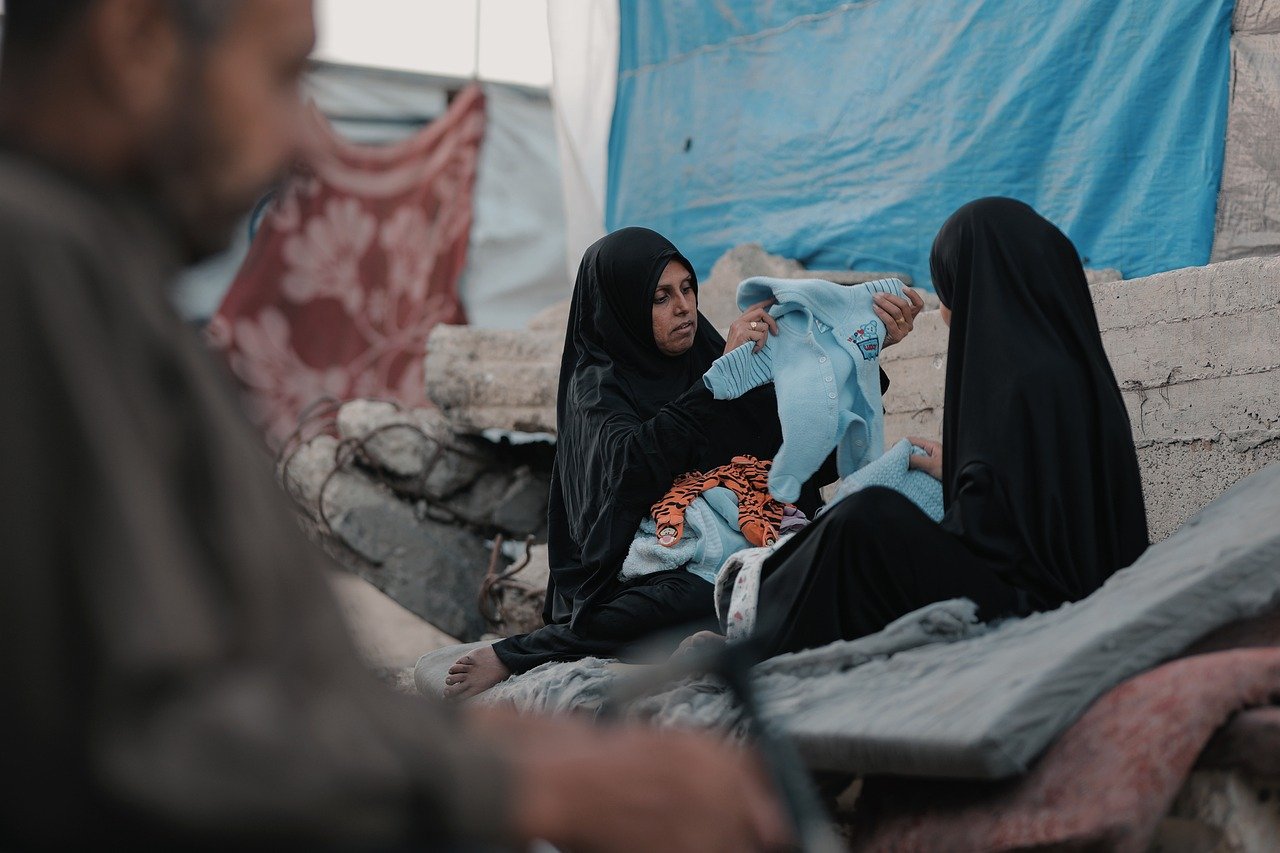
Gaza/Geneva: The night in Gaza falls without ceremony, slipping into the cracks of tents and broken apartments long before the hush of sleep arrives. In the makeshift shelters that now carpet large sections of the Strip, the cold settles early and settles deep. Plastic sheets rustle, ropes strain at the wind, and families curl into clusters for warmth. It is in these hours, when the world feels paused in breath, that the quiet labour of women becomes visible. They rise first, navigate the dark with small lamps or phone lights, check on sleeping children, and step outside into the bitter air to coax a flame from a handful of damp wood.
In this landscape of cold and fatigue, women hold households together with sheer will. It was into this world that Sofia Calltorp of UN Women stepped during a recent mission that took her from Jabalia in the north to the crowded stretches of Al-Mawasi in the south. She carried back a message that strips away any illusions of safety. “There may be a cease-fire,” she said, “but the war is not over. The attacks are fewer, but the killings continue.” The words emerged not as an alarm but as an observation, a description of a life in which danger has become quieter, more unpredictable, more psychologically scarring.
OCHA [The United Nations Office for the Coordination of Humanitarian Affairs] data confirms that the cease-fire that began on 10 October has never been synonymous with peace. Hostilities continue in pockets across the Strip. Aid convoys are delayed or redirected. Families move not because they choose to but because they feel a tremor of threat that pushes them on. This weary pattern of displacement has turned Gaza into a map of perpetual movement, and women, Calltorp found, carry the strain of it with remarkable endurance. “To be a woman in Gaza today means facing hunger and fear, absorbing trauma and grief, and shielding your children from gunfire and cold nights,” she explained. “It means being the last line of protection in a place where safety no longer exists.”
The numbers behind her words are staggering. UN Women estimates that more than 57,000 homes across Gaza are now headed by women. Many are widows; others have been separated from husbands or partners by death, detention or the chaos of flight. More than 12,000 women and girls are living with permanent conflict-related disabilities. Their lives unfold under conditions that would undo many, yet they continue to move, cook, fetch water, mend tents, mediate children’s fears, and attempt—against all odds—to maintain a rhythm of normalcy.

In the shelters where Calltorp spoke with families, women described a life governed by rain, cold and the unpredictable hum of conflict. Some had been displaced more than thirty times since October 2023, each move pushing them closer to exhaustion. In one tent, a mother showed Calltorp how a night of steady rain had soaked their bedding. “Water soaked through their makeshift tents,” Calltorp recalled, “leaving the children shivering throughout the night.” She spoke of women who told her that winter was arriving faster than their supplies, faster than their strength. “This is what it means to be a woman in Gaza today,” she said, “to know that winter is coming, and to know you cannot protect your children from it.”
Food is another axis of hardship. UN Women field teams have tracked dramatic spikes in prices. Something as simple as an egg can cost around two U.S. dollars. Bread, vegetables and bottled water are luxuries; dried legumes and tinned food are inconsistent even when available. “It’s completely impossible for many of the women that I met to feed their families,” Calltorp said, and the unmistakable truth of that sentence echoes in every shelter where children have learned to wait quietly because hunger has become one of life’s certainties.
UNICEF [United Nations Children’s Fund] reports that children are still being killed despite the cease-fire, while illness spreads through shelters where winter air mixes with damp ground and thin clothing. Without fuel, families cannot heat water; without clean water, they cannot wash; without medicine, treatable conditions become dangerous. The Strip’s medical system, already hollowed by years of strain, now operates on the edge of collapse.
The wider economic picture deepens the story’s despair. A UNCTAD [UN Trade and Development] assessment, released today, found that the economy of the Occupied Palestinian Territory has been pushed back twenty-two years, with GDP per capita by the end of 2024 falling to levels last seen in 2003. UNCTAD ranks Gaza’s economic collapse among the ten worst worldwide since 1960. The implications are profound: destroyed infrastructure, lost livelihoods, broken supply chains, widespread unemployment, and a generation of youth facing a near-total absence of opportunity. Past modelling, cited by Reuters and AP, suggested that depending on conditions, rebuilding Gaza’s economy could take centuries.
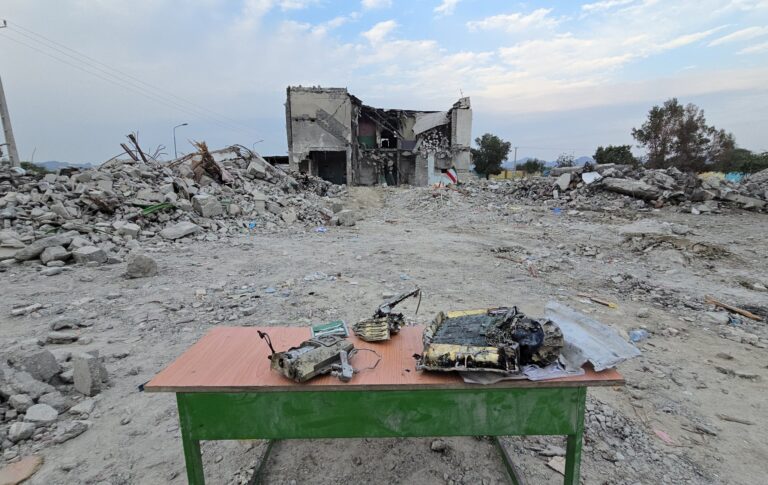
For many women in Gaza, these macro-level assessments are reflected in the intimate details of daily survival. A family that once owned a shop now barter for blankets. A woman who once worked as a teacher now spends mornings searching for firewood. Displaced families return at dawn to the shells of their old homes to salvage anything that can be burned. Time itself has become segmented into tasks that ensure the next hour: heat, water, something to eat, and a dry corner to sleep.
Calltorp’s message to the international community was clear and urgent. “Women need the cease-fire to hold,” she said. “They need food, they need cash assistance, they need winterisation supplies, health services and vital psychosocial support.” She ended with the line that has defined her briefing: “No woman or girl should have to fight this hard just to survive.”
These are not rhetorical flourishes. They are the unvarnished truths carried out of crowded shelters and presented to a world that remains divided over how to interpret Gaza’s suffering. The women who spoke to Calltorp are not symbols; they are the ones who gather the children during a night of wind; the ones who walk miles for aid that may or may not be there; the ones who line up for water before sunrise; the ones who decide what must be sacrificed when everything cannot be done.
As winter deepens, the stakes sharpen. Humanitarian workers warn that in the coming weeks, the difference between a cease-fire that holds and one that falters could be measured in lives. The pause in fighting has not brought normalcy, nor stability, nor rest. It has simply rearranged the forms of danger that families must navigate.
And yet, each dawn, women across Gaza continue the rituals that keep their families alive: lighting a small flame, gathering the children, and preparing for another long day in a world where survival rests, unfairly and overwhelmingly, on their shoulders.
– global bihari bureau