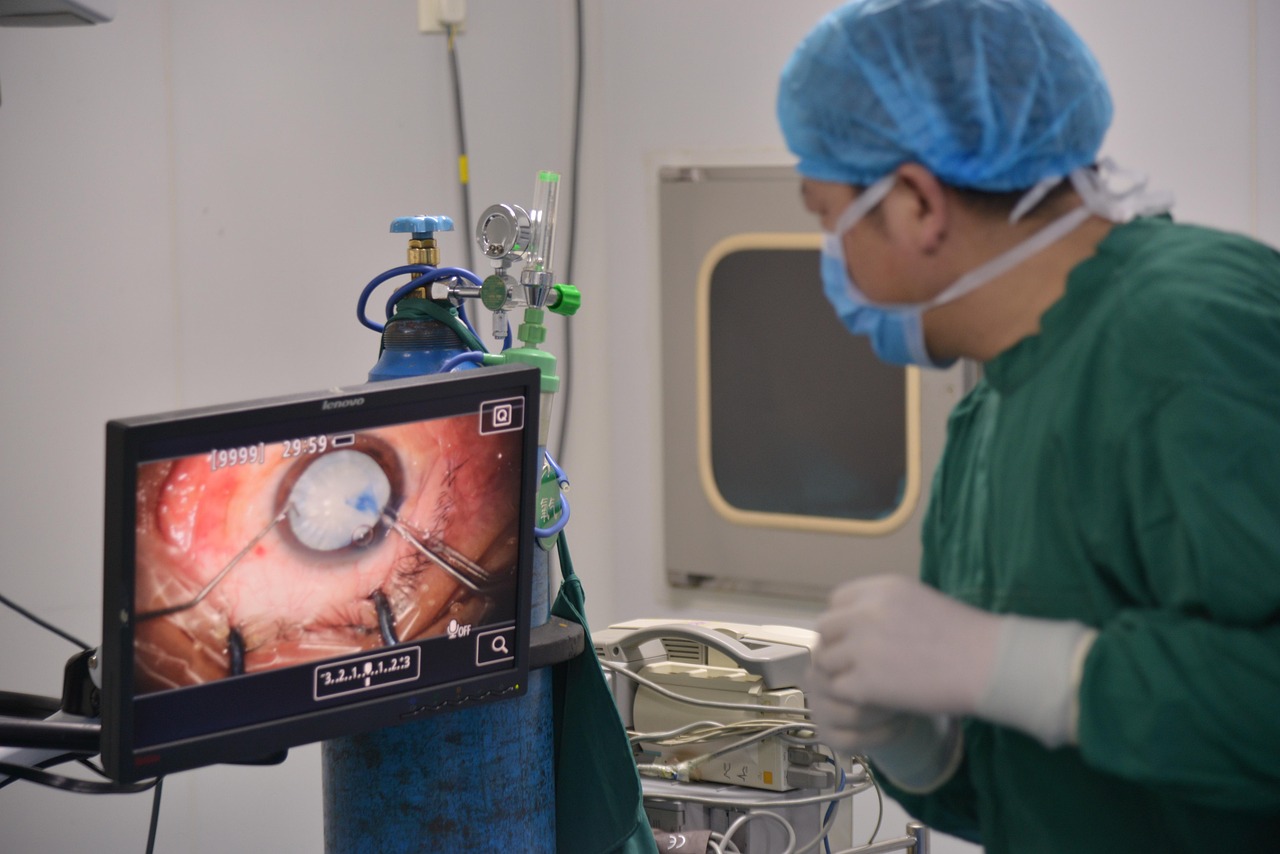
Half of Cataract Blind Still Lack Surgery: WHO Study
Africa Faces Biggest Cataract Surgery Gap
Geneva: The World Health Organization (WHO) today issued a renewed and urgent appeal for countries to rapidly expand access to cataract surgery, warning that nearly one in two people suffering from cataract-related blindness worldwide still cannot obtain the simple procedure that could restore their sight and dramatically improve their quality of life.
The call follows the publication of a major new study in The Lancet Global Health, which provides the most detailed global assessment to date of cataract surgical coverage and the persistent inequities that continue to leave millions untreated.
Cataract, caused by the clouding of the eye’s natural lens, remains the leading cause of avoidable blindness and now affects more than 94 million people across the world. Although cataract surgery can restore vision in a matter of minutes, millions continue to live with severe visual impairment that could be prevented or reversed through timely treatment.
Researchers analysed national data from 68 countries for the years 2023 and 2024 using internationally standardised indicators of effective cataract surgical coverage, which measure not only whether people receive surgery but also whether the surgery results in good visual outcomes. The findings show that while access has improved modestly over time, global progress remains far too slow to meet agreed international targets.
Over the past two decades, worldwide cataract surgery coverage has increased by about 15 per cent. However, population ageing and the rising number of people developing cataracts have driven demand even faster. New modelling in the study projects that coverage is likely to grow by only about 8.4 per cent during the current decade. This trajectory falls well short of the World Health Assembly’s goal of achieving a 30 per cent increase in effective cataract surgical coverage by 2030.
“Cataract surgery is one of the most powerful tools we have to restore vision and transform lives,” said Dévora Kestel, Acting Director of WHO’s Department of Noncommunicable Diseases and Mental Health. “When people regain their sight, they regain independence, dignity and opportunity.”
The study reveals stark regional disparities. The African Region faces the widest treatment gap, with nearly three out of every four people who require cataract surgery still going without care. Other low- and middle-income regions also show substantial shortfalls compared with high-income countries, where coverage and surgical outcomes are significantly better.
Gender inequality remains a persistent feature across all regions. Women are consistently less likely than men to receive cataract surgery and to achieve good visual outcomes following treatment. Researchers attribute this pattern to a combination of social, economic and cultural factors, including lower health-seeking behaviour among women, financial dependence, reduced mobility, and limited access to eye-care services.
WHO noted that these gaps are rooted in long-standing structural barriers. Many countries suffer from shortages of trained ophthalmologists and eye-care workers or from an uneven distribution of services that favours urban centres over rural and remote areas. High out-of-pocket costs continue to deter poorer patients, while long waiting times and weak referral systems prevent timely treatment. In several settings, lack of awareness about cataract and misconceptions about surgery further suppress demand, even when services are available.
While age remains the dominant risk factor for cataract, the report also highlights other contributors that can accelerate its development, including prolonged exposure to ultraviolet-B radiation, tobacco use, extended corticosteroid use and the growing global burden of diabetes. These factors are becoming increasingly common, particularly in low- and middle-income countries, intensifying pressure on fragile health systems and widening existing inequities in eye care.
The authors of the study stress that eliminating avoidable blindness from cataract is both achievable and economically sound. Cataract surgery is among the most cost-effective medical procedures, producing immediate and long-lasting restoration of vision and allowing individuals to return to work, education and independent living. Beyond personal benefits, improved vision reduces the burden on families and social care systems and contributes to national productivity.
WHO is urging countries to integrate vision screening and basic eye examinations into primary health care so that cataracts can be detected early and referrals made without delay. The organisation has also called for increased investment in essential surgical infrastructure and equipment, as well as expanded training and better geographic distribution of the eye-care workforce, particularly in rural and underserved communities.
Special emphasis has been placed on addressing gender and social inequities. Targeted programmes that prioritise women, older people and marginalised populations are considered critical if future gains in surgical coverage are to be shared equitably rather than reinforcing existing gaps.
WHO appealed to governments, civil society organisations and development partners to build on current momentum and make cataract treatment a public health priority within universal health coverage strategies. Tackling geographic and gender disparities, the agency said, must be central to national plans aimed at ending avoidable blindness.
With sustained political commitment, coordinated financing and stronger health systems, cataract surgery could move from being out of reach for millions to becoming a universally accessible intervention. WHO officials believe that achieving this goal would not only restore sight but also enable millions of people to reclaim independence and full participation in social and economic life, marking a decisive step toward ending preventable blindness worldwide.
– global bihari bureau