WHO Stands Firm, Says U.S. Exit Makes World Less Safe
Geneva/Washington: Rejecting the United States’ accusations that it pursues a politicised agenda driven by nations hostile to American interests, the World Health Organization (WHO) expressed regret over Washington’s withdrawal from the global health body, warning that the decision would make both the United States and the world less safe. The response came on January 24, two days after the U.S. State Department announced the formal termination of American membership, citing alleged failures by the agency during the COVID-19 pandemic.
In a statement issued from its headquarters in Geneva today (IST), WHO said the United States, as a founding member of the organisation, had contributed significantly to some of its greatest public health achievements, including the eradication of smallpox and progress against polio, HIV, Ebola, influenza, tuberculosis, malaria, neglected tropical diseases, antimicrobial resistance and food safety threats. The organisation said the withdrawal weakened collective efforts to confront existing and emerging global health challenges.
WHO said the notification of withdrawal raised legal and institutional issues that would be considered by its governing bodies, including the WHO Executive Board at its meeting beginning 2 February and the World Health Assembly at its annual session in May 2026.
Taking note of U.S. statements accusing the agency of having “trashed and tarnished” America and compromised its independence, WHO said those assertions were untrue and stressed that it had always sought to engage with the United States in good faith, with full respect for national sovereignty, as it does with all of its 194 Member States. The organisation added that claims it had allowed its independence to be compromised were inconsistent with its mandate as an impartial specialised agency of the United Nations.
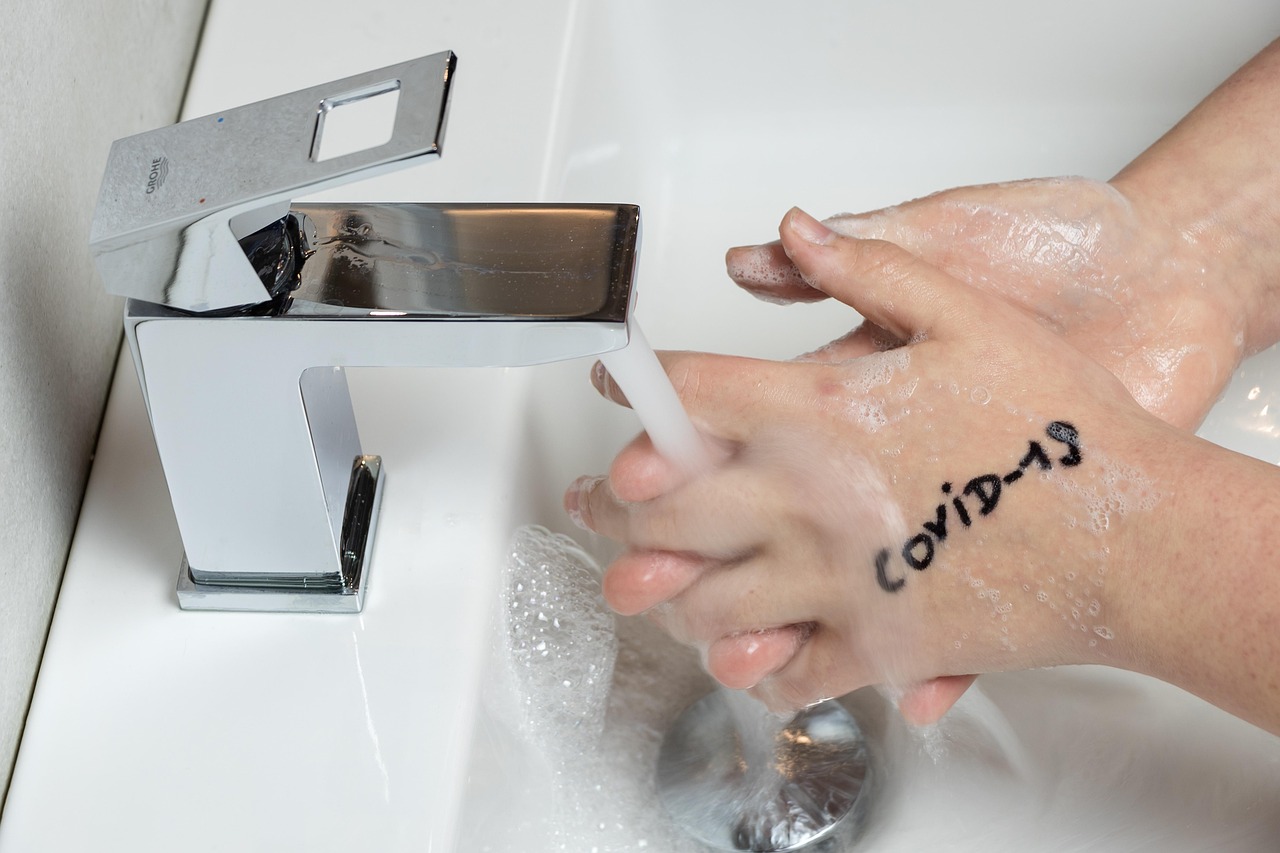
Responding to allegations that it obstructed the timely and accurate sharing of information during the COVID-19 pandemic and concealed failures, WHO defended its conduct during what it described as an unprecedented global crisis. While acknowledging that no organisation or government handled every aspect of the pandemic perfectly, the agency said it acted quickly, shared information transparently and advised countries on the basis of the best available scientific evidence.
WHO said it sought further information from China on 31 December 2019 after receiving reports of a cluster of pneumonia cases of unknown cause in Wuhan and immediately activated its emergency incident management system. By the time the first death was reported on 11 January 2020, the organisation said it had already alerted the world through formal channels, public statements and social media, convened global experts and issued comprehensive guidance for countries on protecting their populations and health systems.
When the WHO Director-General declared COVID-19 a Public Health Emergency of International Concern on 30 January 2020 — the highest level of alarm under international health regulations — fewer than 100 cases and no deaths had been reported outside China, the organisation said. In the following weeks, the Director-General repeatedly urged governments to take immediate action, warning that “the window of opportunity is closing,” that “this is not a drill,” and describing the virus as “public enemy number one.”
The organization emphasized that while it recommended the use of masks, vaccines and physical distancing, it never advised governments to impose mask mandates, vaccine mandates or lockdowns. WHO said it supported sovereign governments in making decisions they believed were in the best interests of their populations, but stressed that those decisions were taken by national authorities themselves.
WHO also rejected the U.S. charge that it had pursued a bureaucratic and politicised agenda driven by nations hostile to American interests. As a specialised agency of the United Nations governed collectively by its Member States, the organization said it had always remained impartial and committed to serving all countries without fear or favour and with respect for sovereignty.
In Washington, the U.S. government portrayed its withdrawal as the fulfilment of a promise made by President Donald Trump on his first day in office through Executive Order 14155. In a joint statement, Secretary of State Marco Rubio and Secretary of Health and Human Services Robert F. Kennedy Jr. said the decision was taken in response to what they described as WHO’s failures during the COVID-19 pandemic and the abandonment of its core mission.
The U.S. statement accused WHO of obstructing the timely and accurate sharing of critical information that could have saved American lives and of concealing shortcomings under the pretext of acting in the interest of public health. It said the organisation had pursued a politicised and bureaucratic agenda driven by nations hostile to American interests, despite the United States being a founding member and its largest financial contributor.
Washington said all U.S. funding for and staffing of WHO initiatives had ceased and that future engagement with the organisation would be limited to implementing the withdrawal and safeguarding the health and safety of the American people. It added that the United States would continue to lead the world in public health through direct, bilateral and results-driven partnerships aimed at preventing infectious disease threats from reaching American shores and advancing global health security outside the WHO framework.
The U.S. statement further described the organisation as “beyond repair,” citing what it called bureaucratic inertia, entrenched paradigms, conflicts of interest and international politics. It linked the withdrawal to domestic grievances, saying the move was for Americans who died alone in nursing homes, small businesses devastated by WHO-driven restrictions, and lives shattered by what it termed the organisation’s inactivity.
Washington also criticized WHO for refusing to return the American flag displayed at its headquarters and for asserting that the organisation had not approved the U.S. withdrawal and that compensation was owed. The United States said it would instead pursue global health objectives through cooperation with what it described as trusted health institutions, arguing that this approach would be more transparent and effective.
This marks the first completed withdrawal of the United States from the World Health Organization, following an earlier but aborted attempt during President Trump’s first term. In July 2020, the Trump administration formally notified the United Nations of its intention to leave WHO, citing alleged mishandling of the COVID-19 pandemic and governance failures. That decision was reversed in January 2021 by President Joe Biden, who restored U.S. membership and funding. During the earlier withdrawal drive, U.S. officials and political allies also accused WHO and its Director-General, Dr Tedros Adhanom Ghebreyesus, of being overly deferential to China in the early stages of the outbreak and of allowing Chinese influence to shape the organisation’s response. Those claims were rejected by WHO, which maintained that it acted on information provided by member states under international health regulations and remained independent and impartial.
WHO, however, said it continued to appreciate the support and engagement of its remaining Member States and underscored recent steps taken to strengthen global preparedness for future pandemics. It noted that Member States last year adopted the WHO Pandemic Agreement, which once ratified will become a landmark instrument of international law aimed at preventing and responding to future global health emergencies.
Negotiations are currently underway on an annex to the agreement establishing a Pathogen Access and Benefit Sharing system, intended to promote rapid detection and sharing of pathogens with pandemic potential and to ensure equitable and timely access to vaccines, therapeutics and diagnostics.
The organisation said that systems developed before, during and after the COVID-19 emergency now operate on a 24/7 basis and contribute to global health security for all countries, including the United States.
Expressing hope that the United States would eventually return to active participation in the agency, WHO reaffirmed its commitment to its constitutional mandate of achieving the highest attainable standard of health as a fundamental right for all people.
The confrontation marks a major rupture in global health diplomacy and sets the stage for debate within WHO’s governing bodies in the coming months over the legal, financial and operational consequences of the U.S. withdrawal, even as international efforts to strengthen pandemic preparedness continue without the participation of one of the organisation’s largest historical contributors.
– global bihari bureau