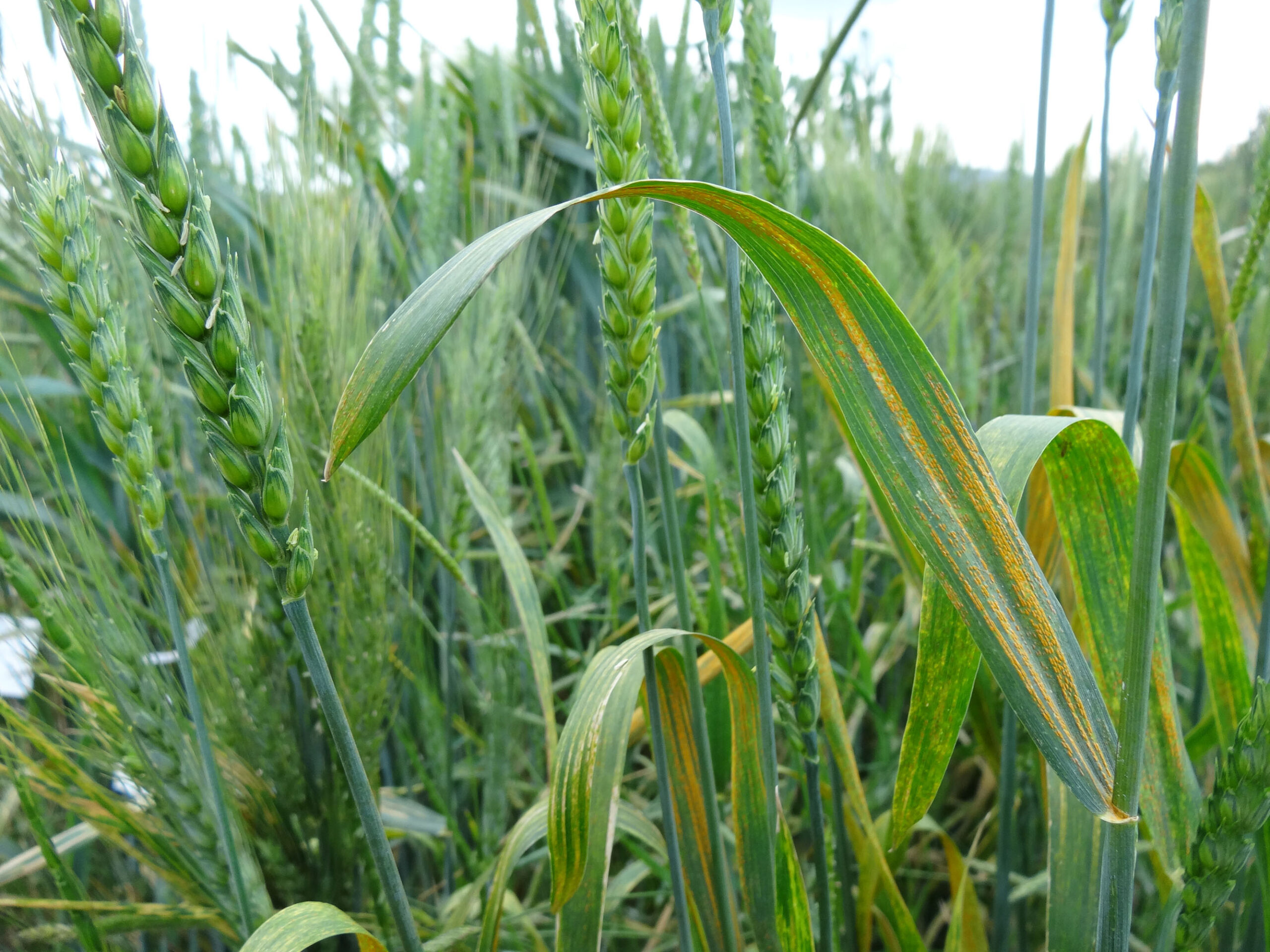
An FAO-coordinated programme has connected national teams l experts to transform isolated field reports into regional alerts, facilitating a coordinated response. ©FAO/ Fazil Dusunceliwith globa
In a golden field of ripening wheat beneath Türkiye’s unrelenting sun, Lutfi Çetin bends low, his silver hair catching the light as he inspects leaves and stalks with the studied concentration of a man who knows the stakes. His sleeves, deliberately unrolled to guard against sharp wheat awns and searing heat, mark over 30 years dedicated to an invisible war against wheat rust. The grain stands tall and still, a silent testament to generations of sustenance, yet it teeters on the edge of devastation. What you cannot see may be what kills the season. The rust may come again. Wheat, the backbone of life across Central Asia and the Caucasus, filling ovens, securing incomes, and forming the quiet bedrock of national food security and nutrition, now faces a trio of fungal diseases—yellow, leaf, and stem—whose poetic names belie their menace. No longer local threats, these rusts are global adversaries, and the Food and Agriculture Organization (FAO), alongside Türkiye, leads a coalition of scientists, farmers, and governments in Azerbaijan, Kazakhstan, Kyrgyzstan, Tajikistan, Turkmenistan, and Uzbekistan to save this lifeblood from a borderless plague.
The stakes are not theoretical; the numbers tell a stark story. Each year, wheat rust obliterates up to 15 million tonnes of grain worldwide, a loss that could feed millions. In Tajikistan, where 300,000 hectares of wheat fields stretch across the landscape, sustaining families and economies, uncontrolled rust could slash production by 10–15%, warns Professor Salimzoda Amonullo, President of the Academy of Agricultural Sciences of Tajikistan. “The airborne Alienspores of rusts do not respect borders,” declares Fazil Dusunceli, a Plant Pathologist with FAO, echoing the wisdom of Norman Borlaug, the 1970 Nobel Peace Prize winner for his Green Revolution contributions. These fungi, carried by wind and precipitation, mutate into new and increasingly virulent strains, creating risks that ripple across regions, crossing oceans with alarming ease. Yellow rust thrives in the cool, wet climates of the highlands; stem and leaf rust flourish in warmer regions. All are unforgiving, quick to evolve, and relentless in assaulting the crops that underpin survival.
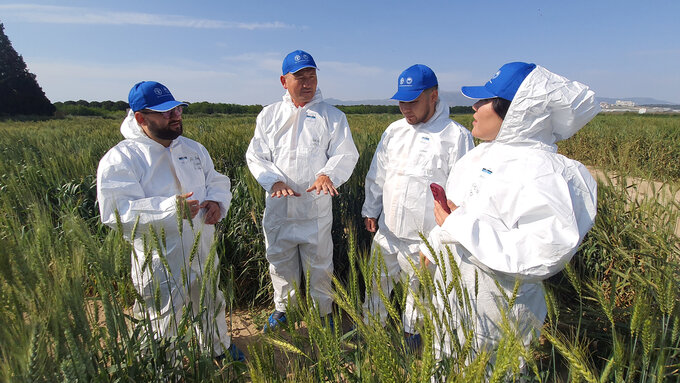
Yet a formidable defence is taking root. Supported by FAO and the Government of Türkiye, a coalition has formed, uniting the scientific minds, weathered hands of farmers, and policymakers of six nations in a shared mission. Over the past four years, the FAO-Türkiye Partnership Programme has trained more than 140 plant health experts and hundreds of farmers in the intricate arts of rust monitoring, field diagnostics, integrated management, and resistance breeding. New tools have been introduced, and old practices refined, empowering farmers to recognise the earliest signs of infection—those telltale streaks and pustules that spell doom. Researchers, meanwhile, track the emergence of new rust races, their work a race against time. “The training helped us keep pace with how wheat rust is evolving,” says Saykal Bobusheva, Assistant Professor at Kyrgyz-Turkish Manas University in Kyrgyzstan. “We’ve learned how to detect infections, respond more effectively, and exchange knowledge with our neighbours. It’s strengthened our research and our regional cooperation.”
This knowledge has not remained confined to classrooms. It has split into fields, laboratories, and greenhouses, where hundreds of farmers and experts now operate with shared contingency plans, tracking diseases in real time and building the kind of trust that makes cross-border collaboration possible. The FAO-coordinated programme connects national teams to global expertise at the International Centre for Agricultural Research in the Dry Areas (ICARDA), the International Maize and Wheat Improvement Centre (CIMMYT), the Regional Cereal Rust Research Centre (RCRRC), and the International Winter Wheat Improvement Programme (IWWIP). Kumarse Nazari, a rust pathologist at ICARDA, emphasises the path forward: “The most efficient way to manage these diseases in the long term is through surveillance, monitoring new races, and developing new wheat varieties resistant to these diseases.”
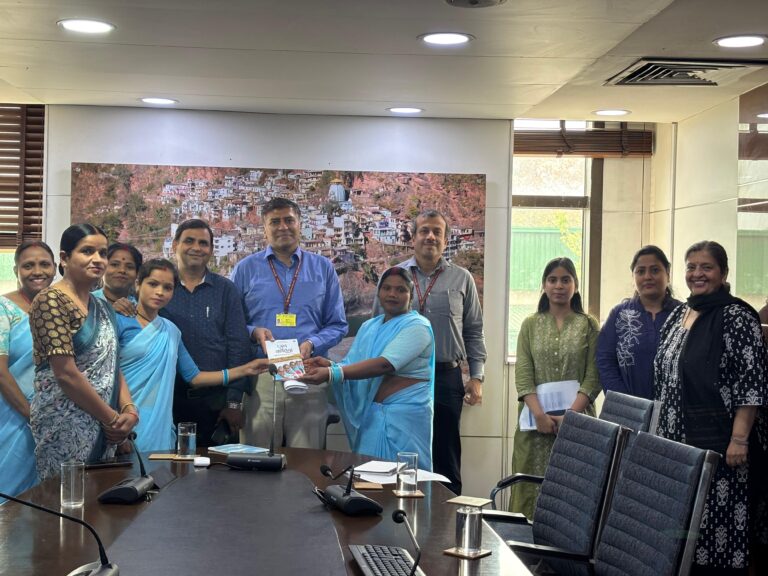
A series of workshops held in Uzbekistan, Tajikistan, and most recently, Türkiye have focused on developing national strategies and contingency plans, transforming isolated field reports into regional alerts that enable coordinated responses. These efforts are enhancing the preparedness of countries to confront wheat rust head-on. Ahmet Volkan Güngören, of Türkiye’s Ministry of Agriculture and Forestry, underscores the necessity of unity: “It is not possible for countries to achieve results on their own in the fight against wheat rust diseases. These require regional and international collaboration.” The coalition strengthens prevention and management across borders by sharing data, expertise, and insights.
The scientific front is advancing. In a recent training session, 33 technical officers from the region worked with experts from CIMMYT, ICARDA, and RCRRC to master the development of wheat varieties resistant to rust diseases. They were introduced to a speed breeding technique that reduces the breeding process by two to three years, a breakthrough that could accelerate the deployment of resilient crops. This training has laid the groundwork for future collaboration, fostering a network of nations committed to improving the resilience of wheat production over the long term.
The battle against wheat rust is not new. Its lineage stretches back thousands of years, etched into the Roman festivals honouring the god Robigus, where farmers sought divine protection from crop-killing blights, and pleaded against in the lamentations of biblical texts. But what is new is the ferocity and reach of modern rust strains, emerging faster and spreading farther than ever before. Breeding programmes are beginning to show promise in local trials, with the distribution of promising new varieties on the horizon. Yet the work is far from over. The pathogens adapt, and their mutations are a constant challenge. The pressure remains unrelenting, and the fungi do not sleep.
For Lutfi Çetin, kneeling in his field, and for the farmers watching their crops under vast Central Asian skies, the fight is personal. Each stalk of wheat represents a family fed, a livelihood secured, a nation sustained. The coalition’s efforts—through training, collaboration, and innovation—are signs of progress, but the road ahead is long. The fungi do not sleep. The fungi are relentless, but so are the defenders of the wheat fields, united in their resolve to protect the quiet bedrock of life itself.
Source: The FAO News And Media Office, Rome
– global bihari bureau