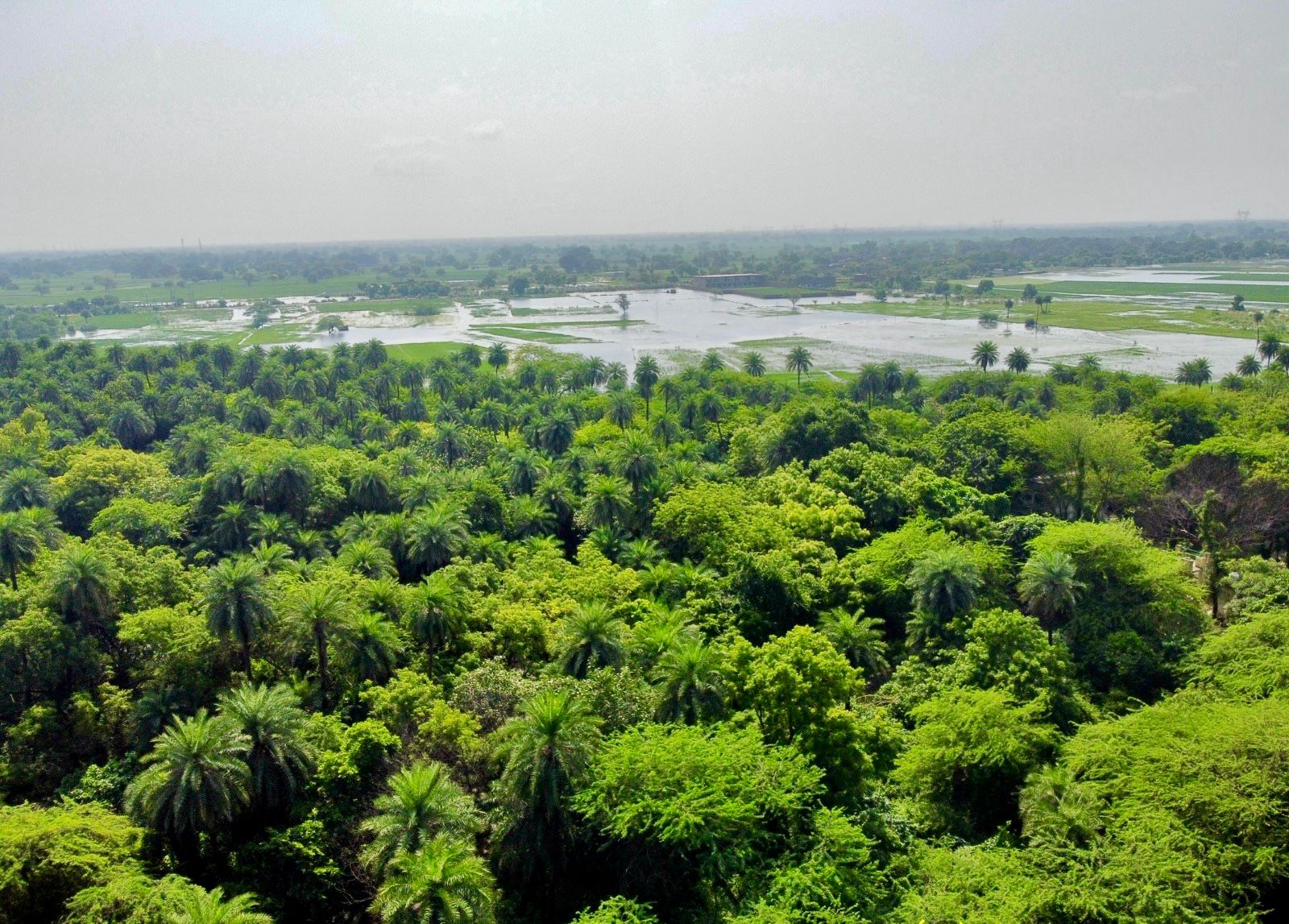
Patna Bird Sanctuary, Etah
India’s Ramsar Network Expands to 98 Sites
New Delhi: India has added two more ecologically significant wetlands to its list of Ramsar sites, reinforcing the country’s growing footprint in global wetland conservation ahead of World Wetlands Day on February 2, 2026. Union Minister for Environment, Forest and Climate Change Bhupender Yadav announced that Patna Bird Sanctuary in Uttar Pradesh’s Etah district and Chhari-Dhand in Gujarat’s Kutch district have received international recognition under the Ramsar Convention.
The announcement was made today through a post on the social media platform X, where the Minister underlined the rapid expansion of India’s Ramsar network over the past decade. According to Yadav, the number of Ramsar sites in the country has increased by more than 276 per cent—from 26 in 2014 to 98 at present—reflecting what he described as India’s strengthened commitment to environmental protection and wetland conservation under the leadership of Prime Minister Narendra Modi.
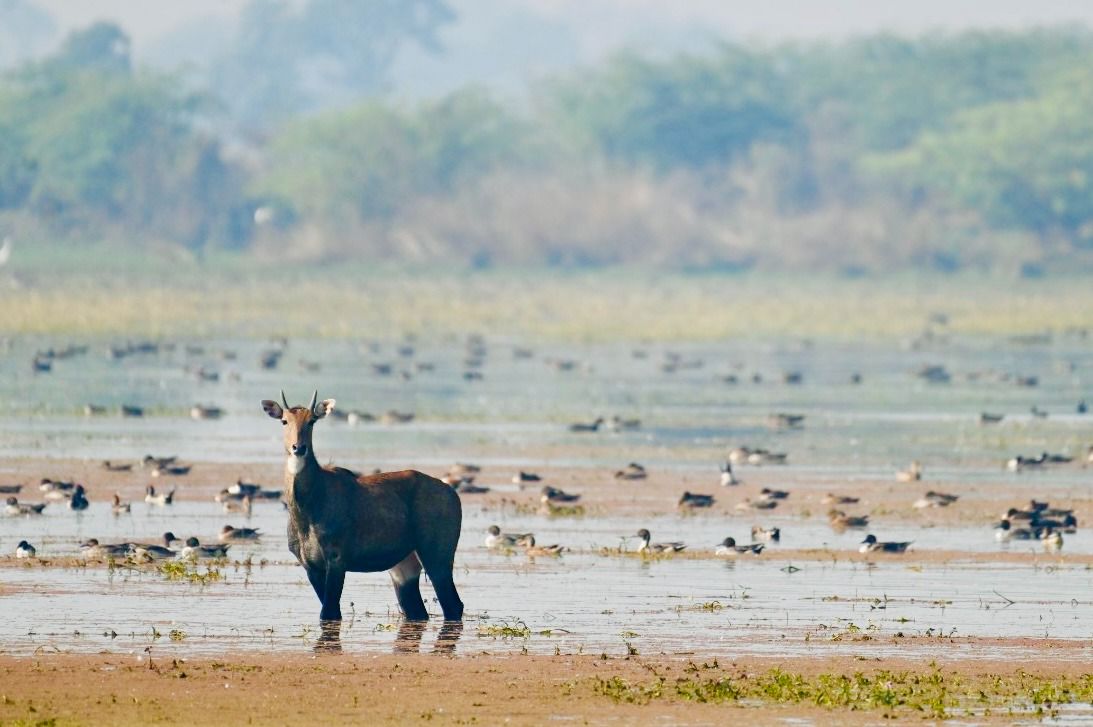
Both newly designated wetlands are known for their rich biodiversity and their importance as habitats for a wide range of migratory and resident bird species. Officials noted that these ecosystems also support wildlife such as chinkara, wolves, caracal, desert cats and desert foxes, in addition to several endangered bird species. Their inclusion in the Ramsar list is expected to bring greater global attention to their ecological value and strengthen conservation and management efforts at the local and state levels.
India is among the Contracting Parties to the Convention on Wetlands, commonly known as the Ramsar Convention, which was adopted in the Iranian city of Ramsar in 1971. The country became a signatory to the treaty on February 1, 1982. Under the framework of the convention, wetlands of particular ecological and conservation significance can be designated as Wetlands of International Importance. Such recognition is intended to promote sustainable management practices and showcase national efforts within an internationally accepted conservation system.
Wetlands play a crucial role in maintaining ecological balance by regulating water cycles, supporting biodiversity, and acting as natural buffers against floods and climate-related extremes. The government has repeatedly stressed that international recognition of sites like Patna Bird Sanctuary and Chhari-Dhand highlights the importance of preserving fragile ecosystems while also supporting livelihoods that depend on them.
Prime Minister Narendra Modi welcomed the addition of the two sites to the Ramsar list and congratulated local communities and conservation enthusiasts associated with their protection. Responding to Bhupender Yadav’s post on X, the Prime Minister said he was delighted by the recognition accorded to the wetlands in Etah and Kutch, and described it as a reaffirmation of India’s resolve to safeguard biodiversity and vital ecosystems.
“These recognitions reaffirm our commitment to preserving biodiversity and protecting vital ecosystems. May these wetlands continue to thrive as safe habitats for countless migratory and native species,” the Prime Minister stated.
With the inclusion of Patna Bird Sanctuary and Chhari-Dhand, India’s Ramsar network continues to grow in scale and diversity, spanning wetlands across varied climatic and geographic regions. The latest addition, announced just ahead of World Wetlands Day, underscores the country’s intention to align domestic conservation efforts with global environmental priorities and to project wetlands as central to long-term ecological sustainability.
– global bihari bureau