Rome: Small Island Developing States (SIDS), Least Developed Countries (LDCs), and Landlocked Developing Countries (LLDCs) today adopted a ministerial statement during a High-Level Ministerial Special Event held on the sidelines of the 44th session of the FAO Ministerial Conference.
The statement calls on the Food and Agriculture Organization of the United Nations (FAO) to develop a comprehensive strategy and action plan for agrifood systems transformation tailored to their specific priorities. The strategy should address sustainable agriculture, natural resources management, climate resilience, insurance schemes, technology and innovation, investment readiness, value chain infrastructure, early warning systems, market access, evidence-based policymaking, and the empowerment of youth and women as key drivers of change in agrifood systems. The statement further requests a 2026–2027 Action Plan with clear steps, timelines, and resources to implement the strategy, prioritising capacity development, technical assistance, policy support, and the mobilisation of investment and innovative financing to accelerate progress.
In his opening remarks at the event, titled “From Vulnerability to Resilience – Strengthening Food Security and Better Life in SIDS, LDCs, and LLDCs,” FAO Director-General QU Dongyu emphasised the urgency of accelerating efficient, inclusive, resilient, sustainable, and country-led agrifood systems transformation in these vulnerable states to safeguard food security and improve lives and livelihoods. “When agrifood systems thrive, economies grow, health improves, and societies flourish,” Qu said. “Investments in innovation, technology, nutrition, and sustainable financing are not isolated but are part of an overarching transformation designed to leave no one behind.” He highlighted real obstacles to progress in every country but also significant untapped potential that, with the right support, can unlock opportunities for more sustainable and improved livelihoods. Qu underscored FAO’s commitment to driving innovation and reshaping agriculture by blending cutting-edge solutions with traditional knowledge, such as digital platforms delivering real-time market and weather updates to farmers and community-based projects empowering smallholders with advanced resource conservation techniques.
FAO said its support is already delivering impact in these regions. In SIDS, Blue Transformation is unlocking the potential of ocean-based food systems. In LLDCs, FAO is reducing food prices by strengthening local production and trade corridors. In LDCs, where over 70 per cent of the population depends on agriculture, climate-smart and digital solutions are boosting productivity and resilience. Since the 2023 SIDS, LDCs, and LLDCs ministerial meeting, FAO has mobilised over $600 million through the Global Environment Facility (GEF) and the Green Climate Fund (GCF) to strengthen agrifood systems against climate shocks. FAO’s Technical Cooperation Programme (TCP) allocated nearly $85 million to 347 projects between 2024 and 2025, with 70 per cent of resources directed to 93 SIDS, LDCs, and LLDCs. The Hand-in-Hand Initiative now supports 65 of these countries, while the One Country One Priority Product (OCOP) Initiative engages 48 countries to promote Special Agricultural Products, backed by nearly $20 million globally. Qu also highlighted the critical need for affordable and healthy diets, noting that over 80 per cent of SIDS populations cannot afford a healthy diet, with LLDCs and LDCs facing similar challenges.
In his closing remarks, Qu thanked ministers for their strong engagement and reaffirmed FAO’s commitment to co-designing solutions tailored to national and regional contexts. “FAO’s Strategic Framework 2022–31, centred on the Four Betters—better production, better nutrition, a better environment, and a better life—is aligned with your national priorities and regional aspirations,” he said. The event saw active participation from ministers and senior officials from over 90 countries, including 60 from SIDS, LDCs, and LLDCs, underscoring a global commitment to turning structural constraints into pathways for progress. Discussions focused on five interlinked themes supporting FAO’s Four Betters: leveraging technology and innovation for sustainable productivity, improving nutrition outcomes in vulnerable contexts, advancing Blue Transformation and mountain farming for resilient livelihoods, and strengthening financing and partnerships to scale up country-led solutions.
– global bihari bureau
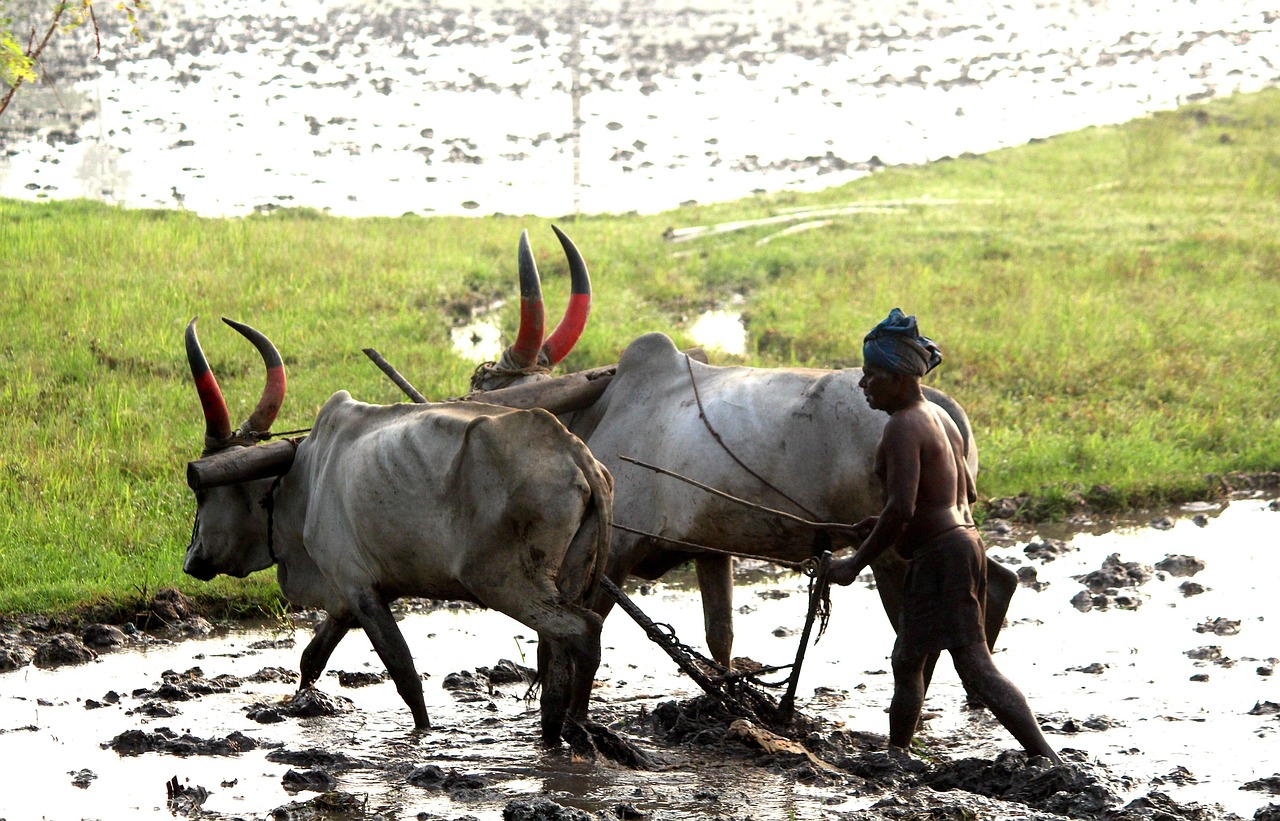
Image by Ajeeth Shanmugham from Pixabay