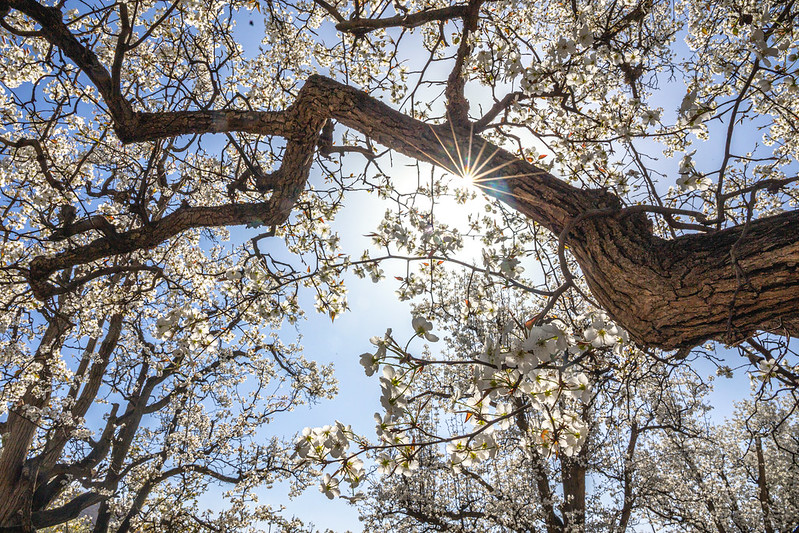
In Shichuan, a 600-year-old agroforestry system thrives along the Yellow River, where towering pear trees are cultivated using the traditional “Gaotian” method.
Rome: In a world grappling with climate change and dwindling biodiversity, six remarkable agricultural systems from Brazil, China, Mexico, and Spain have been recognised as Globally Important Agricultural Heritage Systems (GIAHS) by the Food and Agriculture Organization of the United Nations (FAO). Announced during a meeting of the GIAHS Scientific Advisory Group from May 19-21, 2025, in Rome, these designations celebrate time-tested farming practices that harmonise human ingenuity with nature. From shade-grown erva-mate in Brazil’s endangered forests to volcanic sand farming on Spain’s Lanzarote island, these systems offer lessons in resilience, sustainability, and cultural preservation.
“These systems are bright spots showing how communities can draw upon age-old knowledge to put food on the table, protect jobs, and maintain unique agricultural landscapes,” said Kaveh Zahedi, Director of FAO’s Office of Climate Change, Biodiversity, and Environment. With these additions, the GIAHS network now spans 95 systems across 28 countries, with China leading at 25 sites, followed by Spain (6), Mexico (3), and Brazil (2).
Brazil’s Erva-Mate Agroforestry: A Forest-Saving Brew
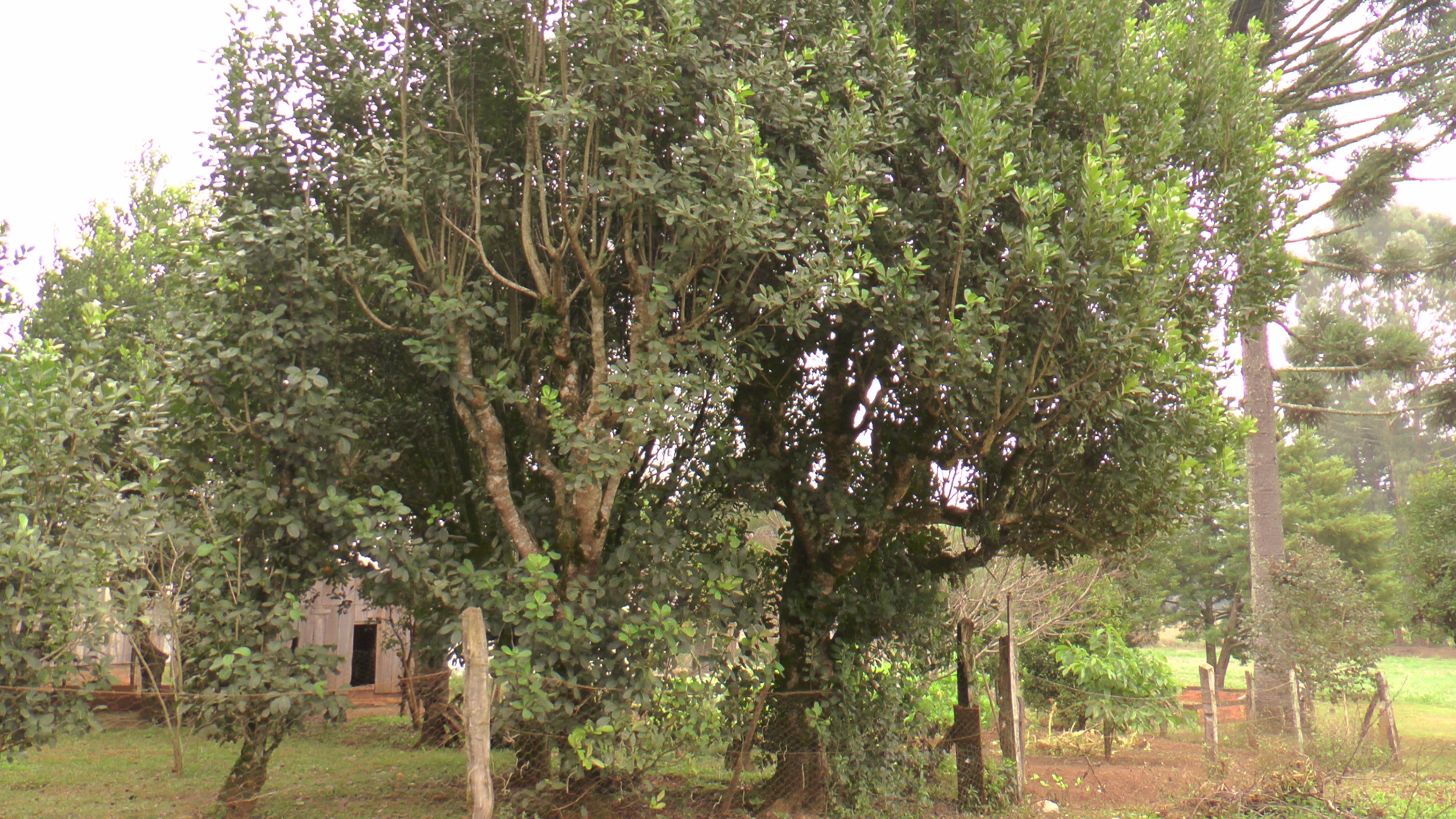
In Paraná, southern Brazil, Indigenous Peoples and traditional communities have cultivated erva-mate—a native tree whose leaves fuel the beloved chimarrão, tereré, and mate drinks across South America—for centuries. This shaded agroforestry system integrates food crops, native fruits, and forest products, bolstering biodiversity and food sovereignty while preserving the critically endangered Araucaria Forest, where only 1% of the original cover remains. By maintaining forest ecosystems and cultural identity, this system stands as a beacon of sustainable agriculture in a region scarred by deforestation.
China’s Triple Triumph: Pearls, Tea, and Pears
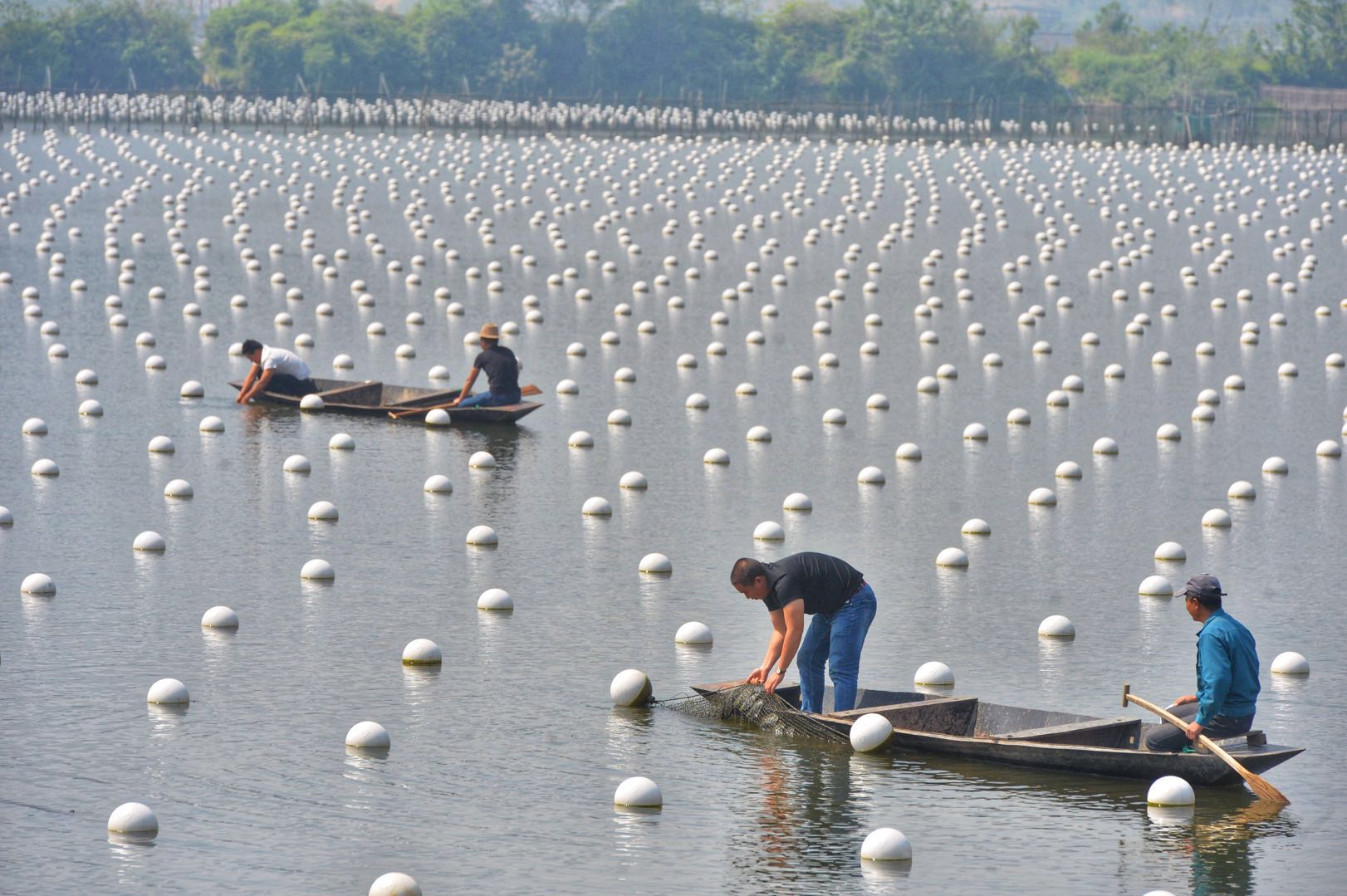
China’s three newly designated sites showcase diverse, centuries-old practices. In Deqing County, Zhejiang Province, an 800-year-old fish-mussel co-cultivation system produces pearls, rice, silk, and more. This circular economy reduces ammonia by 40%, nitrite by 54%, and nitrogen by 38%, making it a model for sustainable aquaculture that supports 22,000 residents through farming, pearl processing, and eco-tourism.
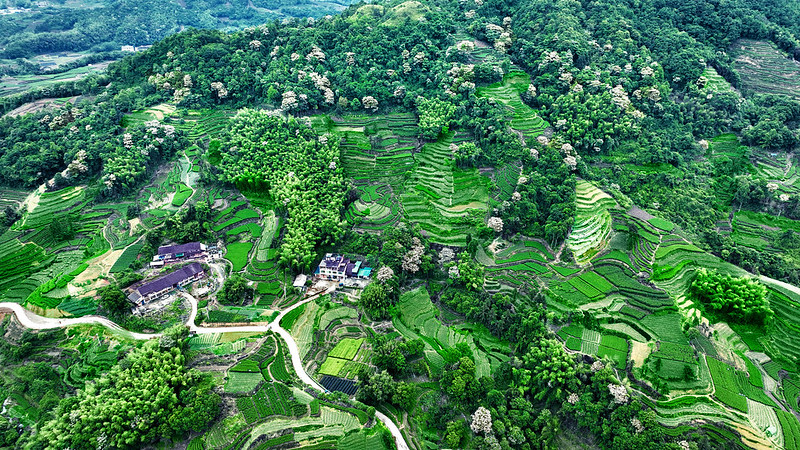
In Fujian Province’s Fuding, white tea cultivation thrives through ecological wisdom. The system, centred on the Lüxueya mother tree and natural withering techniques, integrates tea gardens with forests and crops, preserving 18 tea varieties and over 120 other species, including vegetables, fruits, and edible fungi. Its cultural rituals reflect a deep bond between people and the land.
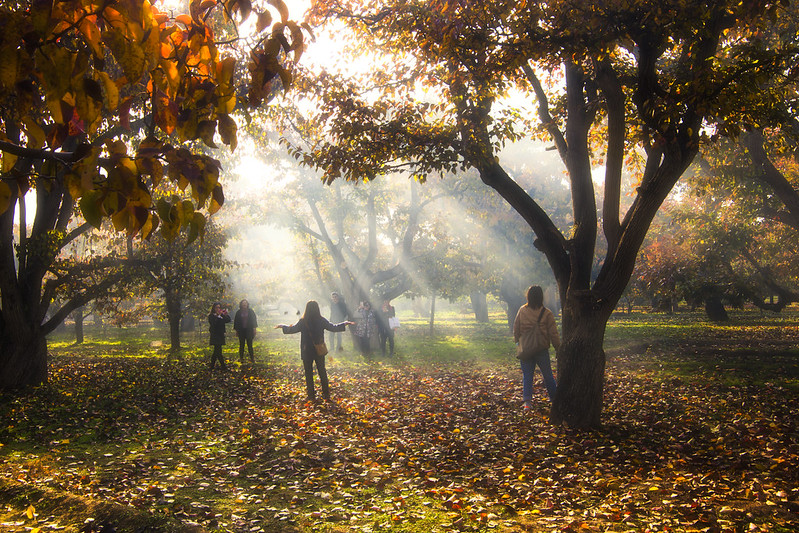
Meanwhile, in Gansu Province’s arid Loess Plateau, the 600-year-old Gaolan Shichuan pear orchard system uses the “Gaotian” method to grow towering pear trees alongside crops and livestock. Producing over 2 million kilograms of pears annually, it preserves ancient varieties like Ruan’er and Dongguo, thriving despite droughts and erosion-prone soils.
Mexico’s Metepantle: A 3,000-Year-Old Lifeline
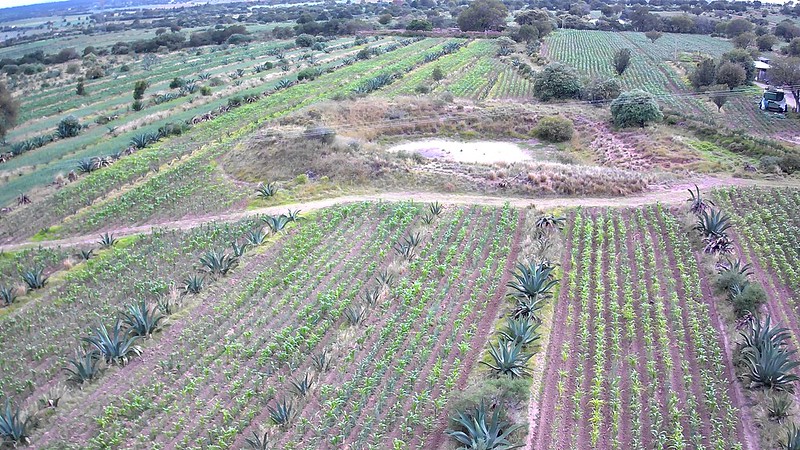
In Tlaxcala, Mexico, the Metepantle system has sustained farming families for over 3,000 years. This terraced mosaic of maize, agave, beans, squash, and wild plants, rooted in Nahua Indigenous knowledge, preserves over 140 native species, including 40 maize landraces. Through seed fairs and community exchanges, it supports biodiversity and food security in one of Mexico’s most climate-vulnerable regions, offering a blueprint for resilience.
Spain’s Lunar-Like Lanzarote: Farming the Volcano
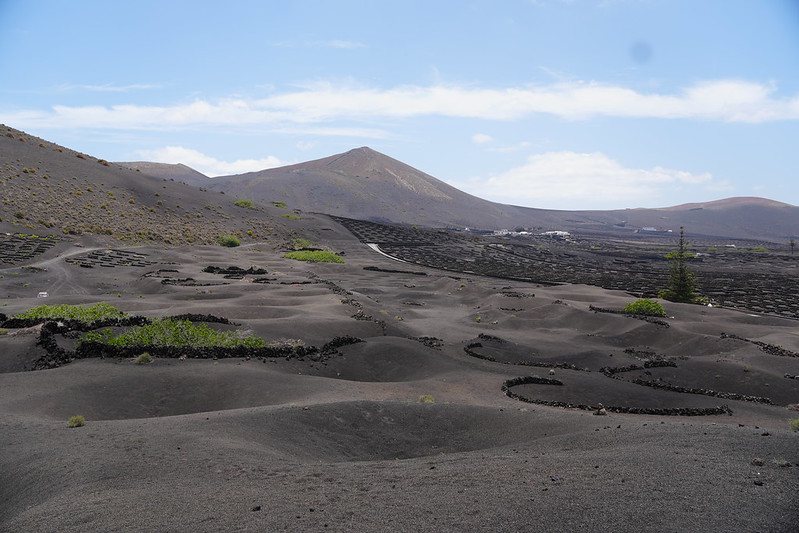
On Spain’s Lanzarote island, where volcanic eruptions in the 18th century left a moonscape of black ash, farmers developed a unique system using volcanic lapilli (enarenado) and sea sand (jable) to trap moisture and protect crops like grapes, sweet potatoes, and legumes. Spanning 12,000 hectares, this largely irrigation-free method sustains biodiversity and livelihoods in one of Europe’s driest regions, proving that innovation can turn barren landscapes into fertile grounds.
A Global Legacy
These six systems, added to the GIAHS network on May 21, 2025, highlight the power of traditional knowledge to address modern challenges. As Zahedi noted, “They are living examples of harmony between people and nature, with much to teach us as we adapt to an uncertain future.” From Brazil’s forest-friendly mate to Lanzarote’s volcanic vineyards, these sites remind us that sustainable farming is not just about feeding the present—it’s about preserving the past for the future.
– global bihari bureau