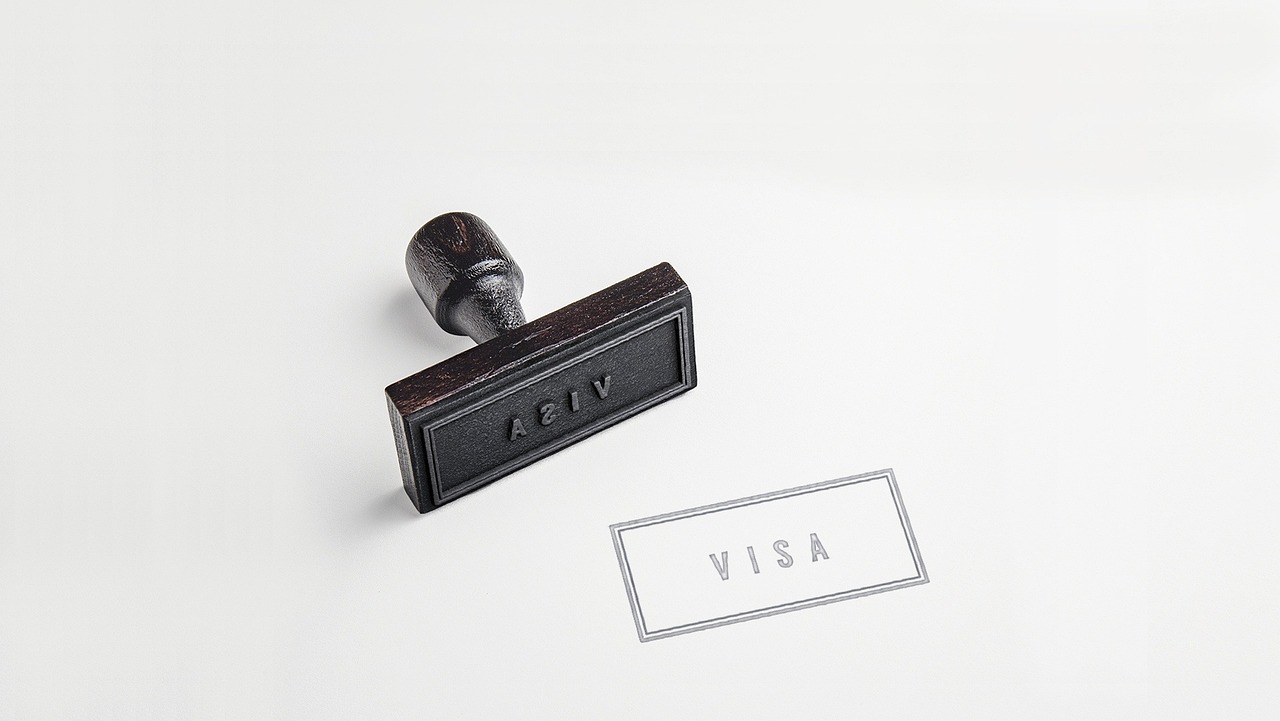
Washington: The United States Department of State has introduced a new visa restriction policy targeting foreign nationals who attempt to suppress constitutionally protected speech by American citizens or residents. Announced by Secretary of State Marco Rubio today, the policy addresses growing concerns over foreign governments and their officials unlawfully censoring U.S. individuals or pressuring American technology companies to enforce restrictive content moderation policies.
In his statement, Rubio highlighted free speech as a fundamental right enshrined in the U.S. Constitution, describing it as a “cherished” principle that distinguishes America as a global beacon of freedom. He condemned actions by foreign officials, such as issuing or threatening arrest warrants against U.S. citizens or residents for social media posts made on American platforms while on U.S. soil. Equally unacceptable, Rubio noted, are demands by foreign entities for U.S. tech firms to adopt global content moderation policies that encroach on American sovereignty and curtail free expression.
Effective immediately, the policy, authorised under Section 212(a)(3)(C) of the Immigration and Nationality Act, renders inadmissible any foreign national—potentially including government officials, diplomats, or state-affiliated actors—whose censorship activities are deemed to have “potentially serious adverse foreign policy consequences for the United States.” Certain family members of such individuals may also be subject to visa restrictions. The Department of State will evaluate cases based on evidence of direct involvement in censorship actions targeting protected U.S. speech.
“This policy sends a clear message: the United States will not tolerate foreign interference that undermines our constitutional rights,” Rubio declared, emphasising the protection of American sovereignty. While specific enforcement mechanisms were not detailed, the policy leverages existing immigration frameworks to bar entry to those who violate U.S. free speech principles.
The announcement comes amid heightened scrutiny of foreign influence in digital spaces, though no specific incidents or targets were named in Rubio’s statement. The policy is expected to impact diplomatic relations with nations engaging in such censorship practices, reinforcing America’s commitment to defending free expression.
– global bihari bureau