WHO Appeals for $4M to Aid Afghanistan Earthquake Victims
Kabul: With the death toll expected to rise as rescue operations continue, the World Health Organization (WHO) today appealed for US$4 million to address urgent health needs in the affected provinces of Kunar, Nangarhar, Laghman, and Nuristan in Afghanistan.
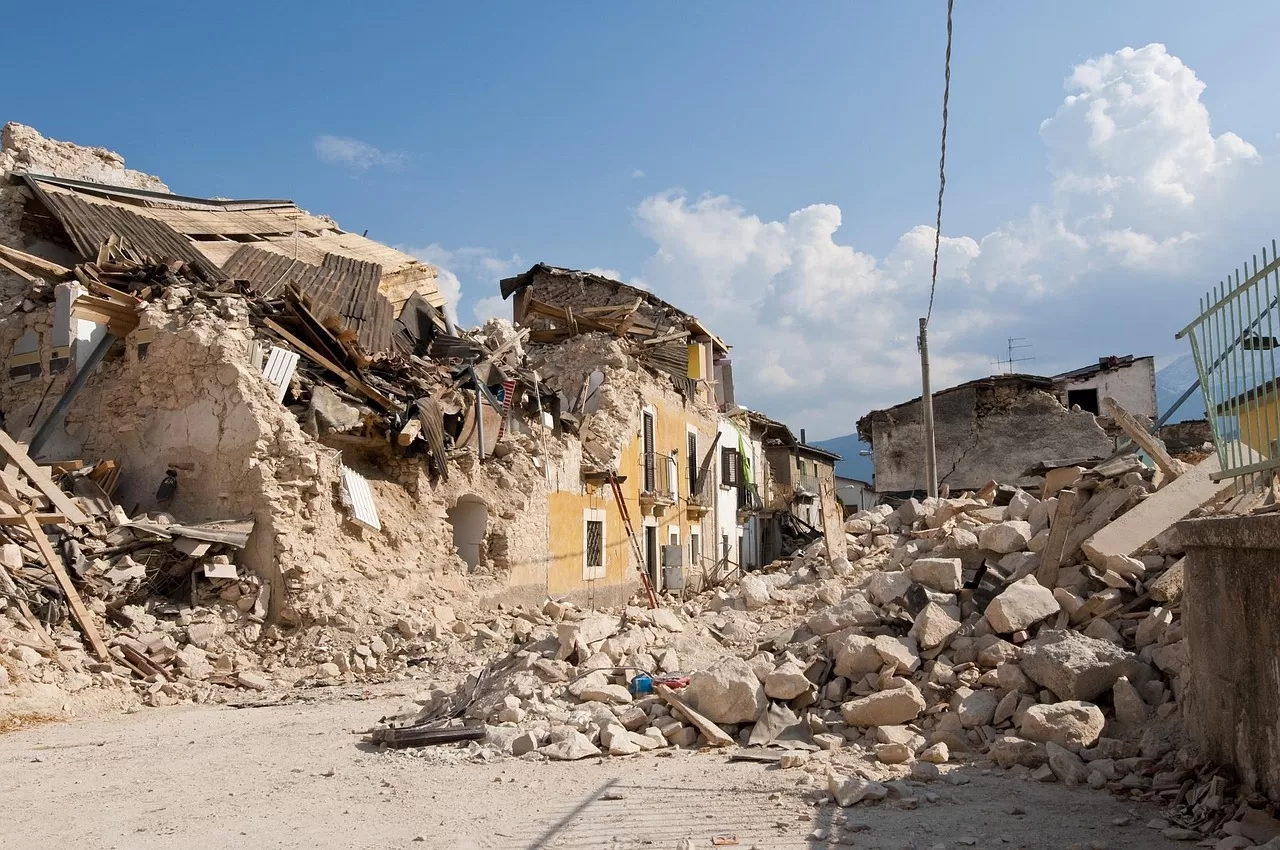
The WHO has intensified its emergency response following a devastating 6.0-magnitude earthquake that struck Afghanistan’s Eastern Region on August 31, 2025, killing over 1,457 people and injuring more than 3,394.
The earthquake’s impact is compounded by Afghanistan’s fragile health system, strained by decades of conflict, recent displacement, and multiple disease outbreaks, with over 22.9 million people requiring urgent support in 2025.
The earthquake, centred near Jalalabad in Nangarhar province, destroyed over 6,782 homes, leaving thousands homeless and exposed to harsh conditions, with hospitals overwhelmed by patients requiring urgent surgery and critical care.
With swift international support, the WHO aims to save lives and protect vulnerable communities in the weeks ahead, addressing immediate medical needs and preventing further crises in Afghanistan’s earthquake-ravaged eastern provinces.
Dr. Mukta Sharma, WHO Deputy Representative in Afghanistan, stated, “When we speak of casualties, we are speaking of families and communities in crisis. Our teams are working around the clock to deliver lifesaving care in areas devastated by the earthquake. The needs are immense. We urgently require more resources to sustain our operations and prevent further losses.” Thousands of displaced families are living in overcrowded shelters with limited access to clean water and sanitation, raising concerns about potential disease outbreaks. The WHO has also highlighted an urgent need for mental health and psychosocial support to address the emotional toll on survivors.
The WHO’s efforts are part of a broader humanitarian response, with organisations like UNICEF, the International Federation of Red Cross, and Human Appeal USA also providing aid, including emergency supplies, shelter, and food parcels. The United Nations Office for the Coordination of Humanitarian Affairs (OCHA) reports ongoing search and rescue operations, with helicopters airlifting the injured to hospitals in Jalalabad and Asadabad.
The WHO’s immediate response includes delivering 23 metric tons of medicines and medical supplies, sufficient to treat over 2,000 patients, alongside deploying additional emergency health resources and staff to health facilities in the affected areas. Fifteen ambulances have been mobilised to transport the injured, and six mobile health teams are providing first aid, outpatient care, maternal and child health services, vaccinations, and essential medicines in the hardest-hit districts. To alleviate pressure on hospitals, WHO has distributed 24,000 units of intravenous fluids and deployed 17 surveillance teams to monitor health conditions and prevent disease outbreaks.
Dr. Jamshed Tanoli, WHO Health Emergency Team Lead in Afghanistan, emphasised the critical timeline: “Every hour counts. Hospitals are struggling, families are grieving, and survivors have lost everything. With timely support, we can expand trauma care, prevent disease, and provide vital mental health services. Without it, lives will continue to be lost.” The US$4 million appeal aims to fund lifesaving health interventions, expand mobile health services, and support water, sanitation, and hygiene activities in affected districts.
-global bihari bureau