Sudan Conflict Fuels Hunger, Disease and Displacement
Attacks on Health Care Worsen Sudan Child Crisis
UN Urges Action as Famine Spreads Across Sudan
Geneva/New York: Children in Sudan are facing catastrophic levels of hunger and disease as relentless violence, blocked humanitarian access and repeated attacks on health services continue to undermine relief efforts, the United Nations Children’s Fund (UNICEF), the World Health Organization (WHO) and the Office of the UN High Commissioner for Human Rights (OHCHR) warned on Tuesday in a joint humanitarian alert.
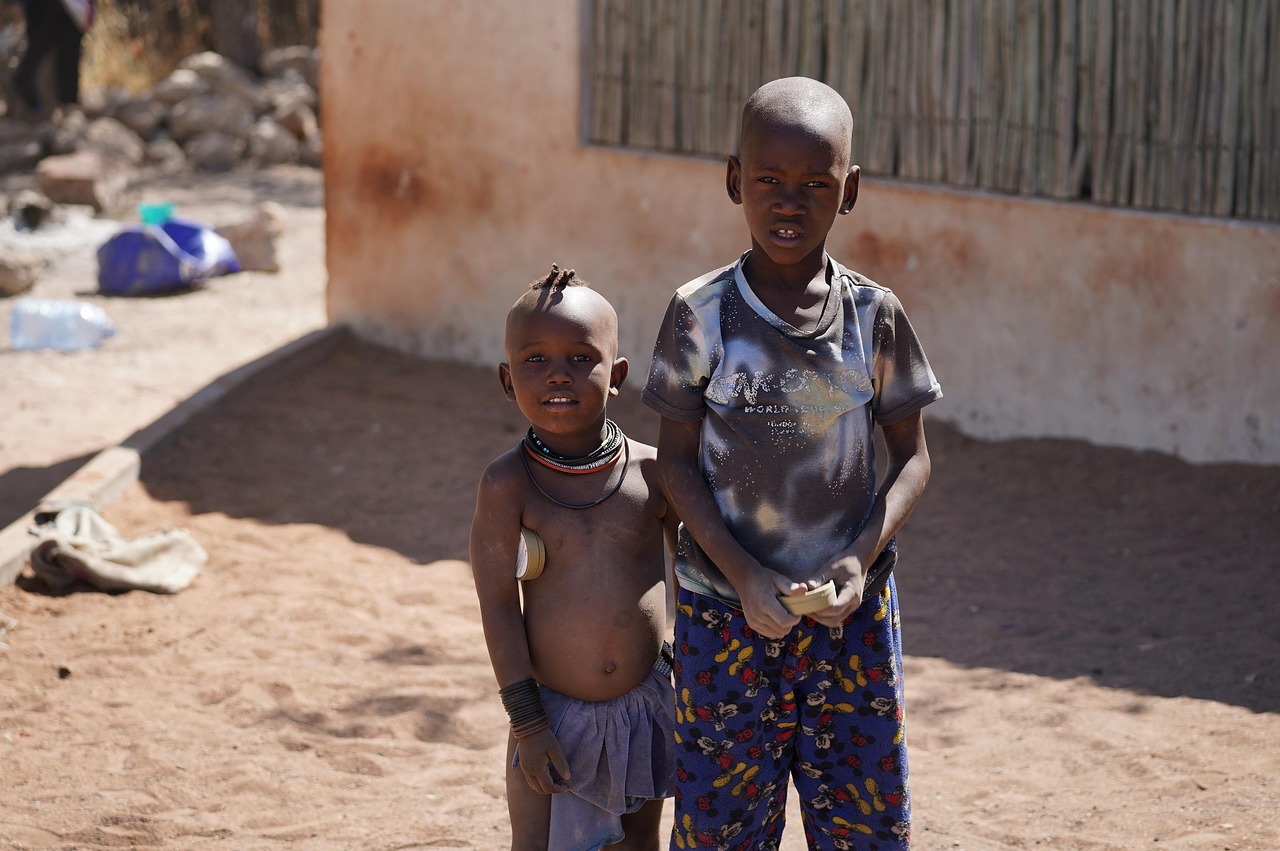
Ricardo Pires, spokesperson for UNICEF, said that in parts of North Darfur, more than half of all children are now acutely malnourished. His remarks followed the release of new data from the Integrated Food Security Phase Classification (IPC), a UN-backed global food security monitoring system, covering three localities in North Darfur — Um Baru, Kernoi and At Tine — which show “catastrophic” levels of malnutrition.
“Extreme hunger and malnutrition come for children first, the youngest, the smallest, the most vulnerable,” Pires said. “In Sudan, it’s spreading. These are children between six months and five years old, and they are running out of time.”
He warned that famine thresholds for malnutrition have now been exceeded in areas not previously considered at high risk, including Um Baru and Kernoi. Conflict, mass displacement, the collapse of essential services and severely restricted humanitarian access have combined to create starvation conditions in these localities, conditions that Pires said are now present across vast parts of Sudan. “If famine is looming there, it can take hold anywhere,” he said.
Disease is compounding the crisis for children already weakened by hunger. Pires noted that nearly half of all children in At Tine had been sick in the two weeks preceding the latest assessment. Fever, diarrhoea and respiratory infections, along with low vaccination coverage, unsafe drinking water and a collapsing health system, are turning normally treatable illnesses into fatal threats for malnourished children.
“These children are not just hungry,” he said. “Nearly half of them have been ill recently. Unsafe water, weak vaccination and a broken health system are turning treatable diseases into death sentences.” He urged the international community to “stop looking away” from Sudan’s children, stressing that more than half of the children in Um Baru are “wasting away while we watch.” “That is not a statistic,” he added. “Those are children with names and a future that are being stolen.”
Nearly three years after the war erupted in April 2023 between the Sudanese Armed Forces and the Rapid Support Forces, the humanitarian toll continues to deepen. UN figures show that 13.6 million people have been forced to flee their homes, including 9.1 million displaced within Sudan itself, making it one of the largest displacement crises in the world.
Dr Shible Sahbani, WHO’s representative in Sudan, told reporters that displaced communities require urgent medical care while the country’s health system has been “ravaged” by attacks, destruction and loss of equipment and supplies, shortages of health workers and a lack of operational funding.
Since the start of the conflict, WHO has verified 205 attacks on health care, resulting in 1,924 deaths and 529 injuries. Dr Sahbani said such attacks deprive communities of medical services for years to come, instil fear among patients and health workers and create nearly insurmountable barriers to life-saving treatment. At the same time, Sudan is grappling with multiple disease outbreaks, including cholera, malaria, dengue and measles.
While WHO and its partners are supporting responses to these outbreaks, Dr Sahbani stressed that greater humanitarian access and stronger protection of health workers and medical facilities are urgently needed in line with international humanitarian law. “Patients and healthcare workers should not risk death while seeking and providing care,” he said. “Above all, we call for peace. Peace is long overdue for Sudan.”
The warning was echoed by UN High Commissioner for Human Rights Volker Türk, who on Monday briefed the Human Rights Council in Geneva on what he described as a “preventable human rights catastrophe” in Sudan. He referred in particular to events in North Darfur’s capital, El Fasher, where thousands of people were killed within days last October following an 18-month siege of the city, according to testimonies gathered by his Office.
Türk cautioned that similar abuses could now be repeated in the Kordofan region, raising fears of a new cycle of large-scale civilian harm.
Responding to questions from journalists about the involvement of other countries in the conflict, his spokesperson Ravina Shamdasani said the High Commissioner remained deeply concerned about the role of external actors, whether through direct participation, the presence of mercenaries on the ground, or the provision of arms, intelligence, funding or other forms of support. She also highlighted worries about involvement in the political economy of the conflict, warning that such dynamics risk prolonging violence and suffering.
She said the High Commissioner has repeatedly called on all States with influence to use that influence to bring the conflict in Sudan to an end, stressing that without decisive international action, children and civilians will continue to bear the brunt of a crisis that UN officials describe as both foreseeable and preventable.
– global bihari bureau