Geneva/Tel Aviv: Continued killings and injuries of Palestinians desperately seeking food at aid sites in southern Gaza were reported today, compounding the toll of 613 deaths at or near such sites since late May, as the United Nations detailed a deepening humanitarian crisis, while the Israeli Defense Forces (IDF) dismissed allegations of extensive casualties as lies propagated by Hamas to disrupt aid distribution.
“The reports of allegations of extensive casualties in the aid distribution centres are lies. This is yet another propaganda effort by the terrorist organisation Hamas, as part of its broader plan to disrupt the aid distribution. Unfortunately, these lies are echoed day after day,” IDF spokesperson Brigadier General Effie Defrin had stated yesterday. Today Prime Minister Benjamin Netanyahu announced deaths of two Israeli soldiers fell in combat in the Gaza Strip. Netanyahu commented, “The whole nation grieves over the loss of our soldiers who fought courageously in the campaign to defeat Hamas and release our hostages.”
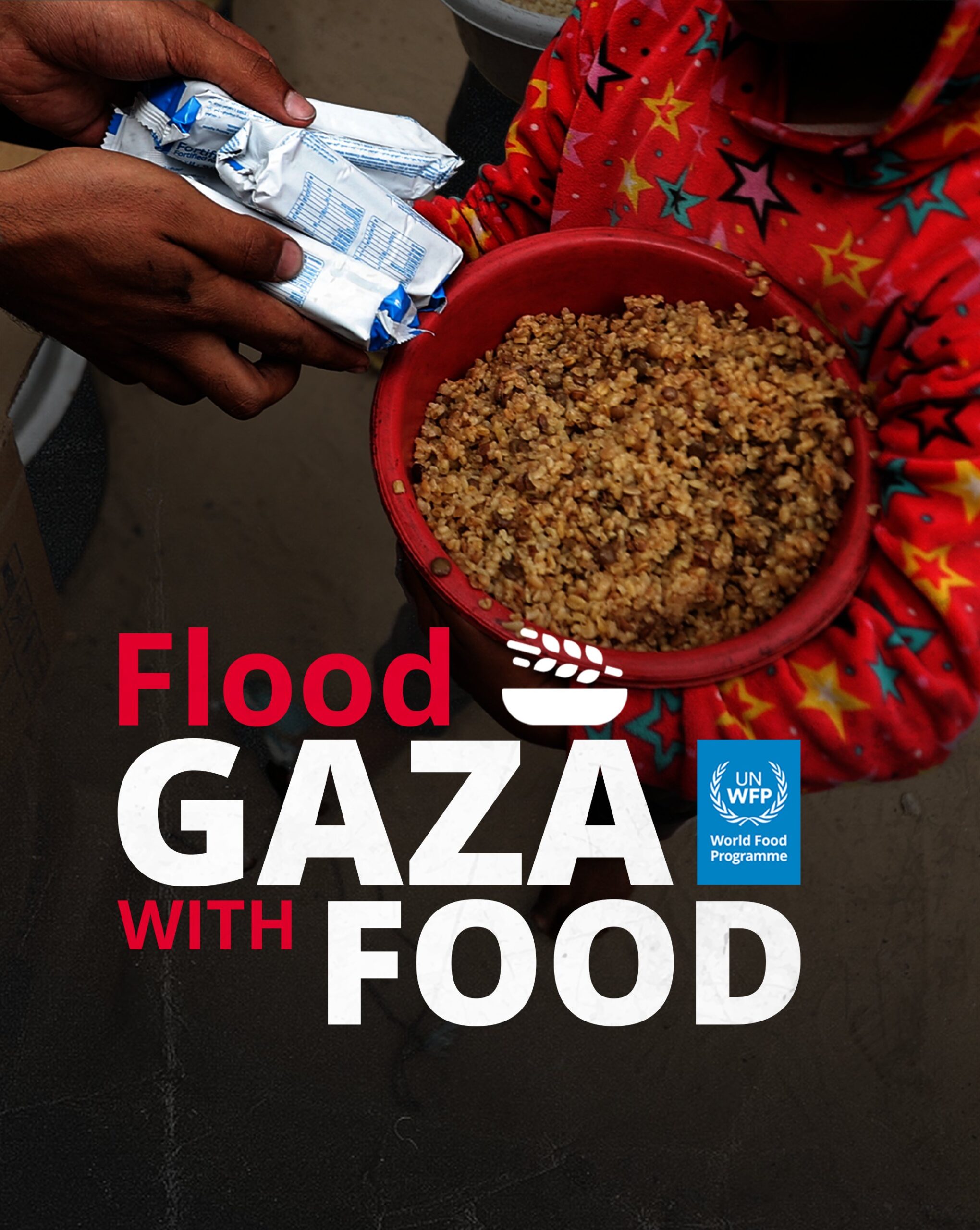
The World Health Organization (WHO) and the United Nations Office of the High Commissioner for Human Rights (OHCHR) reported these casualties at a press briefing today, attributing the deaths to attacks at militarized aid sites operated by the Gaza Humanitarian Foundation (GHF), a United States and Israel-backed entity that has sidelined UN-led aid efforts since May 27, 2025. Amid rising hopes for a new ceasefire, the UN called for an immediate halt to the “senseless killing” and for Gaza to be flooded with food to end the chaotic scramble by its starving population, while the IDF emphasised ongoing efforts to deliver nearly one million food packages despite operational challenges.
Dr. Rik Peeperkorn, WHO’s representative in the occupied Palestinian territory, speaking from Deir Al-Balah in central Gaza, reported scores of Palestinians killed and injured in multiple attacks while attempting to access food at GHF’s “so-called ‘safe’ non-UN food distribution sites,” which UN Secretary-General Antonio Guterres has deemed “inherently unsafe.” He described the desperation driving these incidents, stating, “Life is almost like it’s worth one bag of flour… That’s the insane thing happening.” During a visit on Thursday to Nasser Medical Complex in Khan Younis, Dr. Peeperkorn observed the hospital operating as “one massive trauma ward,” overwhelmed by daily injuries in the tens and hundreds for weeks, due to critical shortages of fuel and medical supplies. He witnessed patients undergoing intubation procedures on the hospital floor and met a 13-year-old boy shot in the head, rendered quadriplegic, and fighting for his life, whose father, “completely traumatised and overwhelmed,” pleaded, “You need to assist me. My boy needs to be medevac’ed out.” Dr. Peeperkorn noted that most casualties, primarily young boys, were shot in the head, neck, chest, abdomen, or knees while seeking food for their families, adding, “No parent is prepared to witness this. There is no roadmap for this kind of heartbreak.”
Since the two-month ceasefire ended on March 18, 2025, only seven medical evacuations have been permitted, involving 370 patients and 504 companions, the latest to Jordan and Türkiye on Wednesday, against an estimated 10,000 needing urgent care, according to WHO estimates. Dr. Peeperkorn called for all evacuation routes, including to East Jerusalem and the West Bank, to open immediately. He attributed the violence to a “trickle” of aid entering Gaza after a 12-week Israeli blockade, noting that during the ceasefire, looting and violence around aid sites subsided when the UN and its partners could deliver significant aid quantities. He insisted that Gaza “needs to be flooded by food” to end the chaos around the few aid trucks, exacerbated by the blockade’s restrictions. With international media access to Gaza completely blocked, Dr. Peeperkorn urged journalists to visit Nasser Medical Complex to witness the crisis firsthand, stating, “You could witness it for yourself and you could ask those patients, you could ask the fathers and you could ask their friends” about the violence at aid sites.
OHCHR spokesperson Ravina Shamdasani reported 613 killings at or near GHF points and humanitarian convoys from May 27 to June 27, with 509 specifically at GHF distribution sites, based on data directly reported to WHO by health workers, victims’ families, and friends. She noted ongoing efforts to corroborate new accounts of casualties, emphasising the challenges due to restricted access, stating, “International press is not being allowed, and neither are we. We are doing what we can to try to verify these figures, but there’s a time lag, and we will perhaps never be able to grasp the full scale of what’s happening here because of the lack of access.”
However, yesterday, IDF spokesperson Brigadier General Effie Defrin rejected allegations of extensive casualties at aid distribution centers, stating, He highlighted that the IDF, alongside an American civilian organization, has facilitated the delivery of nearly one million food packages to Gaza civilians, despite Hamas’s efforts to disrupt aid distribution and its interest in reinstating the United Nations Relief and Works Agency (UNRWA), which he claimed is necessary for Hamas’s survival. Defrin described the aid distribution as an evolving operation, with the IDF learning from each event to improve and prevent future incidents, while operating in a dense combat zone with complex challenges. He noted that the IDF is working to enable humanitarian aid distribution at the centres, with residents showing up daily despite Hamas’s objections.
The WHO and OHCHR reiterated urgent calls for an end to the violence, increased humanitarian access, and a sustainable ceasefire to address the catastrophic hunger crisis affecting Gaza’s population.
– global bihari bureau