Humanitarian Alarm as Iranian Protests Turn Deadly
Communications Blackout Deepens Crisis in Iran Cities
Trump Urges Iranians to Protest Amid Rising Deaths
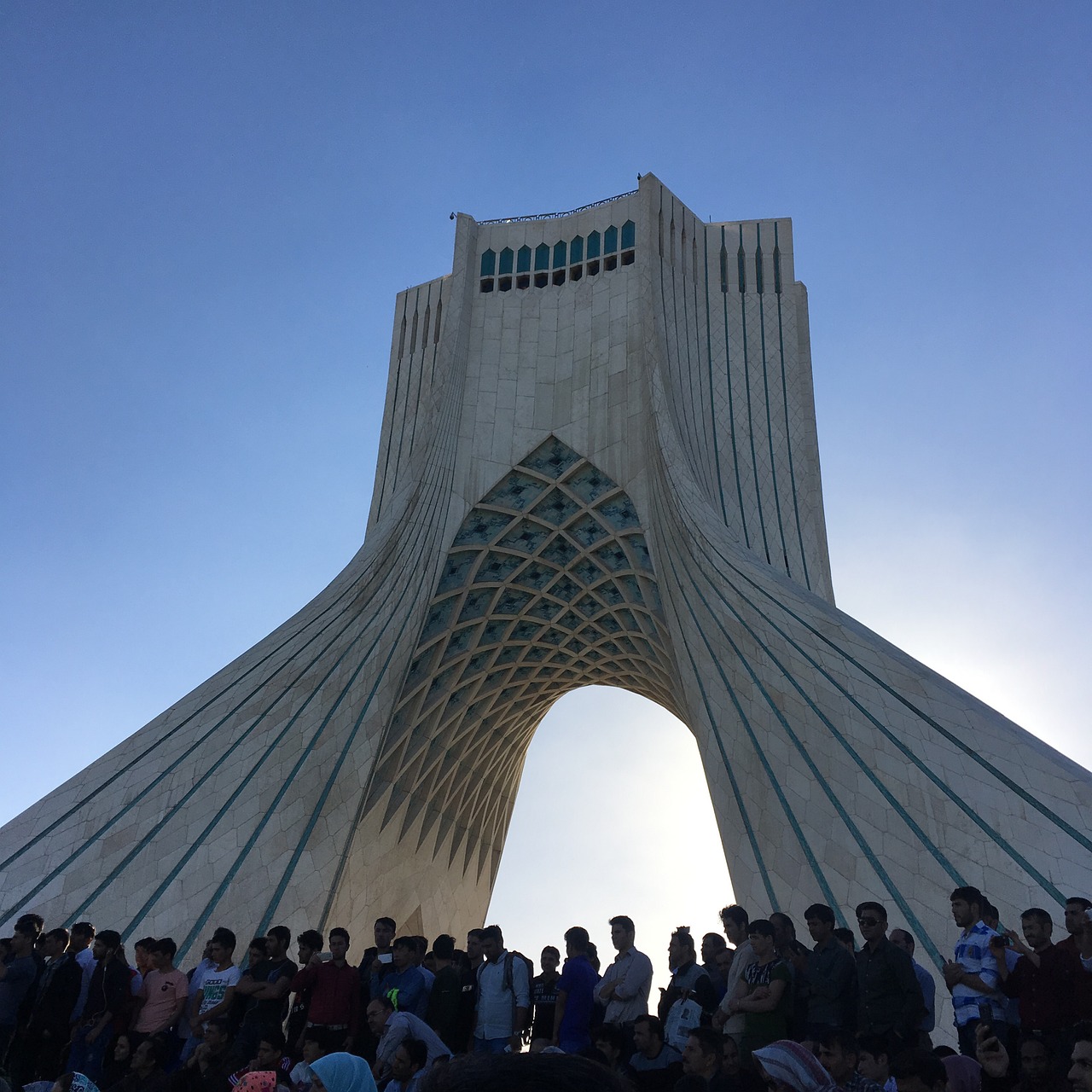
Geneva/New York: Iran is confronting an unprecedented domestic crisis as nationwide protests, initially triggered by the sudden collapse of the Iranian rial, record-high inflation, and deepening economic hardship, have escalated into widespread violence, mass arrests, and a humanitarian emergency drawing global attention. Citizens across at least forty-six cities, including Tehran, Mashhad, Isfahan, Shiraz, Ahvaz, Qom, Kermanshah, Yasuj, Lorestan, and Ilam, have taken to the streets demanding economic relief, political accountability, and greater civil rights. Since January 8, 2026, a near-total communications blackout has rendered mobile networks, internet, landlines, and GPS largely inoperative, obstructing independent reporting, emergency response, and family communication.
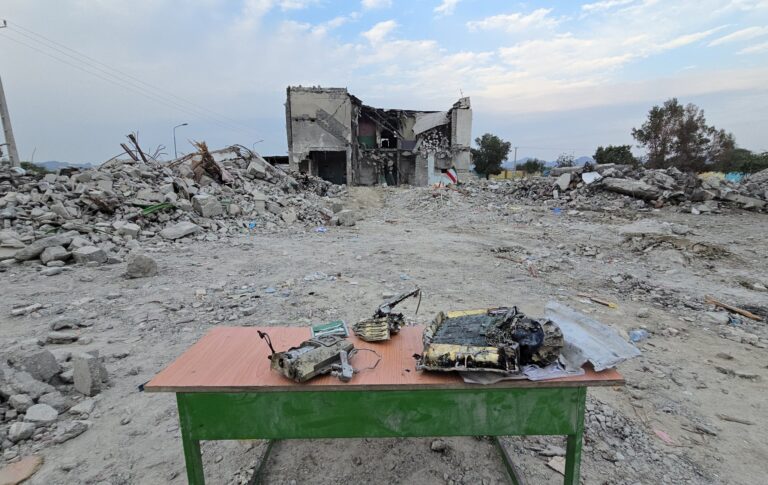
Multiple verified sources, including Reuters, report that Iranian officials have cited nearly 2,000 deaths, while the United Nations High Commissioner for Human Rights, Volker Türk, stated in Geneva that “hundreds” have been killed, emphasising the difficulty of precise verification due to the ongoing internet shutdown and restricted access to affected areas. Hospitals across the country are overwhelmed, struggling to cope with large numbers of injured, including children. Eyewitness accounts describe ambulances unable to reach casualties, hospitals short-staffed, and medical personnel beaten while assisting the wounded. The UN Independent International Fact-Finding Mission on Iran, established under resolution S35/1 by the United Nations Human Rights Council in November 2022 and extended through resolutions 55/19 (April 2024) and HRC/58/21 (April 2025), has documented lethal force against demonstrators, arbitrary arrests, attacks on medical facilities, and coerced confessions, warning that these actions violate international human rights law and international norms.
City-level reporting compiled by the Fact-Finding Mission and corroborated by international media illustrates the scale and severity of the crackdown. In Tehran, Mashhad, and Isfahan, security forces reportedly fired live ammunition, metal pellet shotguns, and tear gas into dense crowds. Shiraz and Ahvaz experienced targeted use of water cannons and live fire across multiple districts, while in Qom and Yasuj, children were among the casualties. Ethnic minority regions in Lorestan and Ilam experienced especially severe repression, including hospital raids, beatings of medical staff, and at least eight and five deaths, respectively. Members of security forces have also reportedly died in clashes. Over 2,600 individuals, including at least 113 children, have been detained nationwide, many without access to legal counsel or family, while state media broadcast at least forty confessions from detainees, including minors, many allegedly coerced, reinforcing the government narrative portraying protesters as criminals or terrorists.
The Iranian leadership has intensified hardline rhetoric and judicial measures. Supreme Leader Ayatollah Ali Khamenei called for decisive action against protesters. President Mohammad Pezeshkian labelled demonstrators as “rioters” and “terrorists” and directed security forces to act decisively. Head of the Judiciary Gholamhossein Mohseni-Ejei instructed that no leniency be shown and that those accused of moharebeh (enmity against God) face expedited proceedings, which carry the death penalty. Reports indicate that several death sentences have already been issued. The Supreme National Security Council formally ordered a “decisive” crackdown without restraint.
The United Nations has repeatedly expressed concern, though its operational capacity is constrained. During a 13 January 2026 press briefing, United Nations spokesperson Stéphane Dujarric addressed detailed questions on casualty verification, potential Security Council intervention, and the UN’s posture in Iran. He explained that while credible press reports and statements from Iranian officials indicate an unacceptably high death toll, UN staff are primarily engaged in humanitarian and development work and lack a dedicated human rights presence capable of independent verification. When asked whether the Secretary-General could protest or initiate an international investigation, Dujarric clarified that such action would require a mandate from a UN legislative body. He emphasised that the UN’s focus remains on civilian protection, promotion of diplomacy, and safeguarding the right to peaceful protest.
UN human rights experts have condemned the use of lethal force, arbitrary arrests, attacks on hospitals, and coercion of detainees. Volker Türk stressed that labelling protesters as terrorists to justify violence is unacceptable and called for immediate accountability. The UN Fact-Finding Mission corroborated these findings, documenting systemic violations in ethnic minority regions, hospital raids, and excessive use of force, and emphasising that all deaths, injuries, and arrests must be independently investigated.
The crisis has also taken on a geopolitical dimension. On 13 January 2026, United States President Donald J. Trump, in verified social media posts, urged Iranians to “keep protesting” and “take over your institutions,” warning that those responsible for killing demonstrators would “pay a big price” and announcing a 25 per cent tariff on countries continuing to trade with Iran. President Trump cancelled all meetings with Iranian officials, and Pentagon sources confirmed that military strike options were provided to the President, though no action has been taken. The Iranian government condemned these statements as interference in domestic affairs. UN spokesperson Stéphane Dujarric acknowledged these pronouncements, reiterating that the UN’s priority is the protection of civilians, promotion of diplomacy, and prevention of rhetoric that could exacerbate the crisis or lead to military escalation.
Eyewitness accounts depict a humanitarian catastrophe. Hospitals report mass casualties, shortages of supplies, and staff under threat. Families continue to search for missing relatives without information due to communications blackouts. Children are among the injured and detained, and coerced confessions have included minors. The protests reflect broader socio-political grievances, following earlier movements such as the 2022 Women, Life, Freedom campaign and 2025 truck driver and prisoner demonstrations. Authorities have consistently responded with lethal force, expedited judicial proceedings, and suppression of communications, creating a climate of fear and limiting independent monitoring.
Internet and telecommunications shutdowns have compounded the crisis, reducing connectivity to approximately 1 per cent of normal levels and obstructing emergency response, family communication, and reporting. UN experts reiterate that such measures violate citizens’ rights to freedom of expression and access to information.
Despite the repression, Iranian society continues to mobilise. Citizens demonstrate resilience in demanding transparency, civil liberties, and political accountability. Analysts note that the combination of domestic grievances, systemic repression, communication blackouts, and international interventions—including tariffs and potential military options—creates a highly volatile environment, with the potential for further escalation if restraint, accountability, and dialogue are not pursued.
The UN Fact-Finding Mission continues to call for immediate restoration of internet access, adherence to international human rights law, unimpeded access for humanitarian and medical personnel, and independent investigations into all deaths, injuries, and arbitrary detentions. Compiled reports from the United Nations, the Fact-Finding Mission, and eyewitness testimony confirm an unprecedented convergence of human suffering, state repression, and geopolitical tension, leaving Iran at a critical crossroads where leadership choices, international responses, and civic resilience will determine whether the unrest escalates further or a path toward accountability, protection of rights, and dialogue can emerge.
– global bihari bureau