UN Urges Ceasefire as Gaza Winter Brings Humanitarian Peril
Gaza/Geneva: As winter approaches, the streets of northern Gaza lie almost unrecognisable. Rubble from destroyed homes mingles with dust-strewn roads, while the sound of distant shelling punctuates a chilling silence. Amid this chaos, hundreds of thousands of families are fleeing south, seeking refuge in cramped coastal settlements that were never built to accommodate such numbers. UN agencies on Tuesday warned that without an immediate ceasefire, the coming months could become catastrophic for the enclave’s most vulnerable—particularly children.
The call comes as speculation swirls over a new 20-point United States peace plan, and just days after former President Donald J. Trump reportedly met Israeli Prime Minister Benjamin Netanyahu on 29 September to discuss proposals for a temporary halt in hostilities, potentially allowing humanitarian access.
UNICEF spokesperson Ricardo Pires painted a stark picture: “It’s important that we get that ceasefire and then get aid flowing—not only to prevent famine but also to ensure children and families are sheltered.” He noted that around 400,000 people have been displaced, moving from northern Gaza to southern areas such as Al-Mawasi, a tented settlement struggling to absorb the influx. “The conditions here are dire. Overcrowding, lack of sanitation, limited food and water—all of these create a whole different range of issues,” Pires said.
Logistical obstacles are compounding the crisis. UNICEF has 11,000 tents and tarpaulin sheets ready for deployment, yet access remains inconsistent. Jens Laerke, the United Nations Office for the Coordination of Humanitarian Affairs (OCHA) spokesperson, described the situation as “chaotic,” explaining that many aid deliveries are blocked or delayed, sometimes due to non-facilitation by the Israeli side, other times by unpredictable circumstances on the ground. He added that more than 40 per cent of humanitarian missions requiring coordination with Israeli authorities were denied last Sunday, further straining relief efforts.
Despite these hurdles, aid agencies are trying to mitigate the impact. 137 community kitchens prepared and delivered 660,000 meals last week, providing a lifeline for families trapped in displacement zones. Still, the supply of food, medicine, and shelter remains vastly insufficient. In some instances, desperate civilians have forcibly taken aid from trucks, and OCHA reports indicate that a few shipments have fallen into the hands of armed groups, underscoring the precarious nature of humanitarian operations in the midst of ongoing conflict.
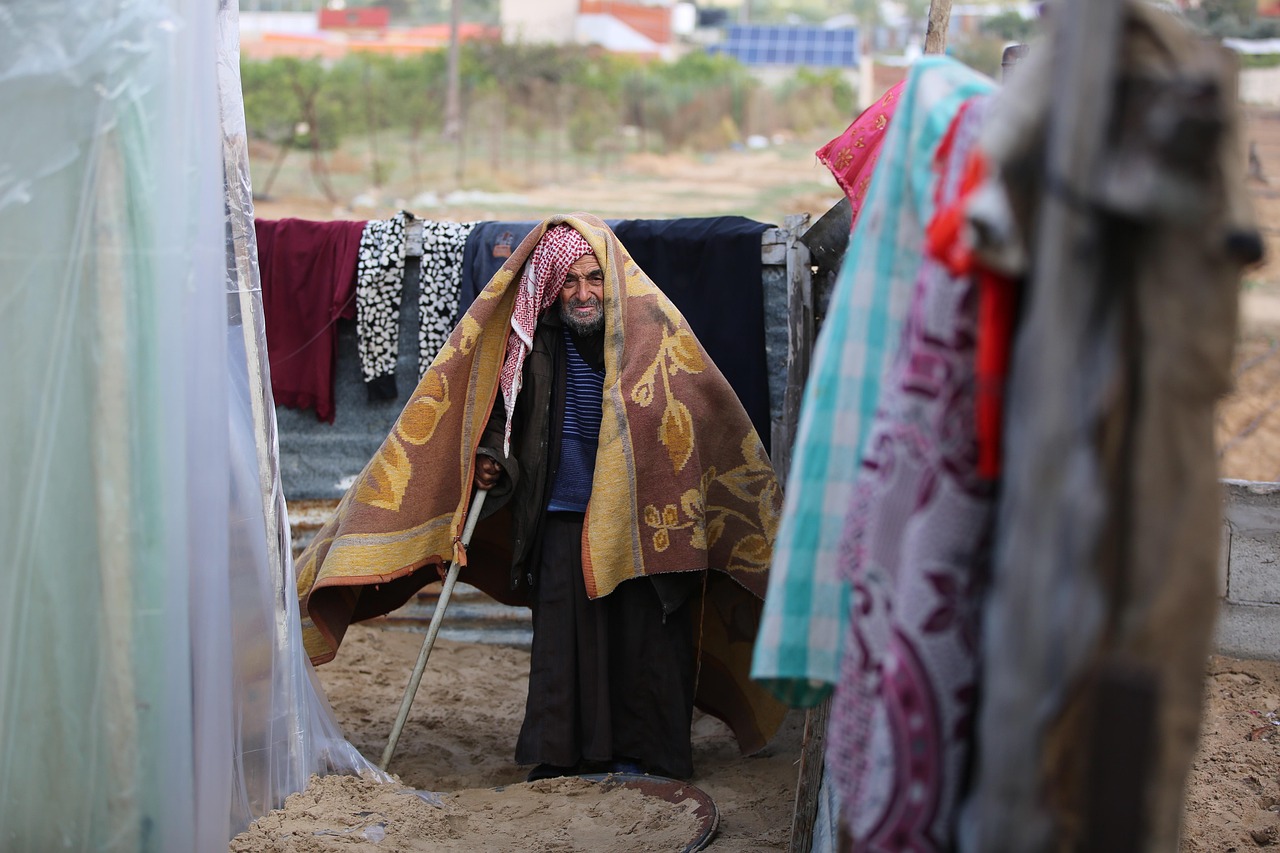
Winter brings added urgency. Pires warned that “falling temperatures will create new health challenges, especially for children. Exposure, respiratory illnesses, and malnutrition risks will rise dramatically.” Medical facilities, already stretched thin, are unable to cope with the influx of patients. Families sleeping in tents face chilling nights, with little protection against cold winds and rising disease.
UN officials emphasised that an immediate ceasefire is not just a humanitarian imperative but a practical necessity to allow structured, well-coordinated relief operations. Without a pause in the fighting, the aid that does arrive cannot reach those who need it most.
The situation has also caught the attention of the international community. The Trump-Netanyahu talks reportedly included discussions on facilitating temporary hostilities pauses to enable aid access, though details remain sparse. UN agencies stress that even a short-term ceasefire could dramatically improve living conditions for tens of thousands of displaced families.
For the people of Gaza, the coming days are crucial. Children like 8-year-old Amina, who fled her home in Gaza City with her family, face a perilous winter without sufficient food, clean water, or shelter. “We have nowhere to go, it’s very cold at night, and we are always hungry,” she told UN workers. Such voices underscore the urgency of the UN’s appeal: without immediate action, the humanitarian disaster could worsen beyond recovery.
UNICEF and OCHA continue to coordinate with local and international partners, advocating for the rapid deployment of supplies and unimpeded access to affected populations. The agencies stress that the humanitarian effort is only as effective as the cooperation and security granted to those operating on the ground.
As winter deepens and Gaza’s population faces increasing displacement and vulnerability, the UN’s calls for a ceasefire echo across diplomatic corridors, while international scrutiny intensifies. The hope is that coordinated efforts, combined with political will—including potential measures discussed in Washington and Tel Aviv—can prevent the suffering from escalating further and allow Gaza’s civilians a measure of relief before the harsh winter sets in.
– global bihari bureau