Gaza Farms Near Collapse as Famine Looms; Ceasefire Unlocks Aid Path to Food Recovery
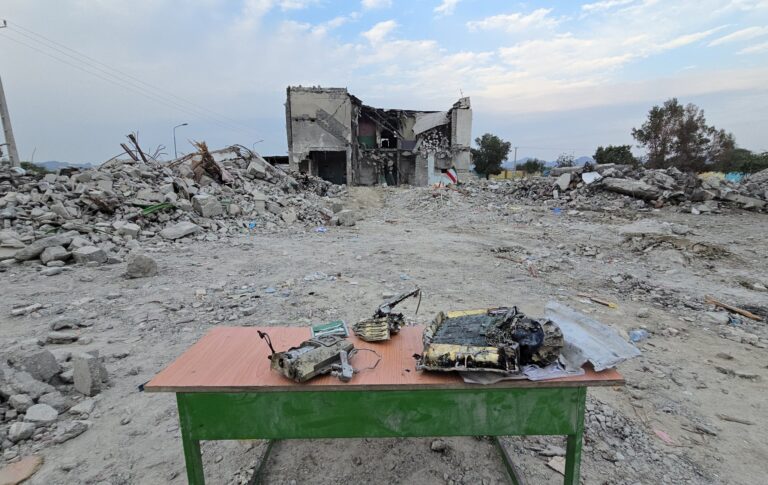
Rome: A temporary ceasefire in the Gaza Strip, effective since early October 2025, has provided a limited window for humanitarian efforts to address the near-total collapse of local agriculture, which underpins food production for approximately 2.1 million residents. However, escalating damage documented in a joint geospatial analysis by the Food and Agriculture Organization of the United Nations (FAO) and the United Nations Satellite Centre (UNOSAT), released on October 31, 2025, reveals that 87 percent of the territory’s cropland—over 15,000 hectares in total—has been impaired, leaving virtually no viable land for cultivation without intervention. This destruction, combined with barriers to aid delivery and widespread displacement, has plunged the entire population into high levels of acute food insecurity, with famine conditions confirmed in the Gaza Governorate and projected to spread to additional areas by late September 2025, according to the Integrated Food Security Phase Classification (IPC) system.
The FAO-UNOSAT assessment, derived from satellite imagery including Sentinel-2, Worldview, and Pléiades data spanning 2017 to late September 2025, tracks a steady worsening of agricultural assets throughout the year. Damage to cropland rose from 80 per cent in April 2025 (affecting 12,537 hectares out of 15,053) to 86 per cent by July and 87 per cent by late September, with only 1.5 per cent of land both accessible and undamaged by mid-year, down from 4.6 per cent earlier. Proportional impacts are highest in the North Gaza and Gaza City governorates, at 94 per cent and 91 per cent respectively, while Khan Younis records the largest absolute affected area, exceeding 3,500 hectares. Across crop categories, permanent orchards and tree coverings show 89 per cent impairment, open-field crops 88 per cent, and vegetable plots 80 per cent, with olive orchards—once a staple—hit hardest at 90 per cent.
Protected cultivation facilities, essential for year-round vegetable output, have deteriorated from 71 per cent damaged in April to 80 per cent by October, equating to more than 1,000 hectares lost across Deir al-Balah, Gaza, Khan Younis, North Gaza, and Rafah governorates. The Gaza Governorate reports 100 per cent destruction, and North Gaza 99.8 per cent. Irrigation infrastructure has followed suit, with nearly 87 per cent of agricultural wells—totalling over 1,531 units reliant on groundwater—impaired by late September, up from 83 per cent in April and 82.8 per cent in July, severely curtailing water for crops and livestock. Earlier evaluations from early 2025 indicated over two-thirds of these wells were non-functional, compounding deficits in sustaining yields.
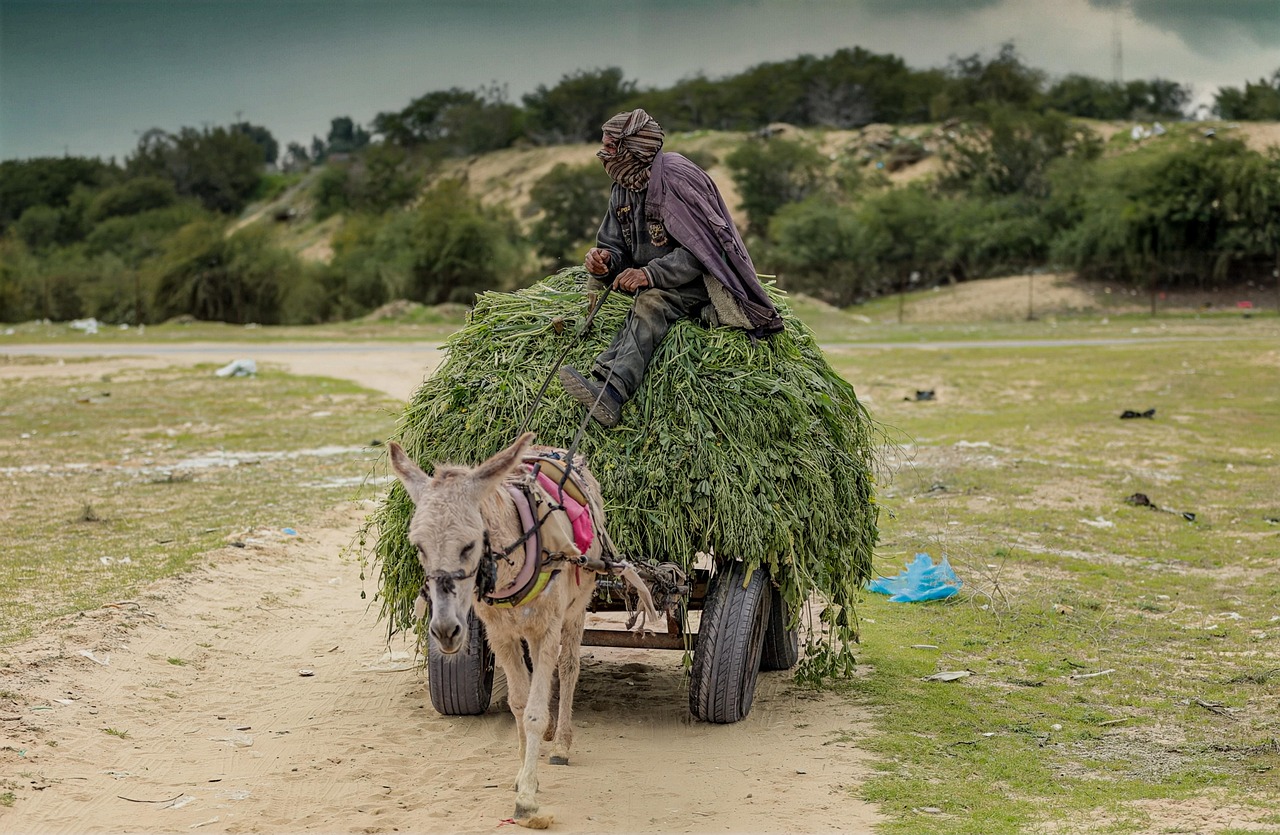
Support structures for animal husbandry and related activities have also incurred heavy losses, including 962 poultry farms, 924 home barns, and 689 sheep farms, with Khan Younis registering the highest number of affected sites. Fisheries, a primary protein source, remain largely inoperable due to access restrictions and equipment losses, while bakeries and markets function at reduced capacity amid disrupted supply chains. Pre-conflict agriculture contributed about 10 per cent to Gaza’s economy, but these impairments have halted local production of eggs, milk, meat, and fresh produce, eroding livelihoods for hundreds of thousands.
This agricultural breakdown has driven a humanitarian crisis of unprecedented scale, as outlined in successive IPC analyses. From April to May 2025, 93 per cent of the population—1.95 million people—faced Crisis or worse acute food insecurity (IPC Phase 3 or above), including 44 per cent (925,000) in Emergency (Phase 4) and 12 per cent (244,000) in Catastrophe (Phase 5). Projections for May to September 2025 anticipated the full population in Phase 3 or higher, with 22 per cent (470,000) in Phase 5 and famine thresholds met in the Gaza Governorate by August, extending to Deir al-Balah and Khan Younis. By mid-August 2025, over half a million people were trapped in famine, characterised by starvation, destitution, and preventable deaths, with another 1.07 million (54 per cent) in Phase 4 and 396,000 (20 per cent) in Phase 3. Updated estimates through late September project more than 640,000 in Phase 5 across the Strip, marking the first confirmed famine in the Middle East region and the most severe deterioration since IPC monitoring began.
Nutrition outcomes have surpassed famine benchmarks, with over 320,000 children under five at risk of acute malnutrition by mid-2025, including thousands in severe cases amid limited treatment availability. Through June 2026, at least 132,000 children under five—double prior May 2025 figures—are expected to suffer acute malnutrition, encompassing over 41,000 severe instances at heightened death risk, alongside nearly 55,500 malnourished pregnant and breastfeeding women needing urgent support. Food consumption has hit record lows, with more than one-third of households enduring days without meals, and over 500,000—about a quarter of the population—experiencing famine-like conditions. Malnutrition-related deaths, especially among infants, have been reported, exacerbated by collapsed health, water, and sanitation systems, alongside high water insecurity affecting 96 per cent of households by July 2025. Conditions in North Gaza are assessed as equally severe or worse, though data limitations persist due to depopulation in areas like Rafah.
The ceasefire, brokered by the United States and effective from October 10, 2025, introduces a time-sensitive chance for recovery, despite reported violations on both sides, including Israeli airstrikes killing dozens and accusations of breaches by Hamas. It has rendered 37 per cent of damaged cropland physically accessible for rehabilitation and cultivation, encompassing about 600 hectares of undamaged land primed for planting. Reachable greenhouse areas have expanded by 17 per cent, facilitating targeted restoration. The agreement’s initial phase includes partial Israeli troop withdrawal to a “yellow line” along northern, eastern, and southern borders, alongside increased aid entry—up to 600 trucks daily during a prior January 2025 truce—though current flows remain constrained, with the Rafah crossing intermittently closed.
FAO has launched preliminary initiatives under the ceasefire, such as cash assistance for small-scale planting in Khan Younis and distribution of over 2,100 tons of animal feed and veterinary kits to 4,800 herders. The organisation is preparing for a cross-sectoral rehabilitation push, prioritising agrifood infrastructure like greenhouses, wells, and solar systems, while scaling inputs for fisheries and livestock revival. Its 2025 Flash Appeal for the Gaza Strip, seeking 75 million dollars, has received only 10 per cent funding, limiting the scope. Beth Bechdol, FAO Deputy Director-General, stated that satellite evidence highlights the profound reduction in local food generation capacity, underscoring the imperative for prompt rehabilitation to protect employment and nutritional independence. She emphasised that the pause in hostilities offers a vital opening, contingent on unimpeded access.
FAO Director-General QU Dongyu, alongside leaders from the United Nations World Food Programme and UNICEF, has urged immediate, unrestricted humanitarian and commercial entry to prevent further starvation and disease outbreaks. Rein Paulsen, FAO’s Director of Emergencies and Resilience, stressed secure farmland access, investments in local systems, and safeguards for civilians and aid personnel to restart output. Abdulhakim Elwaer, FAO’s Assistant Director-General for the Near East and North Africa, described adaptations like cash support amid obstacles, but affirmed sustained access as foundational for enduring food stability. Agencies warn that absent a comprehensive response—including ceasefire compliance and service reinstatement—the agrifood system’s failure will endure, intensifying the crisis across Gaza.
– global bihari bureau