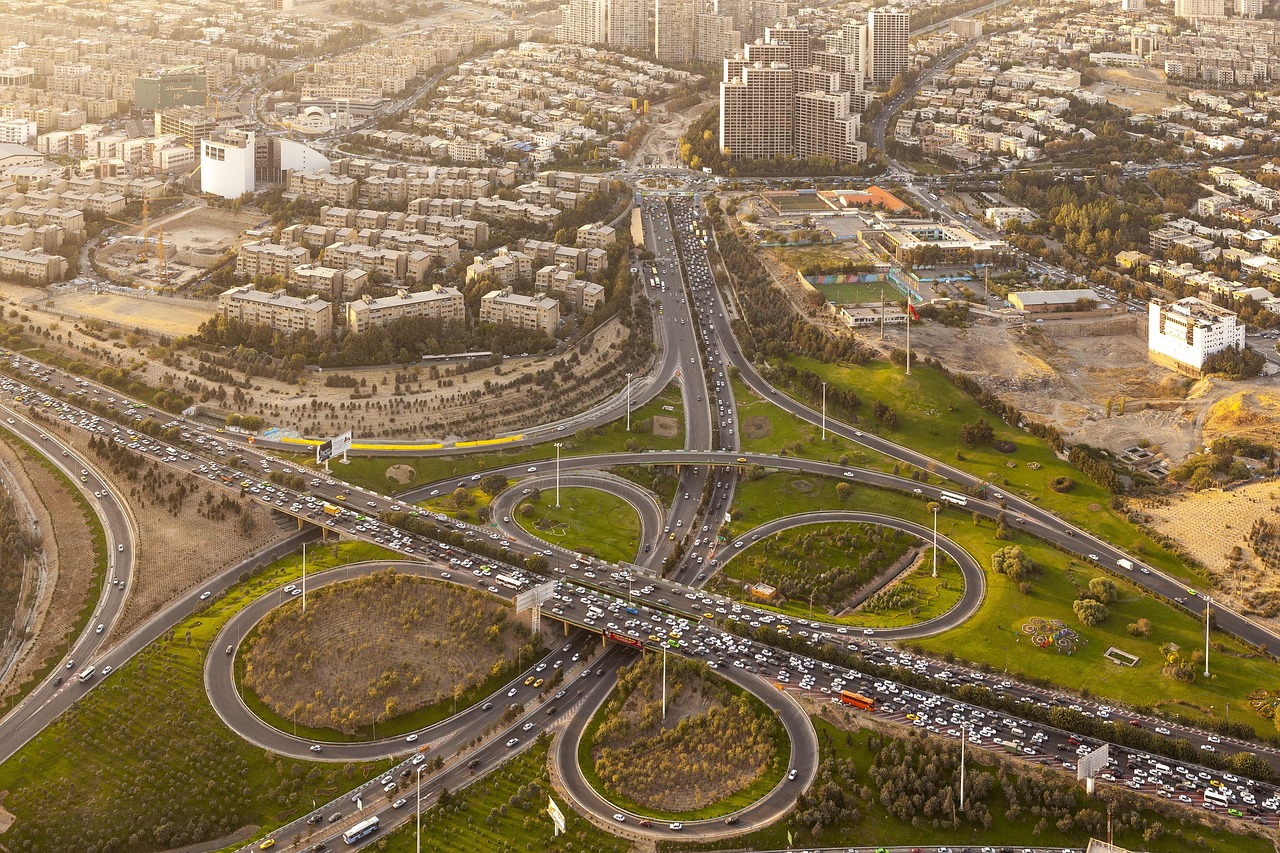
Tehran
Washington,/Tehran: The United States President Donald Trump’s latest sanctions, aimed at choking Hezbollah’s financial lifelines in Lebanon and Iran, have the White House heralding a decisive strike against Tehran’s terror network, but Iran’s sharp rebuke and a tense Middle East suggest this high-stakes gamble might be as divisive as it is disruptive.
On May 15, 2025, the U.S. Treasury and State Departments targeted four Hezbollah operatives, from cash couriers to global fund managers, accusing them of funnelling millions to the group’s coffers, a lifeline for its deadly operations. Deputy Secretary of the Treasury Michael Faulkender called it a direct hit on Hezbollah’s Tehran-backed schemes, part of Trump’s National Security Presidential Memorandum-2 to choke Iran’s terrorist proxies.
Yet, Iran’s Foreign Ministry fired back, branding the sanctions a roadblock to nuclear talks, and with diplomacy teetering, the question looms: are Trump’s measures cornering Iran or pushing it—and the region—toward a breaking point?
The sanctions strike at Hezbollah’s financial heart. Mu’in Daqiq Al-‘Amili, operating from Qom, Iran, shuttled cash from Iran to Lebanon, including $50,000 to Jihad Alami during the 2023-2024 Gaza conflict, likely headed for Hamas. Fadi Nehme, an accountant linked to Hezbollah’s finance chief Ibrahim Ali Daher, and Hasan Abdallah Ni’mah, steering millions across Africa, keep Hezbollah’s global machine running. Under Executive Order 13224, their assets are frozen, and U.S. transactions with them are banned, a move Faulkender says will cripple Hezbollah as it scrambles to recover from its 2024 clash with Israel. The State Department, vowing to free Lebanon from Iran’s grip, paints Hezbollah as a captor of the Lebanese people.
Trump’s campaign stretches further, targeting Iran’s military ambitions. On May 14, sanctions hit China- and Hong Kong-based suppliers feeding carbon fibre to the Islamic Revolutionary Guard Corps (IRGC) for its ballistic missile programme, which relies on units like the IRGC Aerospace Force Research and Self-Sufficiency Jihad Organisation (IRGC ASF RSSJO) to develop missiles capable of regional strikes. On May 12, sanctions targeted Iran’s Organisation of Defensive Innovation and Research (SPND), hitting researchers like Sayyed Mohammad Reza Seddighi Saber for nuclear-related work with potential military uses, such as explosives research applicable to nuclear devices.
On May 12, 2025, Iran’s nuclear researchers, like Sayyed Mohammad Reza Seddighi Saber, were hit for work with military potential, and on May 14, sanctions targeted China- and Hong Kong-based suppliers feeding Iran’s ballistic missile programme with carbon fibre, all under Executive Order 13382. In a May 15 call, Secretary of State Marco Rubio told Israeli Prime Minister Benjamin Netanyahu that Iran will never get a nuclear weapon, a red line earlier mentioned by US State Department spokesperson Thomas Pigott, who on May 13 said Iran faces a stark choice: prosperity or peril.
Iran, though, isn’t blinking. On May 13, Foreign Ministry spokesperson Esmaeil Baghaei slammed the sanctions as “not constructive,” warning they undermine nuclear talks. Iran’s President Masoud Pezeshkian’s X post (@DrPezeshkian) that day celebrated ties with Azerbaijan, hinting at a pivot to regional allies. Foreign Minister Abbas Araghchi on May 15 touted the European Union meetings, showing Iran weaving a diplomatic safety net to dodge U.S. pressure. This defiance suggests Tehran is betting on outlasting Trump’s squeeze, not bending to it.
The sanctions pack a punch. They’ve locked down Hezbollah’s cash flow, from Al-‘Amili’s Iran-Lebanon pipeline to Ni’mah’s African deals, and curbed Iran’s missile and nuclear tech, vital for its IRGC and SPND programmes. Pigott’s May 13 claim of “progress” in talks, paired with the threat of secondary sanctions, keeps the heat on Iran’s allies, like China-based suppliers now in the crosshairs. For Lebanon, the U.S. sees a chance to loosen Hezbollah’s chokehold, offering hope to a nation weary of its shadow. But cracks are showing. Baghaei signalled a refusal to budge, possibly banking on covert work—reports of undisclosed nuclear sites, dodged by spokesperson Tammy Bruce on May 8, fuel that fear. China, stung by the missile sanctions, may push back, straining U.S. ties at a delicate time. In the Middle East, Israel cheers Rubio’s hardline stance, but allies like Saudi Arabia, flush with a $600 billion investment deal Pigott touted, crave calm over chaos. Lebanon, where Hezbollah’s political muscle runs deep, could fracture further if the sanctions rally its base against U.S. meddling.
Enforcement is another hurdle. Iran’s knack for dodging sanctions, seen in its missile component production and Hezbollah’s global hustle, suggests it won’t fold easily. The SPND’s ongoing nuclear work, despite past sanctions, and the IRGC’s ability to adapt, like indigenizing carbon fibre, show a regime built to endure. Policing Ni’mah’s African networks or Iran’s proxies is no small feat, and Bruce’s cagey May 8 response on nuclear sites hints at gaps in U.S. leverage.
Trump’s vision, as Pigott framed it, is a thriving Middle East, but the sanctions’ ripple effects—angry allies, a defiant Iran, a volatile Lebanon—could derail that dream.
Pezeshkian’s Azerbaijan outreach and Araghchi’s European Union charm offensive on X show Iran playing a savvy game, not waving a white flag. The IRGC’s missile programme, despite the sanctions’ bite, still has room to manoeuvre, and the SPND’s nuclear work, rooted in decades of clandestine research, isn’t slowing down. With talks creeping forward, Pigott’s “progress” still a vague promise, the Middle East holds its breath.
Trump’s sanctions have landed punches, but without Iran bending—or a diplomatic win—they risk sparking a firestorm instead of a solution.
Trump’s sanctions are a bold swing, landing blows on Hezbollah’s wallet and Iran’s war machine. But without Iran buckling—its leaders’ X posts scream defiance, not defeat—or a diplomatic win, the measures risk sparking a firestorm instead of a solution.. As talks creep forward, with Pigott’s “progress” still vague, the Middle East watches, wondering if Trump’s pressure will tame Iran or tip a fragile region into deeper turmoil.
– global bihari bureau