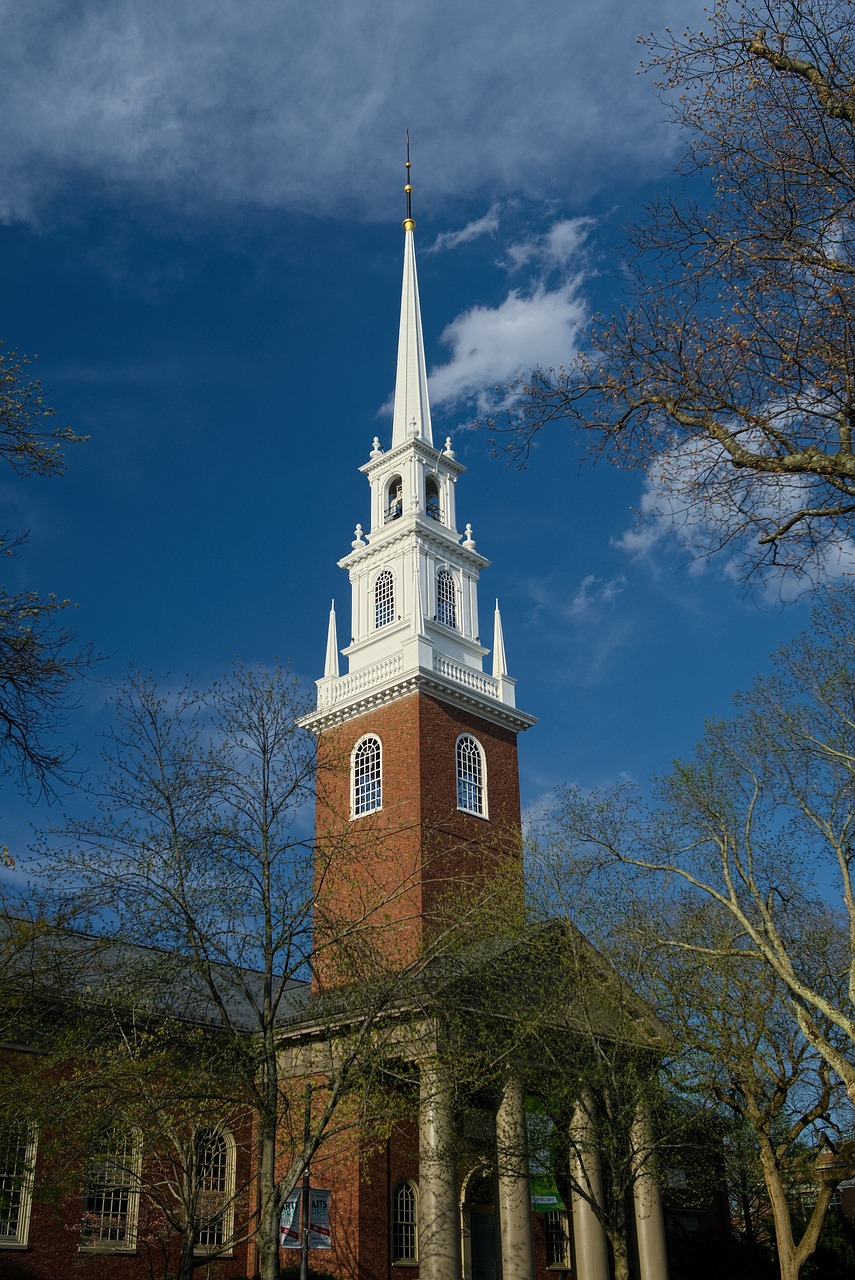
Harvard University
China Slams US for Politicising Harvard’s Role
Beijing/Washington: The Donald Trump administration’s decision to revoke Harvard University’s ability to enrol international students has ignited a diplomatic firestorm, with China accusing the U.S. of politicising education and the U.S. citing national security concerns. Announced by the US Department of Homeland Security on May 22, 2025, the policy forces thousands of international students, including a substantial number from China, to transfer to other institutions or face deportation.
The US justifies the unprecedented action with allegations that Harvard has coordinated with the Chinese Communist Party, fostered violence, and harboured antisemitism, alongside specific claims of ties to the sanctioned Xinjiang Production and Construction Corps (XPCC), a paramilitary group complicit in the Uyghur genocide and listed on the U.S. Treasury’s Specially Designated Nationals List since 2020. The US claimed that Harvard researchers have also collaborated with China-based academics on projects funded by an Iranian government agent and partnered with Chinese universities linked to military advancements, using US Department of Defense funds.
Chinese students comprise 20% of Harvard’s international cohort, and the ban could disrupt thousands of academic journeys and strain US-China relations further. As both nations trade accusations, the politicisation of education threatens a key pillar of bilateral cooperation. From Beijing and Washington, the eruption of a diplomatic firestorm now threatens to upend US-China academic ties and has drawn a fierce rebuke from Beijing.
In Beijing, Foreign Ministry Spokesperson Mao Ning delivered a sharp response today, condemning the US for politicising education. She argued that decades of academic cooperation have benefited both nations, and this move will damage America’s global standing. Mao pledged to staunchly defend the rights of the Chinese students of Harvard’s international cohort.
Addressing accusations that Harvard trained members of the Xinjiang Production and Construction Corps, a group sanctioned by the US in 2020, Mao dismissed the claims as groundless attacks and called for the sanctions’ immediate end.
In Washington, State Department Spokesperson Tammy Bruce faced questions during a press briefing but deferred specifics to Homeland Security Secretary Kristi Noem, who led the decision on May 22, 2025. Noem announced that the Department of Homeland Security (DHS) has terminated Harvard University’s certification under the Student and Exchange Visitor Program (SEVP). Effective immediately, Harvard was prohibited from enrolling new foreign students, and Noem asked current foreign students to transfer to other institutions or face loss of their legal status in the United States. She contended that the decision followed findings that Harvard’s leadership failed to address a “toxic” campus environment marked by anti-Semitic harassment, rising crime, and alleged coordination with the Chinese Communist Party (CCP). Noem stated, “This administration is holding Harvard accountable for fostering violence, antisemitism, and coordinating with the Chinese Communist Party on its campus. It is a privilege, not a right, for universities to enrol foreign students. Harvard had plenty of opportunity to do the right thing. It refused.”
Earlier, on April 16, 2025, Noem issued a demand for Harvard to provide information regarding criminality and misconduct by foreign students on its campus, warning that non-compliance would lead to SEVP termination. Harvard failed to respond to both the initial request and a follow-up from DHS’s Office of General Counsel.
“This action follows DHS’s termination of $2.7 million in grants to Harvard last month,” Noem stated in her May 22 order. The Homeland Security Secretary claimed a joint-government task force found that Harvard had not addressed “pervasive race-based discrimination and anti-Semitic harassment”. She pointed out that according to Harvard’s own 2025 internal study, nearly 60% of Jewish students reported experiencing discrimination or negative bias due to their views on current events. Incidents include physical assaults, intimidation, and a case where a Jewish student was mocked by conference organisers for planning to share his Holocaust survivor grandfather’s story. Pro-Hamas student groups promoting antisemitism after the October 7, 2023, attacks reportedly remained recognised and funded by the university.
Noem further claimed that crime rates at Harvard had also surged, with a 55% increase in overall crime from 2022 to 2023, including a 295% rise in aggravated assaults and a 560% increase in robberies. “Additionally, Harvard’s race-conscious hiring policies may violate civil rights law, and the university has received $151 million from foreign governments since January 2020, comprising over 13% of its $1.1 billion in foreign donations,” she said.
Secretary Noem emphasised that the termination served as a warning to other academic institutions, stating, “Universities must adhere to the law and protect their students, or they will face consequences.”
Bruce framed the policy as part of a broader push to hold elite universities accountable, suggesting Harvard has failed to deliver educated graduates, instead producing “left-wing activists.” When pressed on whether the ban might deter global talent, she shifted focus to American students, insisting they deserve institutions that prioritise real education over ideology.
The decision follows earlier actions, including the withdrawal of over $2.2 billion in federal funding from Harvard, amid probes into its foreign ties, including alleged links to Chinese military institutions and Iranian-funded researchers, as raised by lawmakers like Elise Stefanik and John Robert Moolenaar, who is the Chair of the House Committee on the Chinese Communist Party.
The clash risks unravelling a vital channel of US-China relations, with educational exchanges long serving as a bridge between the two powers. As thousands of students face uncertainty, and with Beijing and Washington trading accusations, the Harvard ban marks a new low in bilateral ties, casting a shadow over the future of global academic collaboration.
– global bihari bureau