Washington: The Gaza ceasefire talks, reinvigorated by President Donald Trump’s 60-day proposal announced on July 1, 2025, face a critical hurdle as Hamas insists on Israel’s complete withdrawal from the enclave, a demand that threatens to derail negotiations despite diplomatic efforts by Qatar and Egypt.
The United States’ State Department spokesperson Tammy Bruce last night (IST) outlined Trump’s optimism, citing his statement: “Israel has agreed to the necessary conditions to finalise the 60-Day ceasefire, during which time we will work with all parties to end the war.”
However, Hamas’s refusal to accept the proposal without a full Israeli pullout, as reiterated in a July 2 statement reported by Al Jazeera, underscores the persistent divide. With 24 Palestinian civilians, including a female journalist, killed in a July 1 Israeli airstrike on a Gaza beach café, and the World Health Organization (WHO) reporting 112 Palestinian children hospitalised for malnutrition, the urgency for a durable peace is palpable. As Trump pushes for a transformative Middle East, the ceasefire talks hinge on reconciling Hamas’s demands with Israel’s security priorities.
The proposal, delivered by Qatari and Egyptian mediators, follows a dramatic shift in the region after U.S. and Israeli airstrikes obliterated Iran’s nuclear facilities in June 2025, altering the strategic landscape. Trump’s statement, posted on whitehouse.gov, emphasised that Hamas “will not get a better deal” and urged acceptance, warning that conditions “will only get worse.”
Bruce, in a media briefing, declined to disclose specifics, stating, “I won’t go into the details of what’s in the proposal,” but underscored Trump’s belief that the ceasefire is a stepping stone to a broader peace, driven by his leadership and the “power of his personality.”
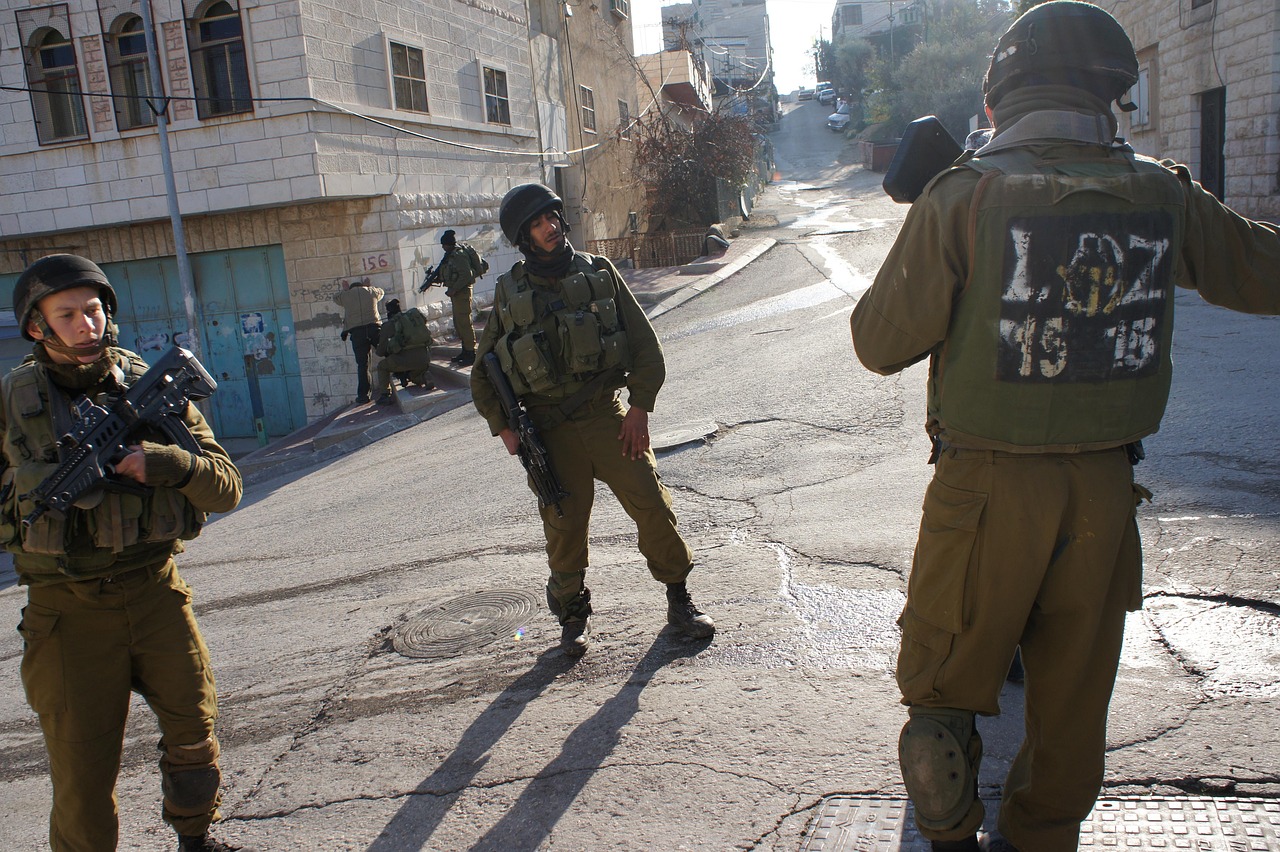
The Israeli Prime Minister’s Office confirmed on July 2 that Prime Minister Benjamin Netanyahu met Trump’s representatives, agreeing to conditions that ensure Israel’s security, though details remain undisclosed. Hamas, however, insists on a complete Israeli withdrawal from Gaza, including the Philadelphi Corridor and Rafah crossing, as a prerequisite, a stance articulated by senior official Sami Abu Zuhri on July 2, who called it “non-negotiable.”
The humanitarian crisis in Gaza intensifies the stakes. The WHO’s July 2 report highlighted malnutrition affecting 112 children, attributing it to insufficient aid reaching hospitals due to ongoing conflict. Bruce acknowledged the crisis, noting that the Gaza Humanitarian Foundation (GHF) has delivered 56 million meals, yet stressed, “It will never be enough” in a war zone controlled by Hamas, which she accused of breaking ceasefires, including one post-October 7, 2023, and using civilians as shields. The White House, on whitehouse.gov, detailed on July 1 that Trump’s proposal aims to halt hostilities for 60 days to negotiate a permanent solution, with Arab partners expected to aid Gaza’s reconstruction. Israel’s position, as per gov.il, prioritises eliminating Hamas’s military capabilities, a goal reiterated by Netanyahu on July 2, who stated, “Israel will not compromise on neutralising the threat posed by Hamas.”
Qatar and Egypt, pivotal mediators, face challenges in bridging the gap. Qatar’s Ministry of Foreign Affairs, cited by The Times of Israel on July 2, expressed cautious optimism, noting progress in talks but urging both sides to compromise. Egypt’s Foreign Minister Badr Abdelatty, in a July 1 call with Iran’s Foreign Minister Seyed Abbas Araghchi, emphasised de-escalation, aligning with Egypt’s broader push for a Gaza ceasefire, per Egypt’s State Information Service. Bruce highlighted their role, quoting Trump: “The Qataris and Egyptians, who have worked very hard to help bring Peace, will deliver this final proposal.” Yet, Hamas’s insistence on withdrawal clashes with Israel’s refusal to cede control over strategic areas, a tension Bruce acknowledged indirectly, stating, “The Middle East changed forever” after recent events, creating a “new world” for negotiations.
The broader context complicates the talks. The U.S.’s recent military actions against Iran, referenced by Bruce as a demonstration of American resolve, have emboldened Israel but strained relations with Hamas’s regional allies. The Israeli government reported on July 2 that ongoing operations in Gaza aim to secure hostages and dismantle Hamas infrastructure, with 1,200 Israeli deaths from the October 7, 2023, attack still driving policy. Bruce condemned the killing of civilians, including the July 1 Gaza café attack, stating, “We mourn the killing of civilians, with whomever it is that’s engaging in these conflicts,” but emphasised Israel’s right to self-defence. The White House’s July 2 statement underscored Trump’s vision for a “different kind of decision” in the region, leveraging his leadership to push for peace.
Reconstruction looms large if a ceasefire is achieved. The White House noted on July 1 that Gaza, deemed “uninhabitable” by Trump, requires rebuilding with Arab support, a process contingent on a lasting ceasefire. Bruce’s briefing highlighted the challenge of delivering aid in a war zone, accusing Hamas of stealing food and using it to control Gazans, stating, “They have an interest in creating a horrible environment.” The path forward remains fraught, with Hamas’s demand for withdrawal and Israel’s focus on security at odds. As Trump’s 60-day proposal hangs in the balance, the region braces for either a breakthrough or prolonged conflict, with the humanitarian toll mounting daily.
– global bihari bureau