U.S. Defies UN’s Shipping Emissions Plan
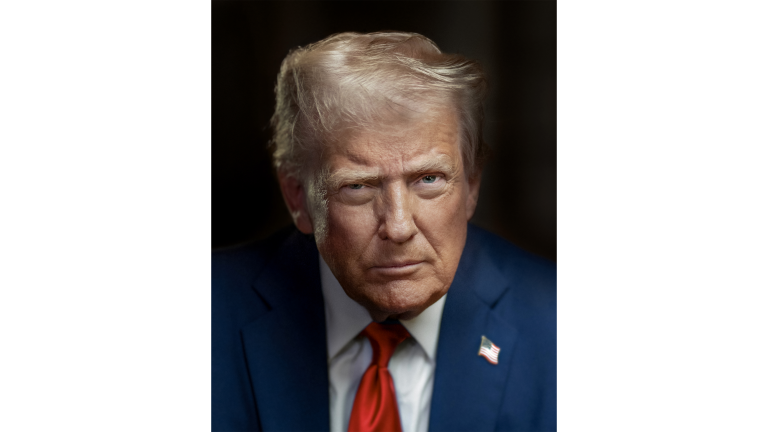
Washington: The Donald Trump Administration has fired a shot across the bow, rejecting the International Maritime Organisation’s (IMO) proposed Net-Zero Framework as a “global carbon tax” that threatens American wallets and industries. In a joint statement, Secretaries Marco Rubio (State), Howard Lutnick (Commerce), Chris Wright (Energy), and Sean Duffy (Transportation) declared that the U.S. will not stomach international mandates that inflate costs for consumers, energy providers, or shipping companies.
“President Trump has made it clear that the United States will not accept any international environmental agreement that unduly or unfairly burdens the United States or harms the interests of the American people. This October, members of the International Maritime Organization (IMO) are poised to consider the adoption of a so-called “Net-Zero Framework,” aimed at reducing global greenhouse gas emissions from the international shipping sector,” the joint statement said.
With the IMO set to vote on the framework in October 2025, this defiance signals a fierce defence of economic interests, but at what cost to global cooperation and innovation?
The Net-Zero Framework targets the shipping sector’s 3% share of global greenhouse gas emissions, enforcing stringent fuel standards and penalties for non-compliant vessels starting in 2027. Aligned with the IMO’s 2023 Strategy for net-zero emissions by 2050, it gained support from 63 nations in April 2025. The framework pushes for low-emission fuels, which the Trump team argues are scarce and costly, potentially giving an edge to competitors like China. It also sidelines U.S.-leading technologies, such as liquefied natural gas (LNG) and biofuels, which could otherwise drive cleaner shipping. Non-compliance fees, potentially millions even for small vessels, would spike costs for energy, transportation, and leisure cruises, hitting American consumers squarely in the pocket.
President Trump’s rejection is rooted in a clear priority: protecting Americans from what the administration sees as an unaccountable UN overreach. By blocking the framework, the U.S. aims to keep shipping costs down, preserving affordability for goods and travel. The emphasis on LNG and biofuels highlights a commitment to leveraging domestic energy strengths, which could spur innovation in cleaner, market-driven solutions. The statement’s warning of “retaliation” against IMO members backing the framework is a diplomatic flex, urging nations to align with U.S. interests or face economic pushback. This stance resonates with Americans wary of rising costs in a tight economy, positioning the administration as a defender of national sovereignty.
Yet, the move carries risks. Shipping emissions, projected to double by 2050 without action, demand global solutions. The framework’s defeat could delay decarbonization, straining ties with allies like the EU, which champions the IMO’s goals. If it passes despite U.S. opposition, retaliatory measures could spark trade disputes, disrupting global supply chains. The dismissal of low-emission fuels, while practical for now, might leave U.S. industries lagging as competitors invest in next-generation technologies. The administration’s hardline rhetoric—calling the framework a tax levied by an “unaccountable UN”—may rally domestic support but risks alienating the 174 IMO member states, complicating future negotiations.
This rejection underscores a broader tension: immediate economic relief versus long-term global challenges. By prioritising affordability and domestic innovation, the U.S. sets a defiant tone, but at the cost of potentially isolating itself in a world pushing for sustainability. The October vote will test whether Trump’s gamble pays off or leaves America navigating choppy waters alone.
– global bihari bureau