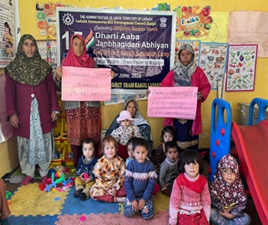
New Delhi: In a push for inclusive governance, India’s Dharti Aaba Janbhagidari Abhiyan (DAJA), launched on June 15, 2025, has emerged as the largest tribal outreach and empowerment campaign in the nation’s history. Over the past nine days, this month-long initiative has touched over 53 lakh tribal citizens through more than 22,000 empowerment camps across 31 states and Union Territories, the Ministry of Tribal Affairs claimed today.
DAJA aims to saturate welfare schemes, delivering government services directly to over 5.5 crore tribal citizens in more than 1 lakh tribal villages and Particularly Vulnerable Tribal Group (PVTG) habitations in 550+ districts. The campaign has already facilitated 1.38 lakh Aadhaar enrolments, issued 1.68 lakh Ayushman Bharat cards, registered 46,000 farmers for PM-Kisan, enrolled 22,000 beneficiaries for PM Ujjwala Yojna, and opened 32,000 new PM Jan Dhan accounts.
Beyond welfare, DAJA offers services like Forest Rights Act claims, pension enrolments, nutritional aid, tribal start-up support, and legal aid through a converged, camp-based model. Named in honour of Bhagwan Birsa Munda (Dharti Aaba), the iconic tribal leader, the campaign reflects the vision of Sabka Saath, Sabka Vikas, Sabka Vishwas, Sabka Prayas, placing tribal communities at the core of India’s growth.
DAJA’s impact resonates across the nation. In Ladakh, Finance Minister Nirmala Sitharaman promoted millet-based tribal nutrition in Rongo village. Madhya Pradesh Governor Mangubhai Chhaganbhai Patel launched the campaign in Sehore, blending service delivery with cultural celebration. Assam Chief Minister Himanta Biswa Sarma inaugurated DAJA in Guwahati, hailing it as a new chapter for Northeast tribal development. In Maharashtra, Chief Minister Devendra Fadnavis emphasised tribal entrepreneurship, while Andhra Pradesh focused on forest-dwelling groups in Parvathipuram Manyam. Kerala’s Tribal Conclave in Wayanad fostered collaborative planning among district teams.
Union Minister for Tribal Affairs Jual Oram called DAJA a “mass movement for equity and dignity,” while Minister of State Durga Das Uikey highlighted the rising aspirations of tribal youth and women. Secretary Vibhu Nayar noted the campaign’s innovative governance, from real-time digital dashboards to cultural revival.
Built on five pillars—Janbhagidari, saturation, cultural inclusion, convergence, and last-mile delivery—DAJA engages 700+ tribal communities and 75 PVTGs, mobilising youth groups like MY Bharat and NSS, alongside civil society. Cultural programmes, including tribal cuisine festivals, folk dances, and handicraft exhibitions, celebrate indigenous heritage.
The Ministry of Tribal Affairs urged citizens, academics, volunteers, and media to join this transformative movement by visiting Jan Seva camps, sharing tribal stories, and using hashtags like #DhartiAabaAbhiyan and #EmpoweringTribalsViksitBharat. DAJA, running until July 15, 2025, is not just a campaign but a grassroots revolution for tribal dignity, inclusion, and pride, paving the way for a Viksit Bharat.
– global bihari bureau