Sustainable Water Management and Agricultural, Forestry, and Livestock System of the Okuizumo Area, Japan
100+ Global Farm Sites Celebrate Resilience, Diversity
Rome: Three new Globally Important Agricultural Heritage Systems (GIAHS) have been designated for their exceptional contributions to sustainable agriculture, agrobiodiversity, and cultural preservation in challenging environments by the Food and Agriculture Organization of the United Nations (FAO).
Announced today during the GIAHS Scientific Advisory Group meeting, the designations recognise Italy’s Amalfi Coast terraced system and Japan’s Arida-Shimotsu mikan orchards and Okuizumo agro-silvo-pastoral system for their centuries-old practices that balance food security, ecological resilience, and community traditions. These additions, marking FAO’s 80th anniversary, bring the global GIAHS network to 102 sites across 29 countries, with Japan now holding 17 sites and Italy its third. Despite their resilience, these systems face persistent challenges from rural depopulation, climate variability, and modernisation pressures that threaten their continuity.
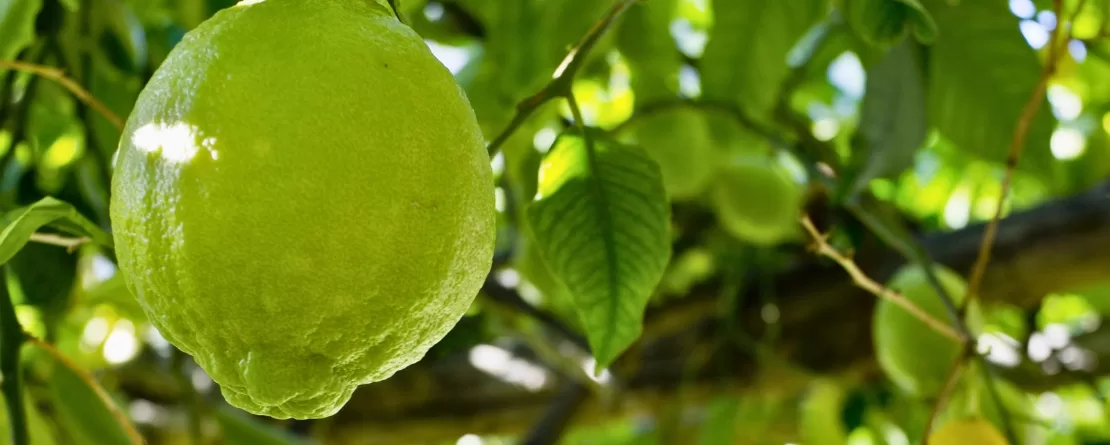
The Amalfi Coast system was selected for its ingenious adaptation to steep Mediterranean slopes, where farmers have sculpted terraced landscapes over centuries to grow the PGI-certified “Sfusato Amalfitano” lemon, alongside olives, grapes, chestnuts, and aromatic herbs. Dry-stone walls, built using time-tested techniques, stabilise slopes, prevent erosion, and regulate water flow, while chestnut pergolas shield crops from intense sun and wind. The system supports up to 800 lemon trees per hectare, yielding 25-35 tons using low-input, pesticide-free methods, and harbours over 970 plant species, including rare Mediterranean flora like Salvia amistad and Campanula fragilis. Women, historically known as “furmechelle” or “little ants,” are central to manual harvesting and knowledge transmission, balancing on pergolas to pick fruit. Agritourism, including Lemon Tours, museums, and limoncello production, diversifies income, but rural exodus—driven by youth migration to urban areas—and tourism-related land use changes strain the system’s labour-intensive practices. The UNESCO World Heritage status of the landscape underscores its cultural and ecological value, yet sustaining family-based farming remains a challenge in a region where tourism often overshadows agriculture.

In Japan’s Arida-Shimotsu region of Wakayama Prefecture, the mikan orchard system earned recognition for its 400-year legacy of cultivating over 30 varieties of mikan (Citrus unshiu) on stone terraces adapted to steep, humid subtropical slopes. These terraces, constructed with dry-stone walls, manage drainage, retain heat, and protect trees from cold and pests, ensuring stable yields across diverse microclimates. Farmers use traditional grafting, seedling management, and pruning techniques, shared through family and cooperative networks, to maintain varieties like Hassaku and Kiyomi, which vary in size, flavour, and ripening times. Intercropping with vegetables and beekeeping enhances food security and pollination, while branded products like mikan juice, jelly, and candied peel, alongside harvest tourism, bolster economic resilience. However, rural depopulation and an ageing workforce—exacerbated by Japan’s broader demographic trends—limit the transfer of knowledge to younger generations, risking the system’s continuity. The cultural significance of mikan, reflected in local festivals and culinary traditions, remains a cornerstone of regional identity, but sustaining this labour-intensive system requires innovative support.

The Okuizumo system in Japan was honoured for transforming degraded soils from historical tatara iron sand mining into a sustainable agro-silvo-pastoral model. Farmers integrate terraced rice fields, fed by community-managed irrigation canals, with buckwheat, vegetable cultivation, Japanese Black Cattle grazing, and forestry. This circular system reuses cattle manure, rice straw, and forest litter to enrich soils, supporting local rice varieties, buckwheat, and traditional grains like foxtail millet. The satoyama landscape, blending fields, forests, and canals, sustains native plants, amphibians, and birds, such as the Japanese tree frog. Community governance ensures equitable water distribution, while branding of Wagyu beef and soba noodles supports livelihoods. Yet, Okuizumo faces significant hurdles from an ageing population and rural decline, with fewer young farmers to maintain terraces and canals. Seasonal rituals and cooperative structures foster social cohesion, but their effectiveness is strained by demographic shifts, highlighting the need for strategies to engage new generations.
Kaveh Zahedi, Director of FAO’s Office of Climate Change, Biodiversity and Environment, praised the sites as “living proof that traditional knowledge and biodiversity can address global challenges like climate change while ensuring food security.” However, persistent gaps threaten their future. In Amalfi, the labour-intensive nature of terraced farming struggles against urban migration and tourism-driven economic shifts, with some terraces abandoned due to high maintenance costs. Arida-Shimotsu’s reliance on diverse mikan varieties demands ongoing investment in training, as fewer youth pursue farming amid Japan’s urban pull. Okuizumo’s community-based model, dependent on collective irrigation and cattle integration, faces risks from a shrinking rural population, with Japan’s rural demographic projected to decline further by 2030. Climate variability adds pressure across all sites, with Amalfi facing erratic rainfall, Arida-Shimotsu contending with typhoon risks, and Okuizumo managing variable water availability.
The GIAHS programme highlights these systems as global models for sustainable agriculture, yet their preservation requires addressing these challenges. Amalfi’s biodiversity and cultural heritage risk erosion from over-tourism, with land repurposing for hospitality reducing agricultural space. Arida-Shimotsu needs robust knowledge-sharing platforms to sustain its citrus diversity, as cooperative networks alone may not suffice. Okuizumo’s intricate resource cycles depend on community participation, which wanes as villages age. The FAO’s recognition, now encompassing 102 sites, calls for global support to balance tradition with innovation, ensuring these heritage systems endure as vital lessons for resilient, sustainable farming worldwide.
– global bihari bureau