Photo source: “Contaminated medicines and integrity of the pharmaceutical excipients supply chain”, WHO.
Geneva: Criminal networks are exploiting vulnerabilities in the global pharmaceutical supply chain, substituting toxic chemicals like diethylene glycol (DEG) and ethylene glycol (EG) for safe excipients, causing a surge in deaths, including at least 334 children in The Gambia, Indonesia, and Uzbekistan since October 2022. This was revealed by a joint report from the World Health Organization (WHO) and the United Nations Office on Drugs and Crime (UNODC), released today, titled “Contaminated medicines and integrity of the pharmaceutical excipients supply chain.”
The report details how these networks use falsified labels, unregulated online platforms, and corrupt practices to distribute contaminated medicines, particularly in low- and middle-income countries (LMICs), where regulatory oversight is limited.
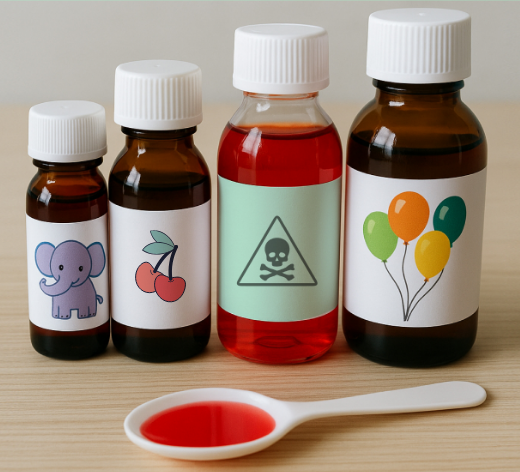
These networks target high-risk excipients like propylene glycol, glycerin, and sorbitol, used in liquid oral medicines such as cough and paracetamol syrups, by substituting DEG and EG, industrial solvents and antifreeze agents that cause severe health issues or death even in small amounts. Often marketed for pediatric use and sold without prescriptions in pharmacies, medicine stores, or informal street markets, these contaminated medicines have triggered global concern. Since October 2022, WHO has issued seven Medical Product Alerts for contaminated liquid medicines and two for falsified bulk chemicals posing as safe excipients, leading to recalls across all six WHO regions. In The Gambia, 66 children died from contaminated syrups, followed by 268 deaths in Indonesia and Uzbekistan, underscoring the crisis’s devastating impact.
Over 90 years, at least 25 excipient contamination incidents have caused over 1,300 deaths worldwide, predominantly children, with many more hospitalisations and life-changing injuries. The recent surge prompted WHO to develop a screening methodology to detect toxic contaminants, increasing detection and reporting. While market volatility during the COVID-19 pandemic contributed, the report identifies deep-rooted issues: intentional criminal conduct, poor manufacturing practices, and weak regulatory oversight of excipients.
Criminal networks exploit market demand for excipients prone to price fluctuations, using falsified labels claiming to be from multinational manufacturers to sell toxic chemicals as pharmaceutical-grade products. They market these fakes through unlicensed traders on e-commerce and social media platforms. Some networks corrupt public officials to gain market access for tainted medicines. Empty excipient drums are recycled or reused without control, passed to third parties with original labels intact, enabling fraud. Manufacturers and distributors of high-risk excipients face no regulatory oversight in many jurisdictions, allowing contaminated products to reach the market.
Some medicine manufacturers purchase excipients from untraceable traders without due diligence or testing for impurities, while others accept contracts from unverified clients. Contaminated medicines are often exported to LMICs, where regulatory capacity is limited. Certificates of analysis are altered, falsified, or missing, hindering traceability, as excipients pass through multiple intermediaries across jurisdictions. Improper disposal of empty excipient drums by manufacturers further enables fraud. The report notes insufficient regulatory focus on medicines produced for export only and inadequate inspections of excipient sources.
Deficiencies in post-market surveillance and enforcement exacerbate the crisis. Some countries fail to report contaminated products to WHO’s Global Surveillance and Monitoring System or via International Health Regulations focal points, delaying global responses. Inadequate coordination among regulatory, customs, and law enforcement authorities hinders investigations and prosecutions. While some prosecutions succeed, many fail due to poor investigative quality or prosecutors’ inexperience with pharmaceutical crimes. The lack of reliable, robust, portable, and affordable screening devices to detect impurities at permissible levels, combined with insufficient recent research on DEG and EG toxicity in humans, limits prevention efforts.
The consequences are severe: widespread harm to public health, eroded confidence in medicines’ safety and efficacy, weakened trust in regulatory systems, and financial losses from recalls and healthcare costs. LMICs, with limited access to quality-assured medicines, are disproportionately affected.
WHO and UNODC call for urgent global action to protect vulnerable populations, particularly children. They urge stronger regulatory frameworks, enhanced compliance by manufacturers and distributors, and greater transparency and traceability in the excipient supply chain. The report recommends risk-based post-market surveillance, enforcement of existing laws with sanctions for non-compliance, and improved investigative and prosecutorial capacity. UNODC emphasises using the United Nations Convention against Transnational Organised Crime to support cross-border investigations. Closer collaboration among regulators, law enforcement, and the private sector is critical to address deliberate falsification of labels, certificates, and excipient composition.
Developed with support from the Fleming Fund and the Gates Foundation, the report draws on insights from national regulatory authorities in The Gambia, Indonesia, and Pakistan. WHO and UNODC warn that without immediate action, these preventable tragedies will continue, endangering more lives.
– global bihari bureau