Photo source: @drpezeshkian
West Asia War Triggers Pollution, Exodus and Trade Shock
Disrupts Energy and Humanitarian Aid
Tehran/Geneva/Jerusalem/Washington/New Delhi: Toxic, soot-laden “black rain” reported over parts of Tehran has emerged as one of the most visible signs of the widening war between Israel and Iran, as missile exchanges and retaliatory strikes intensified across West Asia during a rapid escalation from late March 10 (UTC) into the morning of March 11. United Nations officials and environmental experts warned that the conflict, which expanded sharply after hostilities surged in late February, is now producing not only direct military confrontation but also environmental contamination, rising civilian casualties, large-scale displacement and disruptions to global energy and trade routes.
Residents in several districts of Tehran reported darkened rainfall after days of fires at oil depots and petrochemical storage sites struck during Israeli attacks. Environmental specialists analysing satellite imagery and atmospheric data say the burning of petroleum infrastructure releases dense plumes of soot, hydrocarbons and sulphur-based compounds into the air. When such pollutants mix with moisture, they can combine with precipitation to produce soot-contaminated rainfall widely described by residents and local media as “black rain.”
Scientists warn that such rainfall can deposit particulate matter and chemical residues across urban landscapes, contaminating soil, drainage networks and surface water while worsening already hazardous air quality. Health officials cautioned that exposure to polluted rainfall and airborne particulates could aggravate respiratory illnesses and trigger eye or skin irritation among exposed populations.
The World Health Organization said smoke from burning oil facilities can contain complex mixtures of toxic chemicals capable of affecting large urban populations. Its spokesperson, Christian Lindmeier, noted that inhalation of petroleum combustion particles can lead to breathing difficulties and other acute respiratory symptoms, particularly among vulnerable groups.
The environmental dimension of the war has also drawn attention from the Office of the United Nations High Commissioner for Human Rights. Its spokesperson, Ravina Shamdasani, said attacks on infrastructure capable of causing widespread environmental contamination raise serious concerns under international humanitarian law because of their potential long-term impact on civilians and ecosystems.
The pollution warnings came as the conflict entered another cycle of military escalation during the latest 24-hour period. Iranian forces launched multiple waves of missiles and drones toward Israeli territory overnight into March 11, according to Israeli military authorities and regional monitoring groups. Security analysts described the launches as heavy salvos that may have included advanced missile configurations. Air-raid sirens sounded repeatedly across cities, including Tel Aviv and Haifa, as Israeli air-defence systems intercepted incoming projectiles.
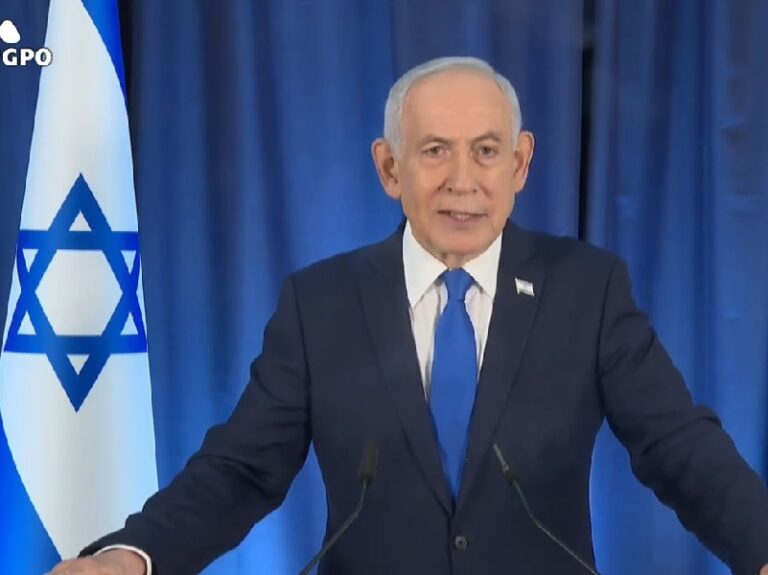
Israeli officials said fragments from intercepted missiles fell in several urban areas, though they reported that key infrastructure remained operational. Prime Minister Benjamin Netanyahu said the country’s ports, airports and other essential services continued functioning despite repeated alerts.
Iranian strikes during the same period were also reported to have targeted American or allied military facilities across the region, including installations in Iraq, Bahrain, Qatar, the United Arab Emirates and Saudi Arabia. Authorities in Kuwait said they tracked projectiles crossing regional airspace, while several Gulf states reported intercepting missiles or drones.
Military analysts said the near-simultaneous activation of air-defence systems across multiple Gulf states illustrated the extent to which the confrontation has spread beyond Israel and Iran into a broader regional security crisis.
American officials said the latest exchanges represented one of the most intense phases of the conflict since the escalation began in late February. According to U.S. defence officials speaking to international media, Iranian attacks on American installations across the region have injured more than 140 U.S. personnel, though most injuries were reported to be non-fatal.
The United States also carried out maritime security operations near the entrance to the strategically vital Strait of Hormuz. U.S. officials said American forces destroyed several Iranian vessels believed capable of laying naval mines near the waterway, an operation intended to prevent potential attempts to disrupt international shipping through the narrow maritime corridor linking the Persian Gulf to global sea lanes.
The Strait of Hormuz is widely regarded as one of the world’s most critical energy chokepoints. Energy analysts estimate that roughly one-fifth to one-quarter of global seaborne oil trade and a significant share of liquefied natural gas exports pass through the strait each day. Even a temporary disruption to traffic through the waterway could have immediate consequences for global energy markets.
Shipping data cited by maritime monitoring services indicated that commercial traffic through the strait fell sharply during the peak of the latest tensions, with some operators delaying voyages while others diverted vessels to alternative routes.
War-risk insurance premiums for ships entering the Gulf have risen sharply, prompting some shipping companies to divert vessels around the Cape of Good Hope at the southern tip of Africa rather than risk transit through the Gulf. The longer route significantly increases voyage duration and fuel costs, placing additional pressure on global supply chains.
Economic analysts warn that the potential disruption extends well beyond energy markets. Experts at the United Nations Conference on Trade and Development (UNCTAD) said instability in the Gulf could affect global fertiliser supply chains because roughly one-third of the world’s seaborne fertiliser trade moves through the region. Prolonged disruption could therefore influence agricultural production and food prices worldwide.
Humanitarian agencies say rising shipping costs are already affecting aid deliveries. Jean‑Martin Bauer of the World Food Programme said war-risk insurance surcharges alone could add between $2,000 and $4,000 to the cost of transporting a single container through high-risk waters.
Along Israel’s northern frontier, the Iran-aligned group Hezbollah continued launching rockets from southern Lebanon toward Israeli territory. Israeli aircraft responded with strikes on Hezbollah-linked positions in several areas including the southern suburbs of Beirut and the Bekaa Valley.
The cross-border fighting has triggered one of the largest waves of internal displacement in Lebanon in recent years. The United Nations High Commissioner for Refugees said hundreds of thousands of civilians have fled their homes as air strikes and rocket fire intensified across the country. Humanitarian sources indicated that more than 120,000 additional people may have been displaced during the most recent escalation, potentially pushing the total number of displaced residents toward or beyond 800,000.
Karolina Lindholm Billing, the refugee agency’s representative in Lebanon, said many families were seeking refuge in schools, community centres and municipal buildings in Beirut and other urban areas, while others were sheltering in vehicles or temporary roadside camps after fleeing their homes with little warning.
The humanitarian repercussions of the war are also being felt beyond the immediate conflict zones. Aid organisations operating in Iran say rising insecurity and economic disruption have prompted increasing numbers of Afghan migrants to return to Afghanistan.
According to figures cited by the United Nations Children’s Fund, around 110,000 Afghans have crossed the border since the beginning of the year, with roughly 1,700 people making the journey each day in recent weeks. At the Islam Qala crossing in Afghanistan’s Herat province, UNICEF representative Tajudeen Oyewale said humanitarian workers were observing rising levels of malnutrition among children arriving with returning families.
Diplomatic contacts have continued even as military exchanges intensified. Iran’s foreign minister Seyed Abbas Araghchi has held consultations with several international counterparts, including Hakan Fidan of Turkey and Yoshimasa Hayashi of Japan. Governments in China, Russia and France have also maintained diplomatic contacts with Tehran as international efforts to reduce tensions continue.
The diplomatic response has also included appeals for restraint from European leaders. Olaf Scholz, Chancellor of Germany, said the international community lacked a coordinated strategy capable of bringing about a ceasefire or preventing the conflict from widening further.
The European Union’s foreign policy chief, Kaja Kallas, also urged restraint and renewed diplomatic engagement, warning that continued escalation could destabilise the wider Middle East and threaten global economic stability.
At the United Nations, Secretary-General António Guterres called for urgent diplomatic efforts to halt the cycle of retaliation and prevent a broader regional war.
Iranian authorities have strongly criticised Western governments for their response to the conflict. Officials in Tehran accused the United States and several European countries of enabling Israeli military operations through political and military support.
Iranian leaders have also presented their own account of the war’s human toll. Officials say more than 1,300 civilians have been killed and around 10,000 civilian sites damaged or destroyed since the escalation began on February 28, though these figures could not be independently verified and form part of competing wartime narratives.
Across the broader conflict, some international media estimates suggest the combined death toll from missile strikes, rocket attacks and related violence may now exceed 1,800 people, though precise totals remain difficult to confirm amid rapidly evolving hostilities.
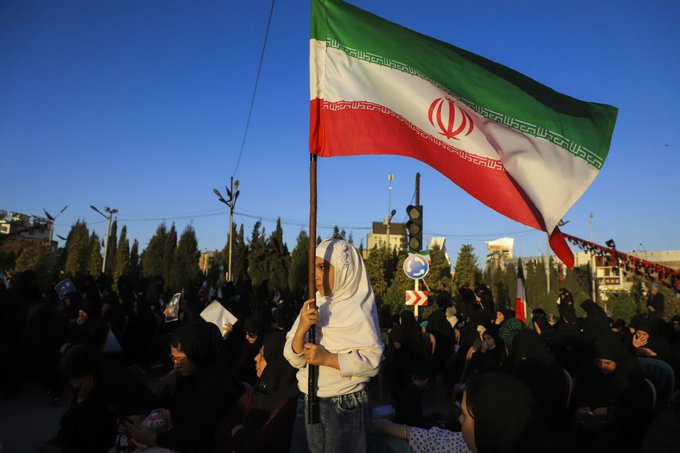
Iranian President Masoud Pezeshkian emphasised the country’s resilience during the crisis, saying, “Iran is not merely a country on the map; it is a civilisation with a history stretching back thousands of years, and it will endure.”
At the same time, Iranian authorities have warned against domestic protests during the wartime emergency, reflecting concerns within the country about internal political pressure as the conflict continues.
The repercussions of the war have also begun influencing political debate far beyond West Asia. In India, developments in the region have become a point of contention during the ongoing Budget Session of the Indian Parliament 2026 in New Delhi.
Proceedings in both the Lok Sabha and the Rajya Sabha have faced repeated disruptions as opposition lawmakers demanded an urgent discussion on the implications of the West Asian crisis for India’s energy security, maritime trade routes and the safety of Indian nationals living in Gulf countries.
Opposition members called for a government statement on contingency planning for potential oil-supply disruptions and evacuation measures should the security situation deteriorate further. The interruptions briefly stalled legislative business, with presiding officers repeatedly urging members to restore order.
Government representatives said authorities were closely monitoring developments, particularly the situation around the Strait of Hormuz through which a significant share of India’s crude oil imports passes.
As missile launches, retaliatory strikes and diplomatic manoeuvres continued through the latest escalation cycle, international agencies warned that the conflict’s consequences are increasingly extending beyond the battlefield. Environmental contamination from burning oil infrastructure, humanitarian displacement across several countries, disrupted shipping lanes, and rising geopolitical tensions are combining to create a crisis whose effects are being felt from polluted rainfall over Tehran to global commodity markets and parliamentary debates thousands of kilometres away.
– global bihari bureau