Gaza Hospitals Failing Without Full Access
WHO Urges ‘Game Changer’ West Bank Route Reopen
Gaza Strip/Geneva/Jerusalem: Two weeks after a ceasefire paused hostilities in Gaza, the enclave’s streets carry an uneasy calm, but its hospitals tell a different story. In crowded corridors, medical staff move between beds, tending to patients who have been waiting for treatment for days, sometimes weeks. Children with broken limbs lie beside adults recovering from burns, shrapnel injuries, and the effects of malnutrition, while family members cluster at the foot of beds, anxious and exhausted.
From Jerusalem, Dr Rik Peeperkorn, the WHO’s representative in the occupied Palestinian territory, conveyed the magnitude of the humanitarian challenge. While the agency has rapidly scaled up its operations, he warned that the flow of aid remains constricted. “Opening up all the crossings is critical and even more so to get diverse food, shelter, and all shelter-related items with the winter approaching,” he told reporters in Geneva.
At present, only Kerem Shalom and Kissufim crossings in southern Gaza are operational. Northern Gaza, where famine and medical shortages are most acute, remains largely cut off. The Rafah, Zikim, and Erez crossings, vital for people and supplies, are still closed, limiting WHO and partner agencies from delivering medicines, oxygen, and critical medical equipment to northern hospitals.
Gaza’s healthcare system has been battered by years of conflict. Several major hospitals—including Kamal Adwan, Al-Awda, Indonesian, and European Gaza Hospital—lie beyond the “yellow line” that Israeli forces withdrew to under the first stage of the US-mediated ceasefire. These facilities remain non-functional and largely inaccessible, even as thousands of injured and sick people wait for care. Across the strip, there are only about 2,100 inpatient beds available for over two million residents. More than 170,000 people have been injured during the conflict, and many critically ill patients are still unable to reach treatment.
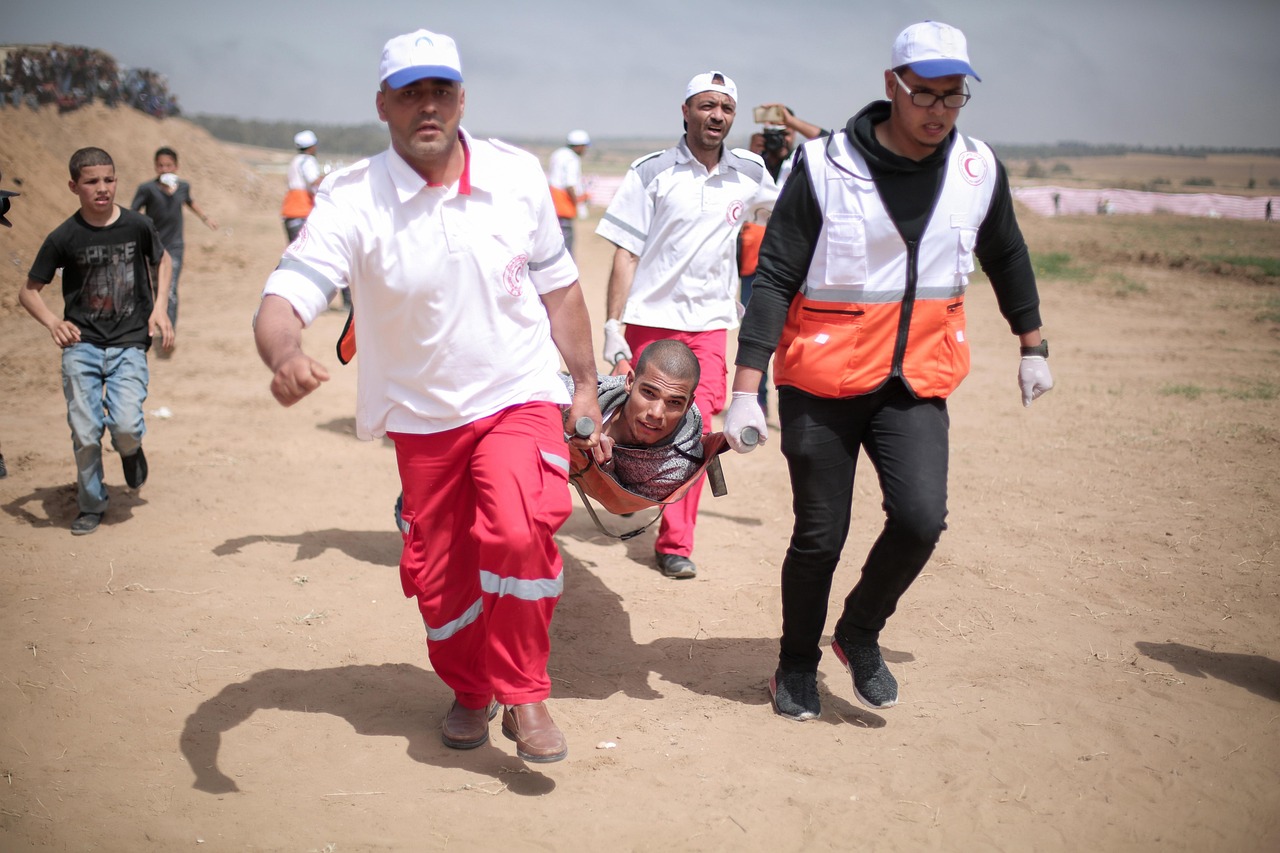
WHO’s medical evacuation programme is slowly ramping up. Yesterday, the first post-ceasefire medevac transported 41 patients, along with 145 companions, to hospitals outside Gaza. Still, there is an urgent need to expand this effort. “All medical corridors need to be opened,” Dr Peeperkorn said, adding that approximately 15,000 people, including nearly 4,000 children, are awaiting evacuation. He highlighted the West Bank route, including East Jerusalem referral hospitals, as the most cost-effective path to deliver lifesaving treatment.
WHO is also pressing for Rafah to reopen for daily medical evacuations into Egypt, while continuing transfers through Kerem Shalom to Ramon Airport in Israel and Jordan. “The reopening of this route would be a game changer,” Dr Peeperkorn said. At the same time, WHO is seeking commitments from more countries to accept patients, as the current medevac capacity is far below the demand. “For next week, we have two medevac plans, but… we want to be able to do medevacs every day,” he added.
Even when patients reach hospitals, shortages of essential medical equipment hinder care. CT scanners, MRIs, X-ray machines, ultrasounds, and spare parts have been delayed or restricted because of dual-use regulations. Hospitals are struggling to maintain basic diagnostic and treatment services. WHO has compiled a consolidated list of essential medicines and equipment, seeking blanket approvals to expedite their entry. “We need CT scans in, we need spare parts in, we need MRIs in, we need X-rays in, we need ultrasounds in. All of that has been consistently delayed or has been made very difficult… I do expect with the Civil-Military Coordination Centre that this will be facilitated in the future,” Dr Peeperkorn said.
The Civil-Military Coordination Centre, established under US supervision, is intended to streamline approvals for aid and facilitate large-scale deliveries for recovery and reconstruction. While Dr Peeperkorn expressed cautious optimism, he acknowledged the enduring challenges. “We all know that this will be a long and winding road, with a lot of setbacks and obstructions,” he said.
Winter is approaching, intensifying the urgency of delivering not only medicines but also blankets, fuel, and shelter materials. Without these, hospital operations and home care alike are threatened, placing already vulnerable populations at further risk. WHO’s interventions are just one part of a broader humanitarian equation: unless crossings are opened and bureaucratic and logistical hurdles removed, the ceasefire’s benefits will remain limited.
Within hospitals, the consequences of delayed access are stark. Nurses describe operating under rationed supplies, improvising equipment where spare parts are unavailable, and managing patient surges that overwhelm bed capacity. Families speak of children with untreated fractures and chronically ill patients waiting in corridors, highlighting the human cost behind the statistics. Even the medevac program, while a lifeline, is insufficient to address the scale of injuries and chronic medical needs.
Dr Peeperkorn highlighted immediate priorities to mitigate further suffering: expanding hospital capacity, enabling daily medical evacuations, and securing consistent delivery of essential medicines and equipment. He stressed that these steps are crucial not only to address current emergencies but also to prevent a deeper public health crisis.
Despite the bleak conditions, WHO’s actions are starting to show that a coordinated humanitarian response can make a difference. The initial medevac demonstrates the potential for life-saving interventions if the right corridors are opened and approvals expedited. Yet, the agency remains realistic about the challenges ahead: full recovery and sustained healthcare access depend on international cooperation, operational flexibility, and political support to keep the ceasefire stable.
For the residents of Gaza, the fighting may have paused, but the struggle for survival continues. WHO’s assessment, grounded in the stark reality of overcrowded hospitals, equipment shortages, and blocked crossings, underscores a simple but urgent message: without immediate and sustained humanitarian access, thousands of lives remain at risk.
– global bihari bureau