Civilians “Have No Safe Space” Amid Escalating West Asia War
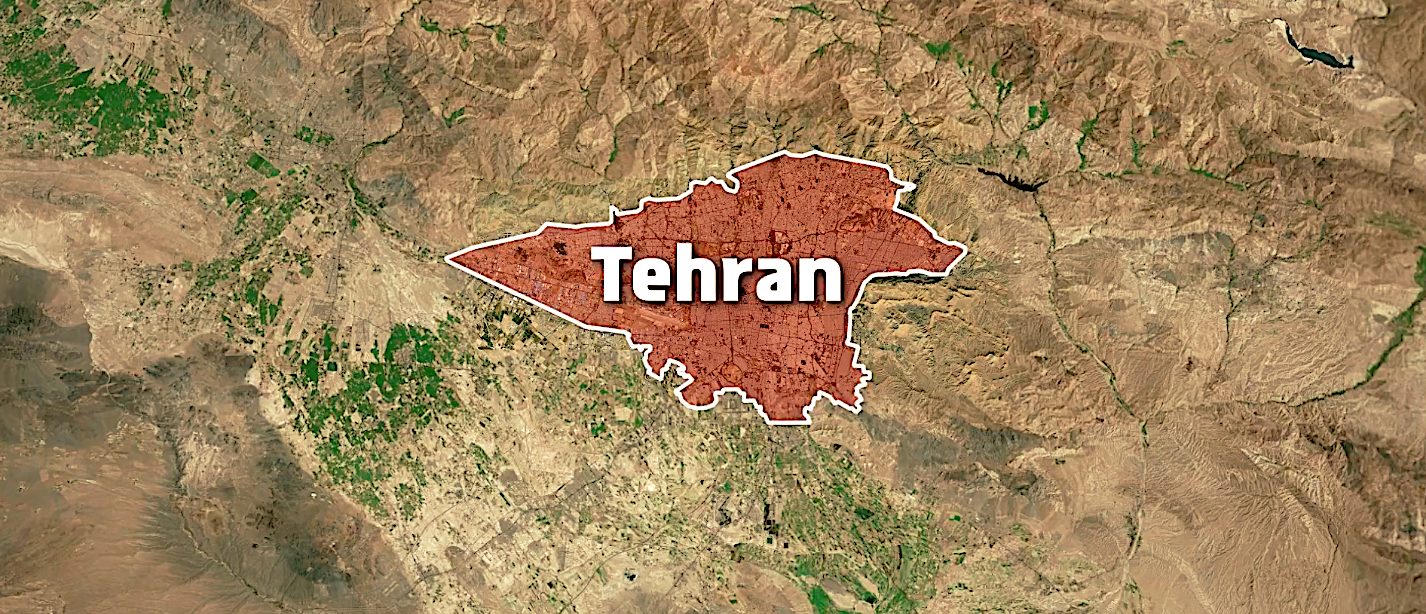
Geneva/Tehran/Beirut/Dubai: In Tehran, once a bustling metropolis of nearly nine million people, the impact of nearly four weeks of Israeli and United States airstrikes is starkly visible. Streets that would normally pulse with activity lie nearly empty, punctuated only by the intermittent glow of damaged infrastructure and the occasional wail of ambulance sirens. Clinics and hospitals are overwhelmed, and families navigate daily life under pervasive anxiety, compounded by a near-total internet blackout imposed since February 28, 2026, which has reduced connectivity to roughly one per cent of normal traffic. Disruptions to electricity and water services in southern cities have further hampered civilians’ ability to receive warnings, coordinate evacuations, or contact loved ones.
“While Tehran still maintains some basic services, some cities in the south are facing water and electricity cuts. Not to mention the fact that we have a nationwide internet blackout since 28 February,” said Maria Martinez, Head of Delegation for the International Federation of Red Cross and Red Crescent Societies (IFRC) in Iran. Her observations underline the daily reality faced by ordinary Iranians: the collapse of routine life and the compression of daily existence to survival under bombardment. Hospitals have been inundated with wounded civilians, and medical staff have been forced to improvise care in damaged facilities, sometimes operating in temporary wards, tents, or improvised evacuation centers. Verified reporting indicates hundreds of civilians, including women and children, have been killed and thousands injured in strikes affecting residential buildings, schools, and clinics. Medical units have occasionally had to suspend non-urgent services following nearby explosions, further straining an already overstretched health system.
Humanitarian monitoring groups now estimate that Iran’s civilian death toll has exceeded well over a thousand, with injuries reported in the tens of thousands. These figures are consistent with IFRC-linked reporting, HRANA, and Iranian health ministry updates, all of which caution about verification challenges amid the communications blackout. Attacks on health services have been prolific; the IFRC reports 17 Red Crescent centres struck and nearly 100 ambulances damaged or destroyed. “These are not just vehicles. They are often the only hope people have when the bombs fall,” Martinez said, emphasising the erosion of emergency response capacity. One IFRC search-and-rescue worker recovered the bodies of his own family beneath rubble, while another in Qom recovered his aunt, her husband, and a young child from collapsed buildings, illustrating the direct human toll on responders themselves.
The war’s impact extends far beyond Tehran. In southern Iran, towns face repeated power and water outages, severely limiting access to medical and emergency services. Children are especially vulnerable: hospitals report hundreds of pediatric injuries, and schools converted into shelters struggle to accommodate displaced families. Local authorities estimate tens of thousands of residents are now living in temporary accommodations, with limited access to safe water, food, and medical care. Mental health specialists warn of a growing crisis, with children and women bearing the brunt of trauma from repeated strikes, displacement, and loss of family members.
Across the border in Lebanon, civilians are equally imperilled. Frequent Israeli strikes, often linked to ongoing exchanges with Hezbollah militants, have damaged homes, bridges, schools, and key infrastructure connecting towns to relief routes. Karolina Lindholm Billing, UNHCR Representative in Lebanon, described minimal warning before attacks in areas like Bashura, leaving families scant opportunity to shelter safely. Marcoluigi Corsi, UNICEF Country Representative, insisted that “there is no safe space” even in Beirut, highlighting the widespread vulnerability. More than one million people have fled their homes, creating one of the largest population displacements in the region. Children are particularly affected: at least 121 killed and hundreds wounded, with over 370,000 displaced, many now living in collective shelters, schools, or other temporary accommodations. These shelters, while offering refuge, are overcrowded and strain already limited resources, disrupting education and compounding risks for women and girls.
The conflict has also claimed the lives of several humanitarian responders in Lebanon. In Nabatieh, paramedics Joude Souleiman and Ali Jaber were killed while delivering supplies, underscoring the dangers posed by “double strike” patterns where secondary explosions target first responders. Bridges destroyed by airstrikes have isolated over 150,000 people, complicating the delivery of food, water, medicine, and other essential aid. Humanitarian agencies emphasise that restoring access to these populations remains a high priority, requiring complex logistical planning and coordinated efforts across multiple jurisdictions.
Resupply efforts for civilians and frontline responders have seen a gradual recovery after early disruption. The World Health Organization (WHO) reports that relief shipments from Dubai are now “back on track” following initial setbacks. Robert Blanchard, WHO Emergency Operations Team Lead at the Dubai Logistics Hub, said that commercial cargo bookings are resuming and Gulf airlines are operating at roughly 50–60 per cent capacity. Overland routes through Saudi Arabia, Jordan, and Syria are being utilised to bypass damaged corridors, though rising fuel and transport costs continue to challenge timely delivery. Additional charter flights and Egypt-bound convoys carrying lifesaving medicines for Gaza will accelerate deliveries to critical areas, particularly for children, pregnant women, and displaced families.
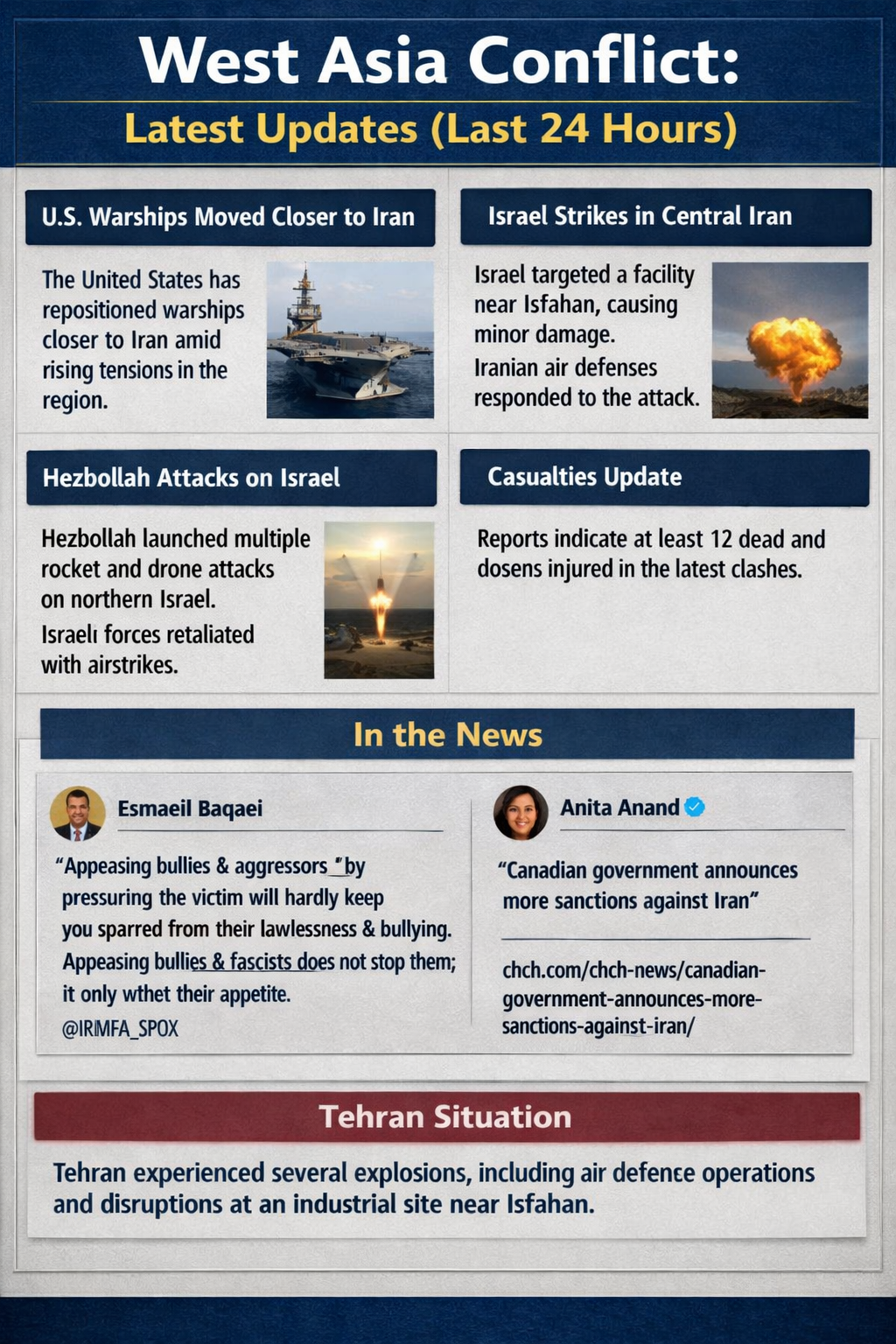
Political and diplomatic pressures have intensified alongside the humanitarian toll. On March 26, Canada announced additional sanctions targeting individuals and entities linked to Iranian missile and drone programs as well as human rights concerns. A senior Iranian Foreign Ministry spokesperson warned that such measures only “whet their appetite,” framing them as encouragement for continued aggression.
The military situation remains fluid. Iranian missile and drone activity, while diminished from early peaks, continues to pose risks to civilian populations and military infrastructure alike. Debris from intercepted long-range missiles has recently fallen in Israeli territory, triggering emergency alerts and heightening anxiety among local populations. The United States Navy has repositioned warships—including cruisers, destroyers, and support vessels—closer to Iranian waters in the Persian Gulf and Strait of Hormuz to protect commercial shipping lanes and deter escalation. Uncrewed surveillance vessels, known as Global Autonomous Reconnaissance Craft (GARC), are deployed to monitor maritime environments, enhancing real-time intelligence for situational awareness. Strikes in both countries have often targeted military and missile-linked infrastructure, though civilians bear the brunt of the humanitarian toll.
Long-term recovery challenges are emerging across the region. The repeated strikes on schools, hospitals, bridges, and other essential infrastructure will have enduring consequences for education, healthcare, and economic activity. Children displaced multiple times face educational disruption, psychological trauma, and increased vulnerability to exploitation. Women, the elderly, and other vulnerable groups are at heightened risk as traditional social support networks are strained. Humanitarian agencies emphasise the need for sustained funding, secure corridors for aid delivery, and continued monitoring to prevent further deterioration in civilian safety.
The crisis illustrates not only the immediate human cost of hostilities but also the broader fragility of systems that sustain everyday life. Civilians are left with no safe space, and responders face constant danger in their efforts to deliver aid. Restoring communication, water, electricity, and transport links will be essential to mitigate further harm, while careful coordination of relief shipments—both air and overland—is critical to ensure that lifesaving assistance reaches the most vulnerable.
In both Iran and Lebanon, the stories of displaced families, wounded children, and brave responders underscore the profound human consequences of the conflict. The combination of ongoing strikes, infrastructure destruction, and logistical challenges means that without immediate and sustained humanitarian support, the civilian toll will continue to rise, deepening both short- and long-term suffering.
– global bihari bureau