UN Probe: Sudan’s Civilians Face Slaughterhouses, Hunger, Torture, Child Deaths, Rape
Geneva: Sudan’s civilians face deliberate torture, starvation, and killings in a war where detention centres are called “slaughterhouses” and children die of hunger in displacement camps, a United Nations investigation found.
The Independent International Fact-Finding Mission for Sudan, created by the United Nations Human Rights Council (HRC) in October 2023, reported widespread atrocities by the Sudanese Armed Forces (SAF) and Rapid Support Forces (RSF) since the conflict began in April 2023.
“Everybody knows you cannot rape, you cannot loot, you cannot destroy property. You cannot starve people. But if there is no accountability, of course, they will continue doing it,” said mission member Mona Rishmawi at a press conference in Geneva on September 9, 2025.
The mission’s report, presented to the HRC’s 60th session, detailed grave crimes across Sudan’s 14 conflict-affected states. In RSF-run detention facilities, survivors described “slaughterhouses” where dozens died between June and October 2025 due to torture, denial of food, and lack of medical care. In SAF detention centres, civilians endured torture, including electric shocks and sexualized abuse, in cells so overcrowded that some slept standing.
Girls as young as 12 were forced into marriage under death threats to their families, while men and boys faced sexualized torture rooted in racism, prejudice, and impunity, devastating entire communities, said mission chair Mohamed Chande Othman, an independent human rights expert not employed by the UN.
Addressing the Human Rights Council earlier in the day, Othman insisted that the war was “destroying not only lives but also the means of survival”, with hospitals, markets, water and electricity systems – and even humanitarian convoys – systematically attacked.
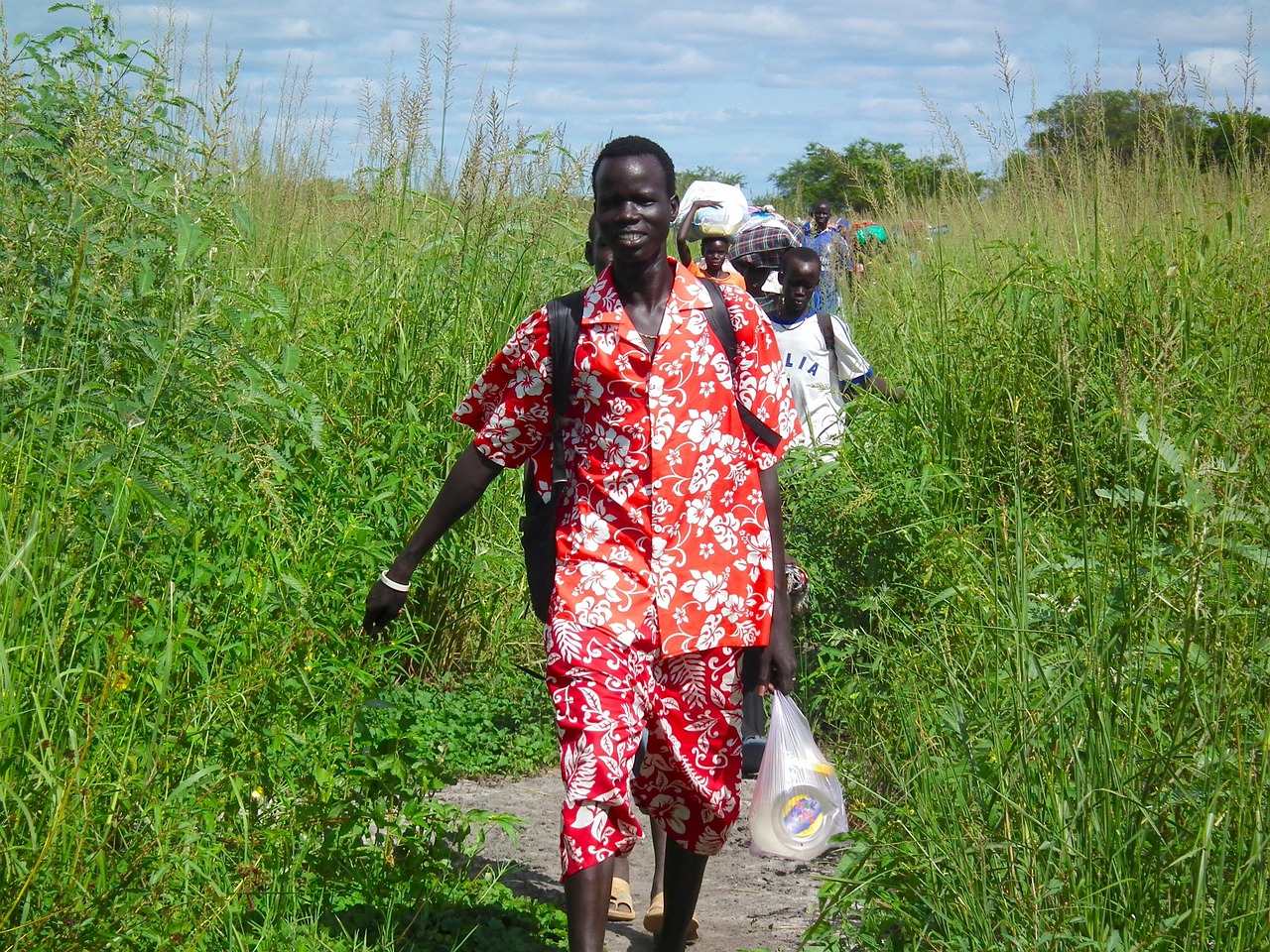
The war has triggered a severe humanitarian crisis, displacing 8 million people internally and forcing 2 million to flee as refugees. In displacement camps like Zamzam and Abu Shouk, witnesses reported children dying of hunger and dehydration in the streets, some eating animal feed, according to mission member Joy Ngozi Ezeilo.
Markets, critical for food access, faced relentless attacks: SAF airstrikes killed 45 civilians at El Koma market in October 2024, over 100 at Kabkabiya market two months later, and hundreds at Tora market in March 2025 during peak hours. The RSF shelled Zamzam camp’s market, pillaged entire areas, and used drones to strike Merowe Dam and water towers, leaving communities without drinking water. One mother lost all four children to thirst while fleeing, Othman reported.
The report highlighted systematic attacks on hospitals, markets, water and electricity systems, and humanitarian convoys, destroying the means of survival. Othman stated the war is “destroying not only lives but also the means of survival.”
Rishmawi explained that blocking food production, markets, and humanitarian aid, alongside killings, constitutes the crime against humanity of extermination.
She added: “You kill, [you provide] no food, no water, you don’t allow food production. You don’t allow access to food, to markets and so on; and you don’t allow access to humanitarian aid. So, what you do want is to kill the population, so, it’s very clear. So, the effect of this is really the crime against humanity…of extermination.”
She noted the evidence mirrors genocide violations, as the actions—killing, denying food and water, blocking food production, markets, and aid—aim to destroy populations.
Asked why the report avoided the term genocide, Rishmawi said it focused on extermination but highlighted the same intent to kill through starvation and deprivation. The mission underscored the absence of diplomatic solutions and called for accountability to end impunity for these crimes.
– global bihari bureau