FAO Vaxx 9 Million Sudan Livestock versus Crisis
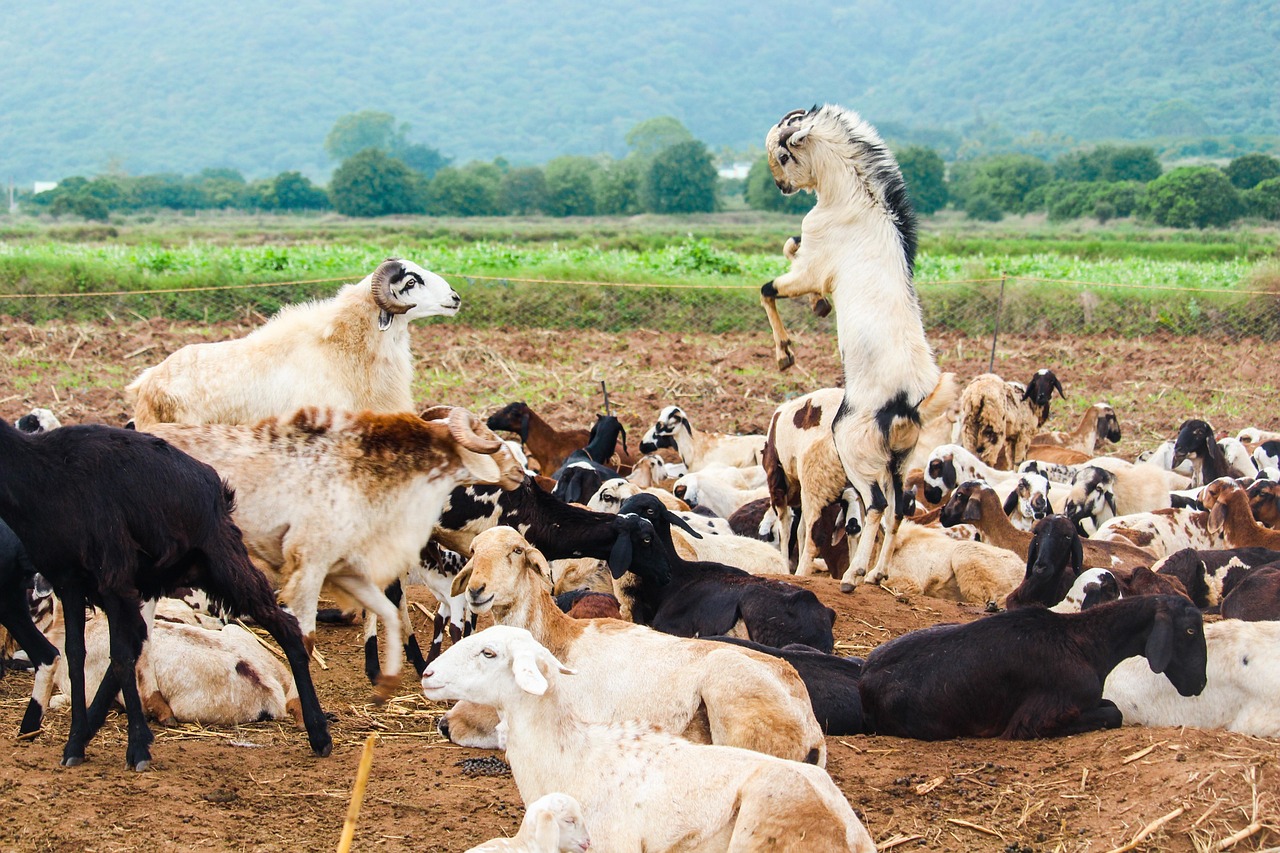
Port Sudan/Rome: A herder’s hands tremble as she steadies her last goat, its ribs sharp under her fingers, while a veterinarian prepares a syringe in the dust of a North Darfur camp. This animal is more than livestock—it’s her family’s shield against starvation, their sole currency for milk, meat, and hope.
Across Sudan, millions like her face a merciless foe: not just war and famine, but diseases that can wipe out entire herds overnight. The Food and Agriculture Organization of the United Nations (FAO), partnering with Sudan’s government, has launched a four-month, nationwide campaign to vaccinate 9.4 million animals, starting this October and running through January 2026.
From the bustling docks of Port Sudan, this campaign aims to address invisible killers that have haunted Sudan’s livestock for decades. Peste des petits ruminants, a vicious virus hitting sheep and goats since the 1970s, sparks fever, pneumonia, and can kill up to 90% of unprotected flocks. Recent tests in places like River Nile State show 84% of animals carry signs of exposure.
Sheep and goat pox, another viral menace, covers animals in painful sores and chokes their lungs, flaring up in cooler months and striking 60% of mixed herds in past outbreaks.
Contagious bovine pleuro-pneumonia, a century-old cattle plague, causes hacking coughs and lung damage, with up to 9% of southern herds testing positive, spread by roaming cattle.
African horse sickness, carried by tiny midges, fells horses critical for transport, with over 85% of Khartoum’s equines showing exposure.
And anthrax, a deadly bacterium lurking in soil since 1917, surges after rains, hitting goats and sheep hardest in May and July outbreaks.
For Sudan’s three million-plus pastoralists and agro-pastoralists, these animals are everything—milk for children, meat for markets, and cash from exports to Arab and Gulf countries. Keeping herds healthy isn’t just about survival; it’s about fueling a fragile economy with every step a cow takes or every gallon of milk sold.
“This campaign arrives at a desperate hour,” says Hongjie Yang, FAO’s Representative in Sudan. Famine grips North Darfur’s Zamzam, Abu Shouk, and Al Salam camps, and the Western Nuba Mountains, with 24.6 million people—over half the nation—facing crisis-level hunger, including 638,000 in catastrophic conditions through May 2025. Losing a single cow can shatter a displaced family’s fragile survival.
To pierce conflict-blocked routes, FAO is pioneering cross-border vaccine deliveries from Chad into Darfur and West Kordofan, a first coordinated with the UN’s humanitarian arm and FAO Chad. These missions carry chilled vials to isolated communities, defying war-torn paths.
Backed by the European Union, Switzerland, Sweden, China, FAO’s emergency fund, and other donors, this effort is more than a shield for animals—it’s a lifeline for food security and an economy on the brink. As the veterinarian jabs the herder’s goat, she exhales, knowing this small act could anchor her family’s future.
The stakes could not be higher in a country where livestock underpins rural life, providing nutrition and income for millions amid escalating hardships. By targeting transboundary and zoonotic threats, the campaign aims to curb the spread of diseases that cross borders as easily as herders do, protecting not only Sudan’s herds but also those in neighbouring regions. This proactive step addresses the root of recurring losses, where outbreaks have historically decimated flocks and deepened poverty cycles.
Beyond immediate health gains, the initiative promises to bolster Sudan’s standing as a key livestock exporter, generating foreign currency essential for economic recovery. With healthier animals, domestic markets can stabilise, ensuring more reliable supplies of animal protein for urban consumers and reducing reliance on costly imports. For pastoral communities, this means stronger resilience against shocks, from droughts to conflicts, allowing families to rebuild without the constant fear of herd wipeouts.
As the four-month drive unfolds, it represents a critical intervention in Sudan’s unfolding crisis, aligning with global efforts to eradicate diseases like peste des petits ruminants by 2030. Success here could serve as a model for other conflict-affected areas, demonstrating how targeted aid can turn the tide on hunger and instability. In Sudan’s vast landscapes, where survival hinges on the strength of its animals, this vaccination effort offers a path toward stability, one protected herd at a time.
– global bihari bureau