Gaza Crisis Deepens Despite Rare Aid Drop
Geneva/Washington/New York: A rare medical aid convoy entered Gaza on June 25, 2025, the first since Israel’s March 2 blockade, but a deadly strike on a Deir al Balah market the next day killed over 20 and injured 70, highlighting a dire humanitarian crisis where violence, starvation, and a collapsing health system threaten 2 million residents, the United Nations World Health Organization reported.
The nine-truck shipment, carrying 2,000 units of blood and 1,500 units of plasma through the Kerem Shalom crossing, reached hospitals like Nasser Medical Complex, where cold storage units now hold supplies for facilities overwhelmed by trauma cases. Dr. Luca Pigozzi, WHO’s Emergency Medical Team Coordinator in Gaza, called it “only a drop in the ocean” of need, with nearly half of the medical stocks depleted. “Definitely, people get shot,” Pigozzi told reporters, describing how residents, including young men, face gunfire and blast injuries at non-UN aid distribution points. “They are victim of blast injuries as well and bodily injuries, for sure,” he added, noting the strain of treating a “high volume of patients every time” in a battered health system.
Thursday’s market strike flooded Al Aqsa Hospital, Nasser Medical Complex, and two other facilities with casualties, the UN’s Office for the Coordination of Humanitarian Affairs reported. Stéphane Dujarric, Spokesman for the UN Secretary-General, condemned the violence, stating, “Civilians continue to be killed, and they continue to be injured daily — whether in Israeli air strikes, shelling, or while trying to just find food for their families. These tragic events must not be accepted as normal, ever.” OCHA noted 410 Palestinians killed by Israeli forces at non-UN aid hubs since March, per the UN human rights office, with daily airstrikes and shelling worsening the toll.
A surge in preventable diseases compounds the crisis, with OCHA reporting 19,000 cases of acute watery diarrhoea, 200 cases of acute jaundice syndrome, and 200 cases of bloody diarrhoea in two weeks, driven by shortages of clean water, sanitation, and hygiene supplies. Dujarric tied these outbreaks to “the lack of clean water and the lack of sanitation in Gaza,” stressing “the urgent need for fuel, the urgent need for medical supplies, the urgent need for water, the urgent need for sanitation and the urgent need for hygiene items” to avert further collapse of a public health system in a “dire, dire situation.”
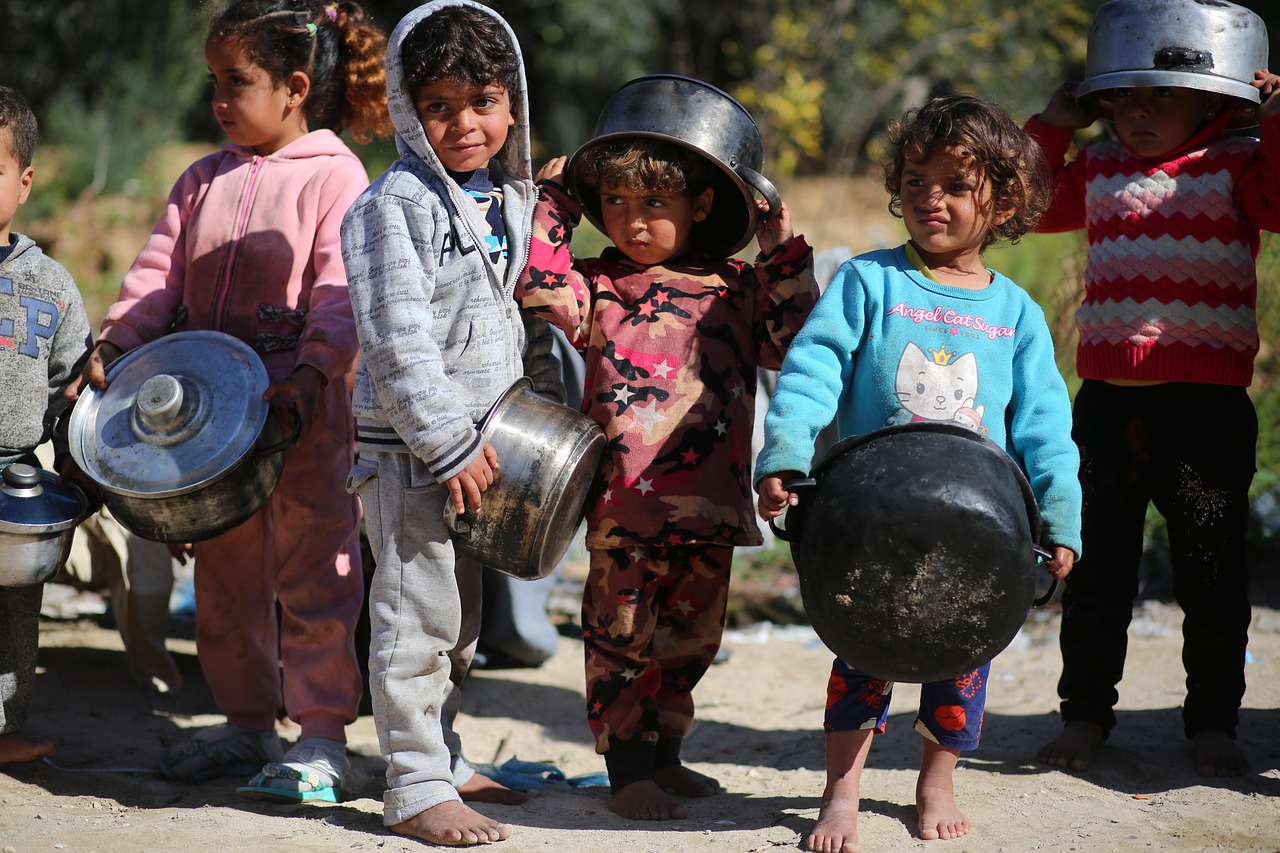
Dr. Rik Peeperkorn, WHO’s representative in the occupied Palestinian territory, speaking from Jerusalem, detailed access barriers, with 44 per cent of UN and partner staff entry requests denied since March. On Wednesday, six of 17 humanitarian movement attempts, including water trucking and road repairs, were rejected by Israeli authorities. “That’s really unfortunate and should not happen, because you don’t want to see those desperate people and specifically desperate young men risking their lives to get some food either,” Peeperkorn said, urging open routes to “flood the market with food and non-food items and water, et cetera, et cetera, and including essential medicines in a most cost-effective manner.” He criticised non-UN aid hubs backed by Israel and the United States, where chaotic rushes often turn deadly.
The U.S. has championed the Gaza Humanitarian Foundation, which distributed 46 million meals, as State Department spokesperson Thomas Pigott noted on June 26, announcing $30 million in approved funding. “A track record of distributing over 46 million meals distributed to date, all while preventing Hamas looting, is absolutely incredible and should be commended and supported,” Pigott said, urging other nations to contribute. With Gaza’s 2 million residents, this averages 20 meals per person over a month, far from sufficient. Pigott deflected questions about violence at distribution sites, stating, “We refer you to the IDF on their investigations,” and noting, “I would remind you that many of these reports, some of these reports, are based in Hamas propaganda.” He echoed Spokesperson Tammy Bruce’s stance that “Hamas bears sole responsibility for this conflict,” citing their “barbaric” actions.
Critics, including the UN and Arab nations, question the foundation’s limited reach—four southern sites, no northern access, monitored by Israeli forces, raising concerns about international norms. A former American contractor with the foundation, writing in Zeteo, described workers hungry and sleep-deprived, some eating aid meant for Palestinians, and recounted “crying women trying to pick up food for their families” denied scraps, calling it “absolutely horrific.” Pigott, pressed on this, emphasised the foundation’s success and ceasefire efforts, stating, “Every single day we’ve been working on that — the humanitarian situation — trying to address that every single day.”
In the West Bank, OCHA reported escalating settler violence. On Thursday, hundreds of settlers, some armed and with Israeli forces, raided Kafr Malik in Ramallah, burning homes with residents inside, killing three. In Asira al Qibliya, 20 settlers torched farmland. Dujarric expressed alarm, stating, “We are gravely concerned about escalating violence there and we condemn the attacks by Israeli settlers against Palestinians,” urging Israel to “protect civilians in the West Bank and humanitarian personnel” and ensure “those responsible for these attacks must be held to account” under international law.
Diplomatically, U.S. Special Envoy David Witkoff emphasised the Abraham Accords, while Palestinian Authority President Abbas signalled peace hopes in a letter to President Trump. Public State Department-Palestinian Authority engagement remains limited, with Pigott stating, “Our focus now is the ceasefire we need to see. Our focus is getting to that ceasefire, standing with Israel’s right to defend itself.” WHO’s Christian Lindmeier, from Geneva, pleaded, “They have been killed on the way trying to get medical help, they have been killed inside hospitals. Now, additionally, they are being killed on the way to get food items, which are scarcely being provided. We have food and medical help minutes away across the border, sitting there and waiting for weeks and months by now. Just open the door.”
As Gaza faces restricted aid, disease surges, and violence, the UN’s call for access and peace confronts diplomatic complexities and contested narratives.
– global bihari bureau