Speaker Motion Deepens Parliament Rift
West Asia Crisis Sparks Stormy Sittings
Opposition Protests Stall Lok Sabha
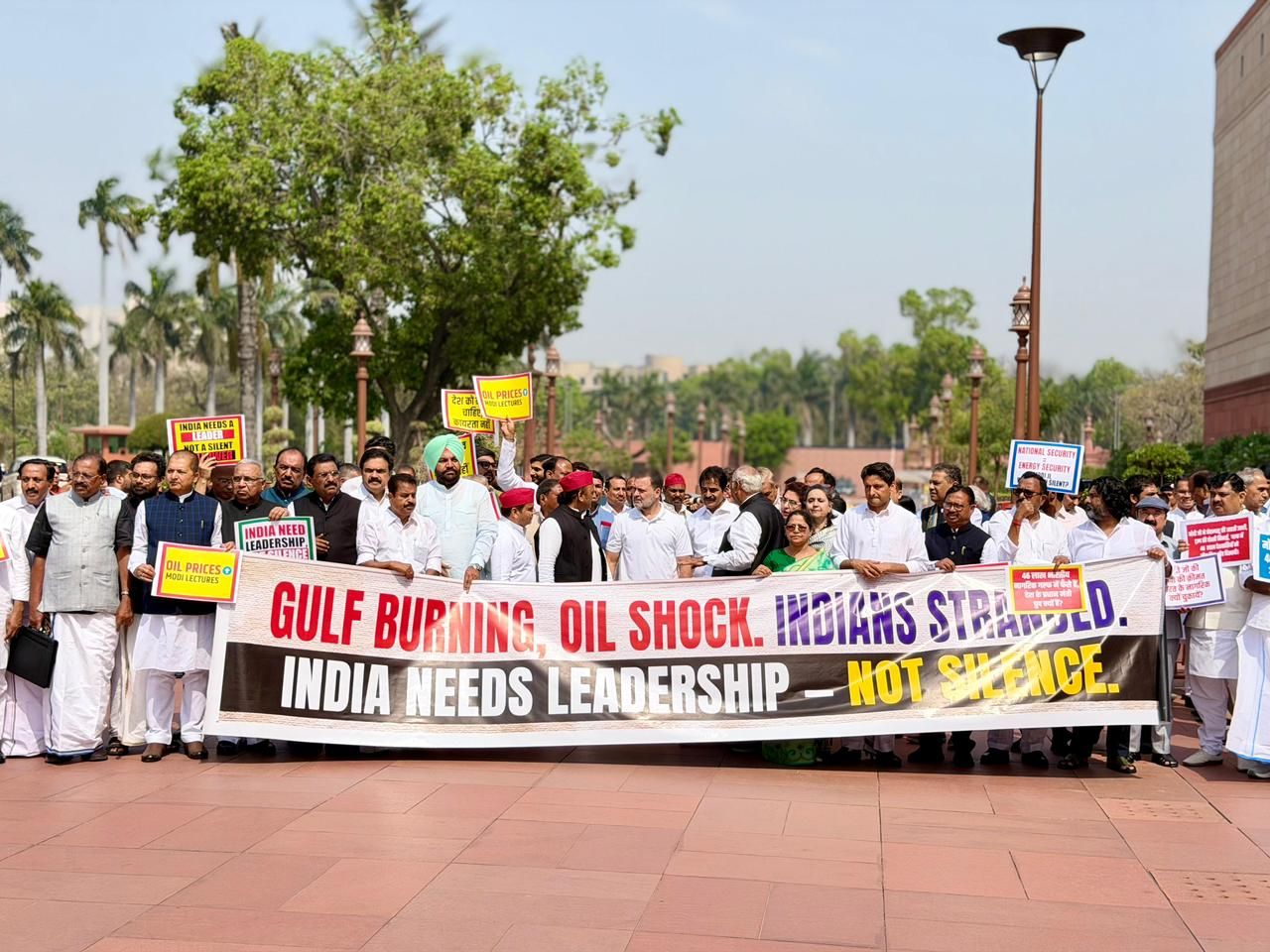
New Delhi: The Lok Sabha was dominated today by a nearly ten-hour debate on an opposition-sponsored resolution seeking the removal of Speaker Om Birla, amid fresh protests over the escalating West Asia conflict that had already disrupted Parliament the previous day. The motion, moved by Congress MP Mohammad Jawed and backed by 118 opposition MPs, including K. Suresh and Mallu Ravi, had been formally listed on March 9 but could not be taken up then due to repeated slogan-shouting and adjournments triggered by demands for a structured discussion on the Middle East crisis. On March 10, after more than 50 members stood in support, the House admitted the resolution and allocated nearly ten hours for debate.
Congress Deputy Leader Gaurav Gogoi opened the discussion, invoking the Supreme Court’s Nabam Rebia judgment to emphasise that the Speaker must exercise “elevated independence,” “impeccable objectivity”, and “absolute impartiality” as custodian of every member’s rights, rather than acting as a proxy for the government. Gogoi cited the prolonged absence of a Deputy Speaker, the selective suspension of opposition MPs, repeated microphone cut-offs during debates, delayed responses to notices, and frequent interruptions of Leader of Opposition Rahul Gandhi. He framed the motion as a constitutional duty to protect institutional balance, uphold the dignity of Parliament, and safeguard the impartial functioning of the Chair.
Treasury benches, led by Parliamentary Affairs Minister Kiren Rijiju, rejected these allegations as politically motivated, insisting that every decision by the Chair was in accordance with established parliamentary rules and conventions. Government members emphasised that orderly conduct is indispensable for maintaining legislative business, and accused the opposition of deliberately reducing debate time through repeated disruptions.
Congress MP Priyanka Gandhi Vadra intervened briefly in the House and addressed reporters at the Parliament complex, urging members to focus on substantive domestic matters, including inflation, unemployment, farmers’ challenges, and intensifying national crises rather than personal remarks or distractions. She underscored the importance of policy-focused debate and validated concerns raised by colleagues, including Rahul Gandhi, without editorialising or attributing any political spin.
The March 10 proceedings followed turbulence from March 9, when opposition MPs in both Houses pressed for a short-duration discussion under Rule 184 on the rapidly deteriorating situation in West Asia. They highlighted serious implications for India’s foreign policy, energy security amid crude oil price volatility, and the welfare of the large Indian diaspora, including students and professionals in Iran and Gulf countries. Minister of External Affairs Subrahmanyam Jaishankar delivered a suo motu statement in both Lok Sabha and Rajya Sabha, apprising members of continuous monitoring, issuing advisories against non-essential travel to Iran, and instructing nationals to register with embassies, stay in contact, and consider temporary relocation or departure if needed. He noted the activation of 24×7 helplines and special control rooms, and Prime Minister Narendra Modi had engaged directly with Gulf leaders to secure assurances for citizen safety. Jaishankar reported that over 67,000 Indian nationals had already returned from conflict-affected areas.
Opposition members argued that a ministerial statement could not substitute for full parliamentary scrutiny of diplomatic strategy, contingency planning, and potential domestic economic fallout. Slogans demanding debate echoed through both chambers, prompting intermittent adjournments. In the Rajya Sabha, Leader of the Opposition Mallikarjun Kharge submitted notices seeking discussion, but Deputy Chairman C. P. Radhakrishnan, presiding, declined to grant a separate debate. Protests continued during Jaishankar’s statement, culminating in a partial walkout by opposition members before limited business resumed.
The two-day sequence highlights the sharp divide between Parliament’s sides: opposition parties framed their interventions and the Speaker’s motion as vital to defend deliberative functions, citizen welfare abroad, institutional integrity, and meaningful oversight of major national and international issues. The government maintained that ministerial briefings adequately addressed urgent crises, that procedural adherence is critical for orderly functioning, and that repeated disruptions hinder the transaction of legislative and budgetary work. Despite adjournments, walkouts, and slogan-shouting, no significant legislative items were advanced during these sittings.
These events reflect the ongoing challenge in India’s parliamentary democracy: reconciling urgent public-interest scrutiny of foreign policy and diaspora welfare with the imperatives of procedural order, institutional integrity, and legislative functionality in a deeply polarised environment.
– global bihari bureau