Juba, South Sudan: Conflict, displacement, and disease are driving food insecurity and malnutrition to alarming levels in South Sudan, with Nasir and Ulang counties in Upper Nile state at risk of famine in the coming months. The impact of conflict and civil insecurity is exacerbating food insecurity, with an estimated 7.7 million people—57 per cent of the population—facing high levels of acute food insecurity (Integrated Food Security Phase Classification Acute Food Insecurity – IPC AFI Phase 3 or above, Crisis or worse) during the lean season projection period of April–July 2025. Among them, about 83,000 people (almost 1 percent of the population analyzed) are expected to experience catastrophic hunger (IPC AFI Phase 5) in several areas: 12,000 people in Pibor County of Greater Pibor Administrative Area; 15,000 in Luakpiny/Nasir, 7,000 in Ulang, and 10,000 in Malakal counties of Upper Nile State; and 39,000 people returning to South Sudan after fleeing conflict in Sudan. Additionally, 2.4 million people (18 per cent of the population analysed) are facing emergency levels (IPC AFI Phase 4), and 5.2 million (38 per cent) are in crisis levels (IPC AFI Phase 3).


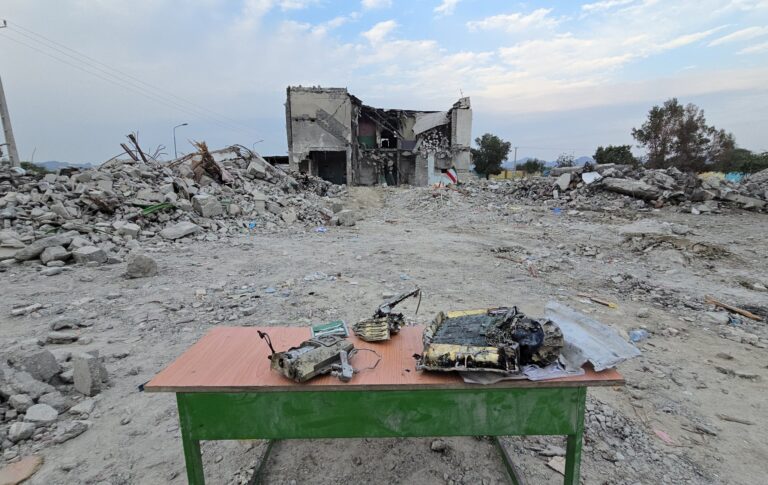
The latest Integrated Food Security Phase Classification (IPC) update shows a deterioration in food and nutrition conditions in areas hit by recent fighting, particularly in Upper Nile, where 11 of 13 counties face emergency hunger levels (IPC Phase 4). Intense clashes and aerial bombardments in Nasir and Ulang since March have destroyed homes, disrupted livelihoods, and blocked humanitarian aid, placing these counties at risk of famine (IPC Phase 5) in the worst-case scenario. Some 32,000 people in Upper Nile are in catastrophic hunger conditions, more than three times the previous projection. The IPC projection update covered 54 counties previously classified in IPC AFI Phase 4, with results for the remaining 25 counties retained from prior analysis. Compared to the October 2024 projection of 7.69 million people in IPC AFI Phase 3 or above, this update shows an increase of 46,000 people. Ulang and Nasir have deteriorated, with populations falling into IPC Phase 5, while Uror in Jonglei State improved, with no population in Phase 5 compared to 10,000 previously. (IPC AFI Phase 3 or above refers to acute food insecurity levels classified as Crisis (Phase 3), Emergency (Phase 4), or Catastrophe/Famine (Phase 5), indicating severe food shortages requiring urgent action to prevent hunger, malnutrition, or death).
Food insecurity is primarily driven by conflict and civil insecurity, which force displacement, disrupt markets and livelihoods, and hinder multi-sectoral humanitarian assistance. Other factors include an economic crisis marked by local currency depreciation, high food prices, and eroding household purchasing power, alongside climatic shocks like flooding, which damage agricultural production, markets, and infrastructure such as roads. The most affected are poor households without assets like livestock, those with depleted food stocks due to low agricultural production, communities near stagnant swamplands prone to waterborne diseases, and people displaced by recent conflict. The most food-insecure states, with over 50 percent of their populations in IPC AFI Phase 3 or above between April and July 2025, include Unity (67 percent), Upper Nile (66 percent), Jonglei (61 percent), Northern Bahr el Ghazal (60 percent), Central Equatoria (57 percent), Warrap (55 percent), and Lakes (54 percent). Additionally, 85 per cent of returnees from Sudan are likely in IPC AFI Phase 3 or above.
A risk of famine (RoF) assessment was conducted for Nasir, Ulang, Pibor, and Fangak counties based on worst-case scenario assumptions. Only Nasir and Ulang were classified as facing a plausible famine risk, while Pibor and Fangak were excluded due to mitigating factors or insufficient evidence. Malakal County and returnees were considered but excluded from RoF analysis due to minimal aggravating factors or insufficient data.
Humanitarian access in conflict-affected areas remains severely constrained, leaving 1.04 million people in Upper Nile—66 per cent of the state’s population—in crisis (IPC Phase 3), emergency (IPC Phase 4), or catastrophic (IPC Phase 5) hunger levels during the lean season. Current humanitarian food security assistance is insufficient to meet the needs of those in IPC Phase 3 or above, falling short even for those in Phases 4 and 5, despite reprioritisation to high-severity areas. “South Sudan cannot afford to sink into conflict at this point in time. It will plunge already vulnerable communities into severe food insecurity, leading to widespread hunger as farmers are prevented from working their land,” said Meshack Malo, FAO Country Representative in South Sudan. “Improvement from IPC Phase 4 to Phase 3 in ten counties is a clear testament to the dividends of peace.”
“Once again, we are seeing the devastating impact conflict has on food security in South Sudan,” said Mary-Ellen McGroarty, WFP Country Director in South Sudan. “Conflict doesn’t just destroy homes and livelihoods, it tears communities apart, cuts off access to markets, and sends food prices spiralling upward. Long-term peace is essential, but right now, it is critical our teams are able to access and safely distribute food to families caught in conflict in Upper Nile, to bring them back from the brink and prevent famine.”
Malnutrition is surging amid a cholera outbreak, with three additional counties in Upper Nile and Unity states reaching the most critical malnutrition classification (IPC AMN Phase 5). Acute malnutrition cases have increased by 10.5 per cent, with 2.3 million children under five now at risk, up from 2.1 million, translating to 218,000 children needing treatment between July 2024 and June 2025. Of 80 counties analysed, 62 show deteriorating acute malnutrition, with 11 likely to worsen to a higher AMN phase: Luakpiny/Nasir, Ulang, and one other county moving from IPC AMN Phase 4 to Phase 5; Gogrial East, Tonj North, and Torit from Phase 3 to Phase 4; and Mundri East, Mundri West, Tambura, and Nagero from Phase 2 to Phase 3. Additionally, 42 counties deteriorated within their current phase, including Baliet within Phase 5 and 37 within Brooks>within Phase 4. Nine counties retained their prior AMN classification. Deterioration is attributed to conflict disrupting health and WASH services, increased disease burden (malaria, diarrhoea, cholera), and funding cuts to humanitarian assistance. Nutrition response is hampered by financial constraints, with gaps in nutrition and medical supplies and suspended outreach services, increasing risks of acute malnutrition and mortality.
“These latest projections place a further 200,000 young children at high risk of malnutrition. The ongoing challenges with access in some of the most affected areas, as well as health and nutrition site closures, reduce the chances of early intervention and treatment. In addition, the cholera outbreak has added to an already difficult situation, putting young lives in a precarious fight for survival,” said Noala Skinner, UNICEF Country Representative in South Sudan. “Now more than ever, we need continuity and scale-up of services for prevention and treatment of malnutrition.”
Shrinking humanitarian resources and access constraints compound the crisis. Urgent, large-scale, multi-sectoral action and protection of humanitarian access are critical to prevent starvation, death, and a potential full-blown famine, save lives, and protect livelihoods across South Sudan.
– global bihari bureau