Photos courtesy: UNEP
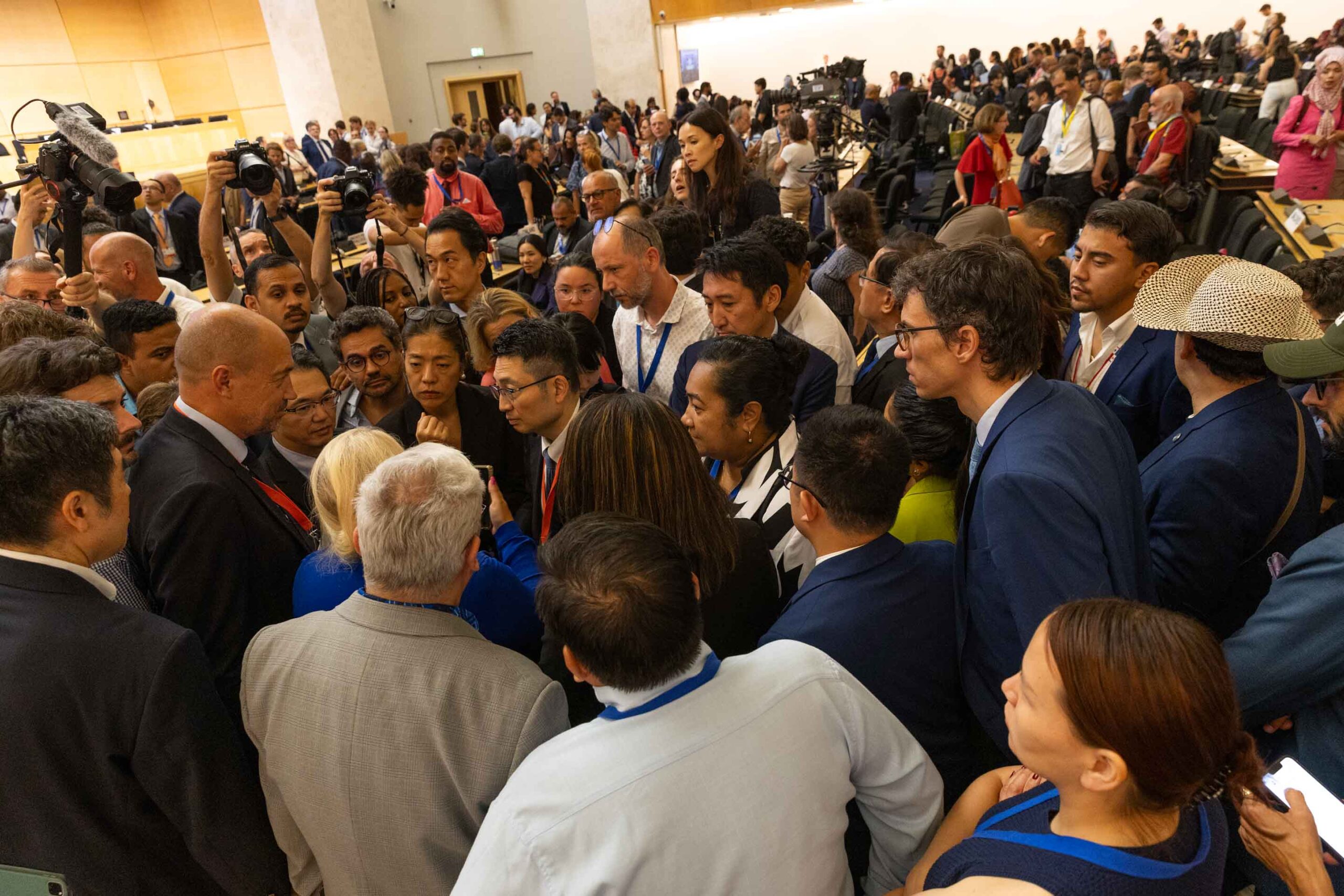
Geneva: The Intergovernmental Negotiating Committee (INC) concluded its resumed fifth session (INC-5.2) at the Palais des Nations after ten days of intense negotiations, failing to produce a legally binding treaty to combat plastic pollution. This second major setback since talks began in 2022 not only stalls action on a crisis clogging oceans, poisoning ecosystems, and infiltrating human bodies but also jeopardises progress toward the 2030 Sustainable Development Goals (SDGs), as 183 nations pledged to reconvene at an unspecified date to address persistent divisions.
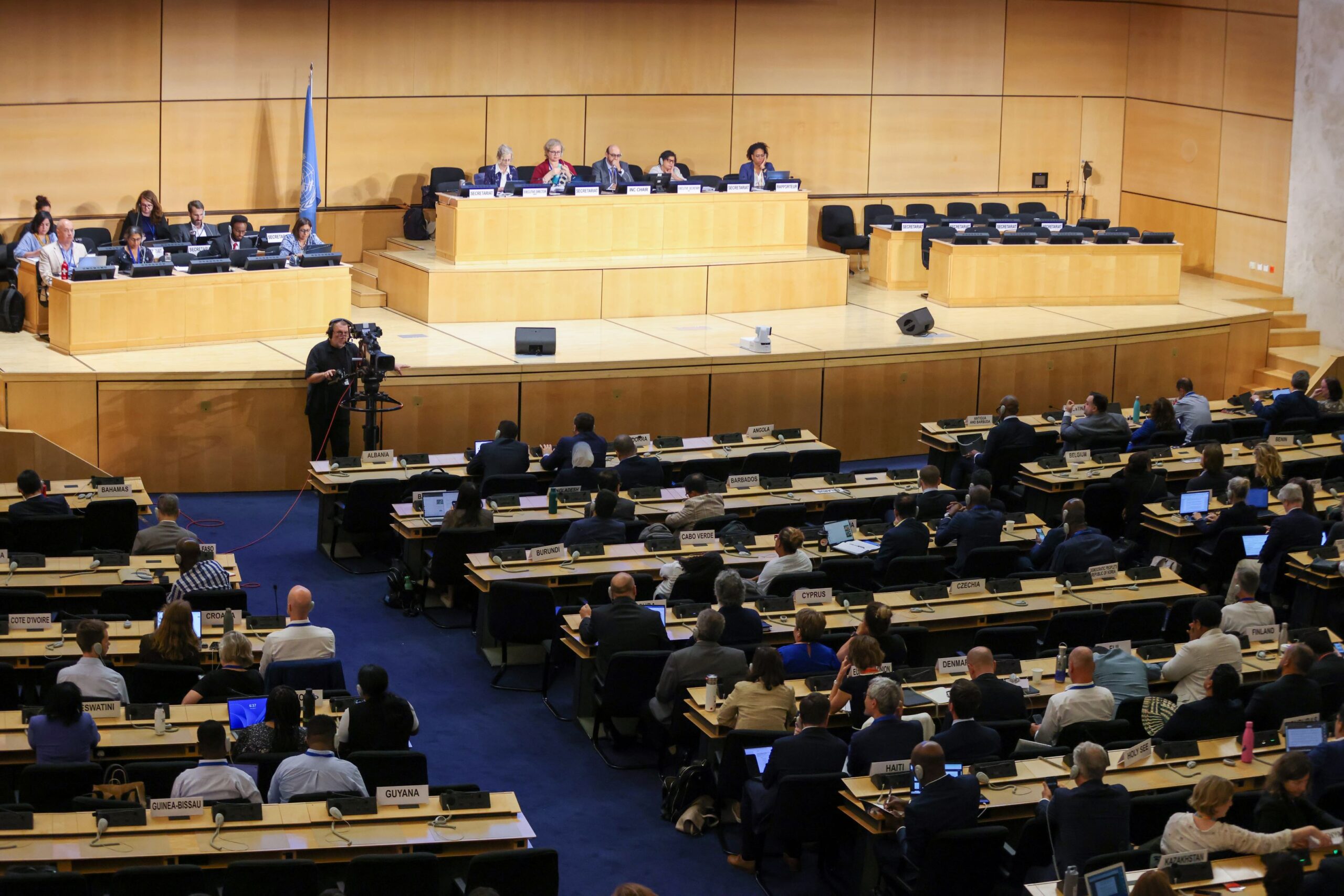
The session attracted over 2,600 participants—1,400 delegates from 183 countries, nearly 1,000 observers from 400 organisations, 70 ministers, and 30 high-level representatives—aiming to finalise a treaty text targeting plastic pollution across its lifecycle, with a critical focus on marine environments. Building on a Chair’s Text from INC-5.1 in Busan, Republic of Korea (November 2024), the talks followed a structured process: an opening plenary, four contact groups addressing plastic product design, chemicals of concern, production caps, financing, and compliance, a stocktake plenary, informal consultations, and a closing plenary on August 15. Despite Chair Ambassador Luis Vayas Valdivieso issuing a Draft Text Proposal and a Revised Text Proposal, disagreements over production limits, chemical regulations, and funding mechanisms prevented consensus, delaying action on a crisis involving an estimated 170 trillion microplastic particles polluting oceans, according to UNEP data.
Inger Andersen, UN Environment Programme (UNEP) Executive Director, acknowledged the impasse but urged persistence: “This has been a hard-fought 10 days against the backdrop of geopolitical complexities, economic challenges, and multilateral strains. However, one thing remains clear: despite these complexities, all countries clearly want to remain at the table.” She emphasised plastic pollution’s pervasive impact—contaminating groundwater, soil, rivers, oceans, and human tissues—and reaffirmed UNEP’s commitment to continue the fight. The failure reflects deep divisions, with some nations advocating strict production caps and others prioritising economic flexibility, though specific positions were not disclosed in official outcomes.
The treaty’s delay threatens several SDGs critical to the 2030 Agenda. SDG 14 (Life Below Water) is directly at risk, as marine plastic pollution disrupts fisheries and ecosystems vital to billions. SDG 12 (Responsible Consumption and Production) faces setbacks, with plastic production projected to nearly double from 464 million tons in 2020 to 884 million tons by 2050 without intervention, undermining sustainable waste management and circular economies, per UNEP estimates. SDG 6 (Clean Water and Sanitation) suffers from plastics polluting groundwater and rivers, while SDG 3 (Good Health and Well-Being) is jeopardised by microplastics carrying toxins into human bodies. SDG 15 (Life on Land) is impacted by soil degradation and wildlife harm. The cumulative economic toll of plastic waste, potentially reaching $281 trillion by 2060 according to UNEP projections, could divert resources from SDG 1 (No Poverty) and SDG 13 (Climate Action), amplifying the crisis’s stakes. The treaty, designed as a lifecycle approach, was poised to advance these goals through reduced single-use plastics, enhanced recycling, and global cooperation—now stalled by the lack of agreement.
Launched in March 2022 at the UN Environment Assembly (UNEA-5.2), the INC process has faltered through five sessions—Punta del Este (2022), Paris (2023), Nairobi (2023), Ottawa (2024), and Busan (2024)—each struggling to balance environmental ambition with economic realities. INC-5.2 aimed to finalise a text and identify issues for a diplomatic conference, but unresolved questions on production caps, chemical bans, and financing for developing nations persist. Chair Valdivieso called for renewed effort: “Failing to reach the goal we set for ourselves may bring sadness, even frustration. Yet it should not lead to discouragement. On the contrary, it should spur us to regain our energy, renew our commitments, and unite our aspirations.” He expressed hope that “the day will come when the international community will unite its will and join hands to protect our environment and safeguard the health of our people.”
Civil society amplified the urgency, with Indigenous Peoples, waste pickers, artists, youth, and scientists staging protests, art installations, and press briefings around the Palais des Nations. Their actions highlighted plastic pollution’s toll on biodiversity, livelihoods, and health, with microplastics ingested by marine life and humans, carrying toxic chemicals, according to scientific studies. Jyoti Mathur-Filipp, INC Secretariat Executive Secretary, emphasised, “As this session concludes, we leave with an understanding of the challenges ahead and a renewed and shared commitment to address them. Progress must now be our obligation.”
The repeated failure casts a long shadow over global environmental governance, exposing the challenge of uniting diverse interests amid geopolitical and economic divides. Informal roundtables on the session’s margins signalled ongoing diplomacy, but the absence of a timeline for future talks fuels concerns about waning momentum. With plastic production on track to triple by 2060 without action, per UNEP forecasts, the delay risks escalating a crisis that undermines sustainable development and planetary health. As nations depart Geneva, their commitment to reconvene offers hope, but the lack of a clear path tests global resolve. The INC’s next steps will determine whether the world can align to protect ecosystems and achieve the SDGs by 2030, with the future of oceans, lands, and communities hanging in the balance.
– global bihari bureau