 By
By Knowledge, Discipline, and Reflection Mark Saraswati Chaturthi
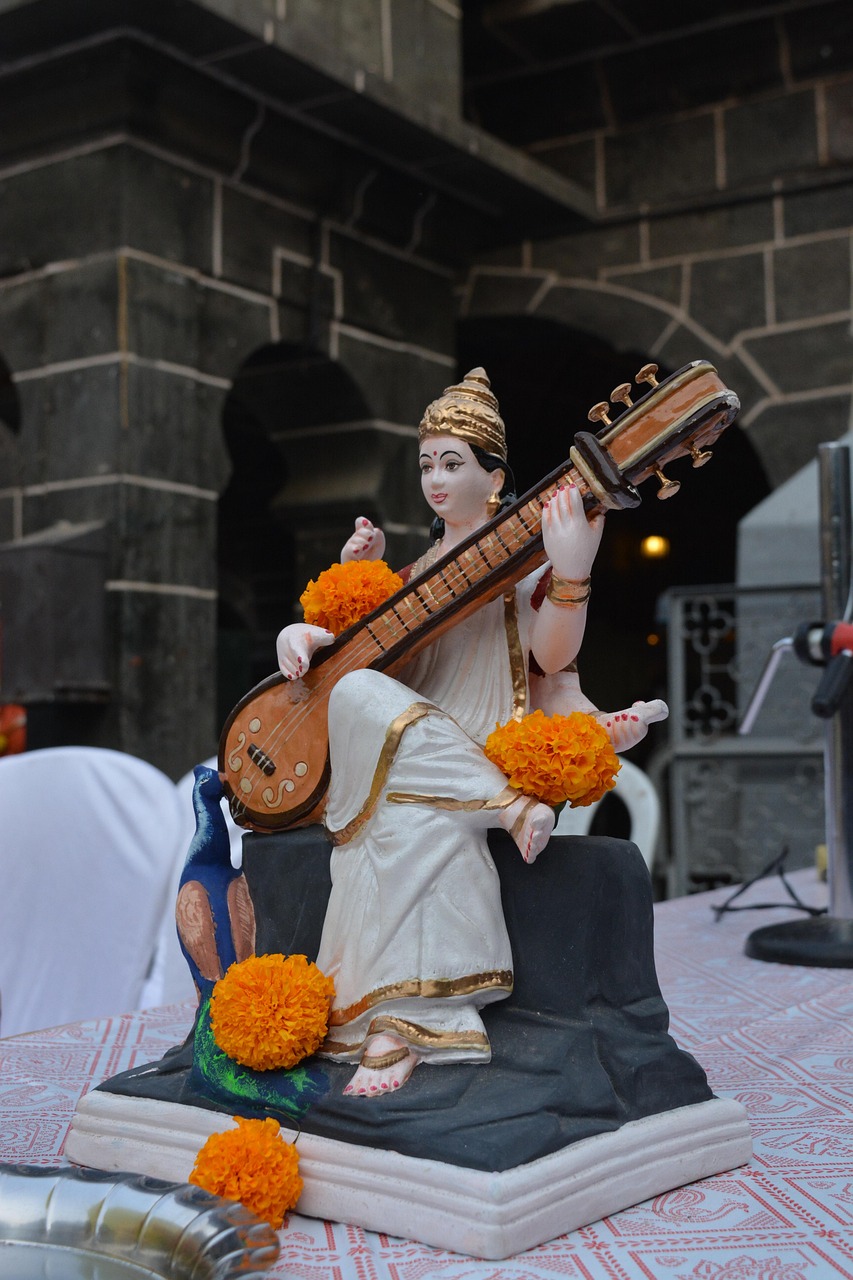
As the winter sun bathes towns and villages across India in a soft golden light, homes are being swept and decorated, schools hum with activity, and markets brim with yellow flowers—the colour of learning, wisdom, and prosperity. Amid this preparation for Basant Panchami, the festival dedicated to Goddess Saraswati, a day of introspection quietly asserts its importance: Saraswati Chaturthi, observed the day before, serves as a moment to pause, reflect, and reconnect with the deeper purpose of learning.
Rooted in India’s ancient gurukul tradition and inspired by the concept of sankalp, the conscious resolve that precedes all meaningful beginnings, Saraswati Chaturthi is intended as a day of reflection, discipline, and reverence for knowledge. It restores the rhythm of preparation before celebration, contemplation before rejoicing, and purification before festivity—qualities that have long been central to Indian civilisation.
By dedicating a day to reflection, students, educators, and citizens are invited to evaluate their educational journeys, renew their commitment to lifelong learning, and cultivate virtues such as discipline, curiosity, humility, and gratitude. The day also encourages individuals to collect, organise, cherish, and honour books and learning materials, reaffirming the cultural sanctity of knowledge.
Across India, Basant Panchami is celebrated as an auspicious occasion devoted to Goddess Saraswati, the divine embodiment of wisdom, learning, music, language, and the arts. While the festival is marked with vibrant rituals, songs, prayers, and cultural programmes, Saraswati Chaturthi provides a spiritual and intellectual prelude, grounding the celebrations in reflection and purpose. Observing the day ensures that knowledge is approached with humility and preparedness, rather than haste or superficiality.
The observance does not seek to replace or alter any existing religious or cultural traditions. Instead, it aims to enrich Basant Panchami by reviving the preparatory spirit intrinsic to Indian philosophy. Educational institutions, described as the “temples of modern India,” are encouraged to adopt the day actively. Schools, colleges, and universities are reminded that education is not merely a route to employment but a sacred journey encompassing character, culture, and consciousness.
Saraswati Chaturthi reinforces the principle that knowledge flourishes only when approached with devotion, reflection, and readiness. By dedicating a day to these practices, students and educators can reconnect with the joy of learning, cultivate deeper understanding, and approach both study and life with renewed focus and purpose.
The observance concludes with a collective reminder to prepare before celebrating, reflect before rejoicing, and learn before proclaiming, reinforcing India’s enduring tradition of reverence for learning. In a world increasingly focused on speed and results, Saraswati Chaturthi offers a rare moment to pause, recalibrate, and honour the sacred pursuit of knowledge.
“Jai Maa Sharde,” the observance concludes, echoing across homes, schools, and libraries, symbolising both devotion and the timeless rhythm of Indian education.