 By Dr Birbal Jha*
Some festivals are not only observed and celebrated in the rich fabric of Indian cultural tradition; they are also experienced, felt, lived and transmitted as ethical legacies. During Raksha Bandhan, for example, tying a simple thread takes on a profoundly emotional and moral importance.
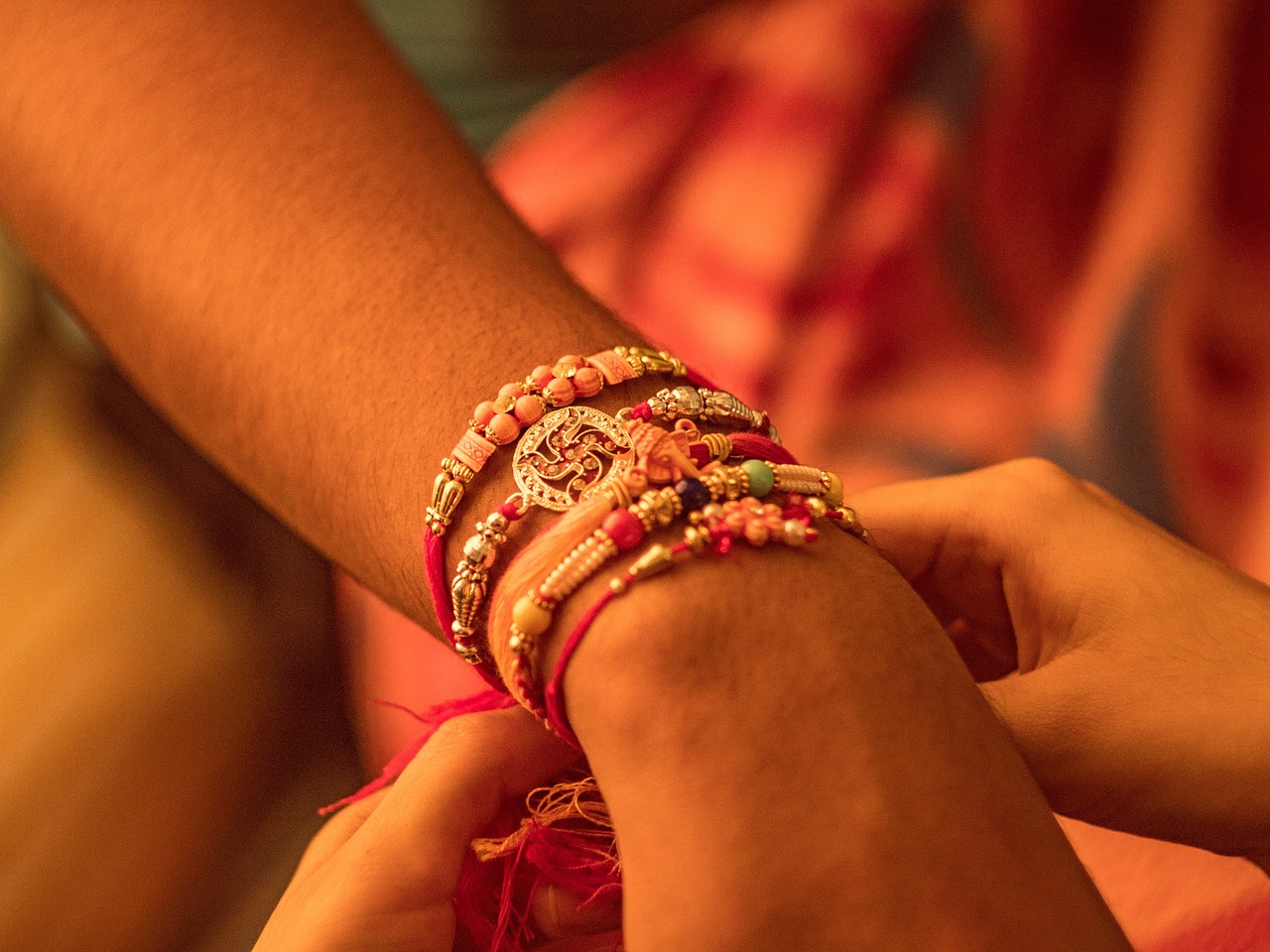
Traditionally, the festival marks the special bond between brothers and sisters. The sister ties a Rakhi around her brother’s wrist, and he pledges to protect her through and stand by her through thick and thin. Yet to reduce this ritual to a mere exchange would be to miss its deeper meaning. At its core, Raksha Bandhan is about trust, respect, care, and the shared responsibility to uphold one another’s dignity, identity, prosperity and well-being.
In today’s world, the idea of “protection” extends far beyond physical safety. It now embraces emotional support, respect for choices, and the nurturing of each other’s aspirations. This makes Raksha Bandhan not a one-sided vow but from ritual of mutual respect and commitment to stand by each other through life’s challenges, full of ups and downs.
Our culture is our identity. The tilak, the aarti, the Rakhi, and the sweets are not empty gestures; they are living symbols of a civilisation that values relationships above material gain. And ethics is the force that gives these traditions purpose — inspiring us to extend the Rakhi’s promise to friends, neighbours, soldiers, and all who stand as guardians of trust and safety.
Raksha Bandhan reminds us that safeguarding someone is not just about shielding them from harm; it is about protecting their dreams, freedoms, and self-worth. In an age of growing individualism, this festival rekindles the collective spirit that binds us as a society.
This year, as we celebrate Raksha Bandhan, let us tie not just a thread, but a pledge — to live by values of equality, compassion, and mutual respect. For while a Rakhi is made of silk and beads, what it truly binds are hearts, values, and the timeless spirit of India.
*A noted author and a social entrepreneur