Afghan Stability Debate: NATO Responsibility vs Regional Approach
New York: In a stark appeal to the international community, the Fourth Quadripartite Meeting of Foreign Ministers of China, Iran, Pakistan, and Russia, held on September 25, 2025, on the sidelines of the 80th session of the United Nations General Assembly in New York, explicitly called on NATO members to bear primary responsibility for Afghanistan’s current plight. The ministers urged the immediate lifting of unilateral sanctions and the return of Afghanistan’s overseas assets to support economic recovery and future development. They underscored that Afghanistan’s sovereignty, independence, and territorial integrity must be respected, and they cautioned against the re-establishment of foreign military bases, describing such actions as inherently destabilising and detrimental to regional peace.
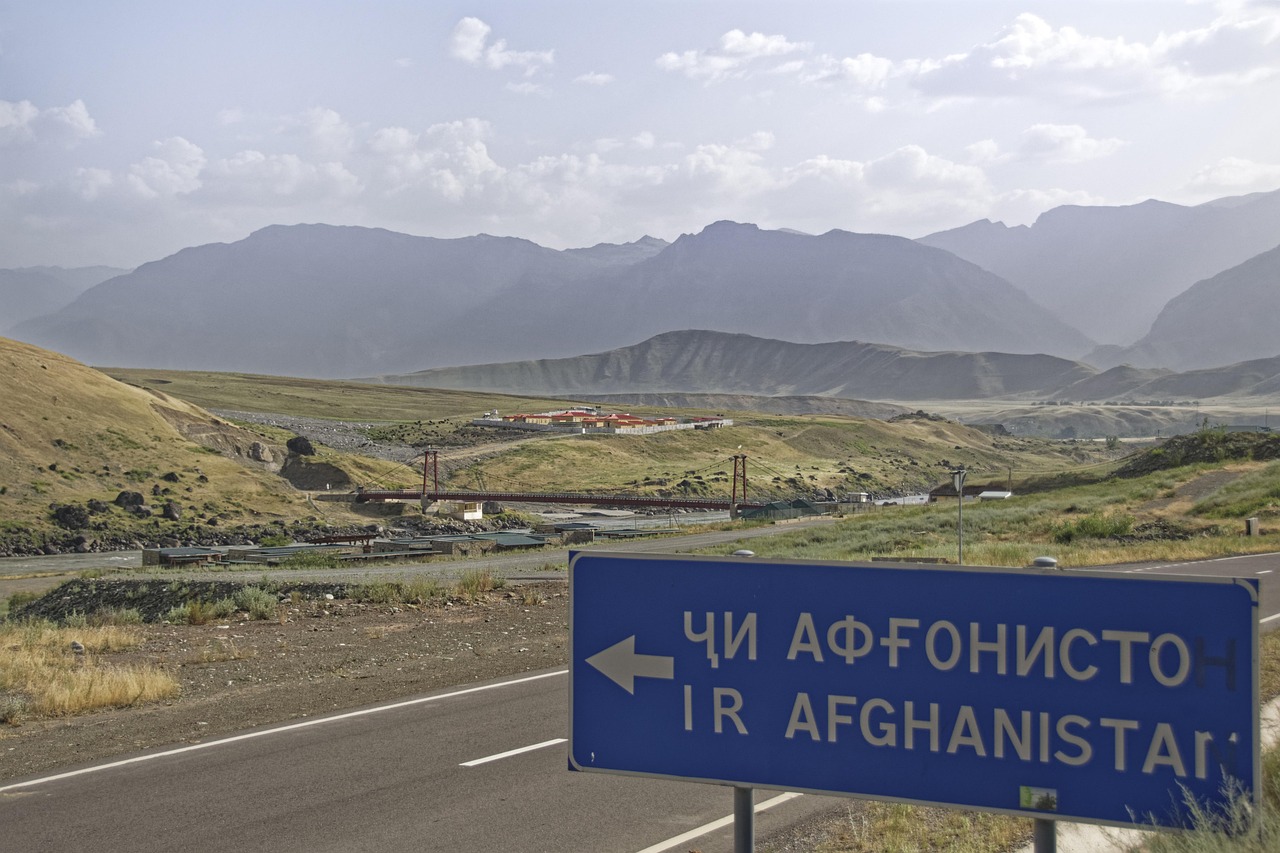
The Quad ministers’ appeal comes amid intensifying Afghan–Pakistan border tensions. On November 25, 2025, Pakistani air strikes allegedly targeted civilian areas in Khost province, killing nine children and one woman, while strikes in Kunar and Paktika provinces wounded additional civilians. Afghanistan condemned the strikes as violations of its sovereignty, while Pakistan denied responsibility. These incidents followed a series of cross-border clashes in October 2025, resulting in civilian casualties and the closure of key trade points, highlighting the fragile security along the 2,400-kilometre frontier and the risk of escalating militancy and economic disruption.
For India, the Quad ministers’ statement resonates only partially. New Delhi supports sanctions relief, asset returns, and economic revival but maintains that sustainable Afghan stability must be anchored in regional solutions involving Afghanistan’s immediate neighbours, including Iran, Pakistan, China, and Central Asian states. India has consistently emphasised that Afghan-led, Afghan-owned mechanisms are central to stability, as reflected in the Ministry of External Affairs’ October 10, 2025, joint statement with Afghanistan, which reaffirmed counterterrorism commitments, non-use of Afghan territory for attacks, and the primacy of regional coordination. India’s approach links sovereignty, institution-building, and structural development with security guarantees, trade facilitation, and connectivity, ensuring that external interventions complement rather than supplant Afghan ownership.
Economic revival, restoration of basic services, and east-west integration within Afghanistan, highlighted by the Quad ministers as key priorities, align with India’s view that governance, economic stability, and security are mutually reinforcing imperatives. However, India stresses that such measures will be effective only if neighbouring states actively coordinate on security, counterterrorism, and economic initiatives. The recent Afghan–Pakistan clashes reinforce India’s contention that economic recovery must go hand in hand with concrete security measures to prevent cross-border militancy.
India has taken tangible steps in support of these objectives. It has facilitated sanctions easing through United Nations mechanisms, including adjustments under the 1988 regime, and channelled over $100 million in humanitarian aid since 2021. Infrastructure and trade initiatives, such as Chabahar port connectivity — with a U.S. waiver renewed in October 2025 — underscore India’s commitment to fostering Afghan economic integration and regional trade. Afghan Foreign Minister Amir Khan Muttaqi’s visit to New Delhi in October 2025, conducted under a UN sanctions waiver, further highlighted institutional capacity building, trade pledges, and cooperation frameworks, reflecting India’s hands-on regional engagement.
Strategically, India’s approach is further reinforced by Russia’s January 2025 proposal to include India in the Quad framework, aligning with the Shanghai Cooperation Organisation and Moscow Format initiatives to promote regional stability. India’s policy also finds validation in its abstentions on certain UN resolutions, including the July 2025 UN General Assembly vote emphasising the role of regional partners, demonstrating consistency in advocating that Afghanistan’s future must be shaped primarily by regional cooperation rather than externally imposed solutions.
Humanitarian concerns remain central. Both the Quad ministers and India emphasise the protection of civilians, particularly women, children, and displaced populations. India links this imperative directly with regional security coordination, maintaining that effective counterterrorism and border stabilisation measures are essential to ensure that economic recovery and humanitarian assistance translate into lasting peace.
The juxtaposition of the Quad’s call for NATO accountability and India’s insistence on regional solutions illustrates two complementary yet distinct paradigms. The Quad framework highlights external responsibility for past destabilisation, while India emphasises regional ownership, cooperative mechanisms, and Afghan-led governance as prerequisites for enduring stability. Both approaches recognise the interdependence of economic revival, governance reform, and security stabilisation, yet India’s paradigm foregrounds immediate neighbours’ active participation as the foundation for sustainable peace.
In conclusion, the Fourth Quadripartite Meeting presents a comprehensive framework: lifting sanctions, returning assets, restoring Afghan institutions, and promoting East-West integration. The ongoing Afghan–Pakistan clashes underscore the immediacy of security challenges, while India’s proactive regional engagement demonstrates that enduring peace in Afghanistan will require a delicate balance of internal institution-building, neighbourhood cooperation, and targeted external facilitation. The analytical contrast between NATO-focused external accountability and India’s regional solution framework offers crucial insight into the evolving geopolitics of Afghan stabilisation.
– global bihari bureau