Photo by Rahul Laxman Patil
 By Nava Thakuria*
Bangladesh to Vote on February 12 Without Awami League
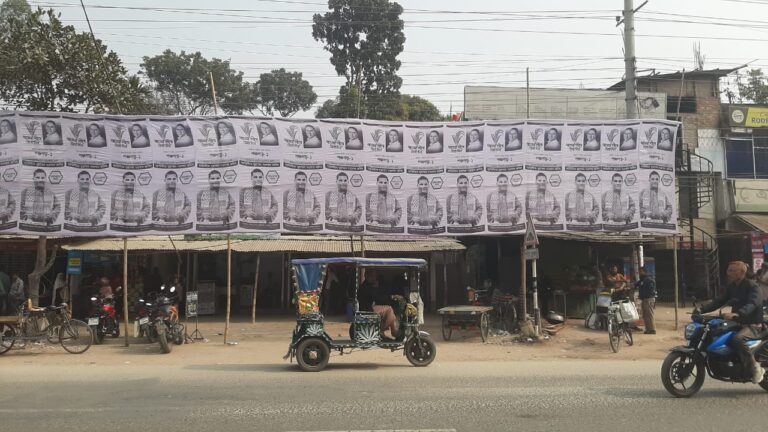
Bangladesh will go to the polls on February 12, 2026, in an election shaped by the exclusion of ousted Prime Minister Sheikh Hasina’s Awami League, widespread security deployment, rising attacks on religious minorities, and strained relations with neighbouring India. The vote, to elect the country’s 13th Jatiya Sansad, will be conducted under the interim government led by Nobel laureate Dr Muhammad Yunus, formed after the collapse of Hasina’s long-ruling administration following a mass uprising last year.
According to the Bangladesh Election Commission, a total of 127,711,895 voters are eligible to cast ballots, including more than 4.5 million newly registered young voters who have recently attained the age of 18. Polling will be held at 42,766 stations nationwide with 785,225 presiding and polling officers on duty. More than 900,000 security personnel are expected to be deployed to ensure law and order during the process. Voting will take place from 7:30 am to 4:30 pm. Campaigning, which began on 22 January, ended at 7:30 pm on 10 February, and the authorities imposed a ban on public rallies and processions for 96 hours before and after polling day. Nearly 500 foreign election observers and over 150 journalists from 45 international media organisations have arrived in the country to monitor the exercise.
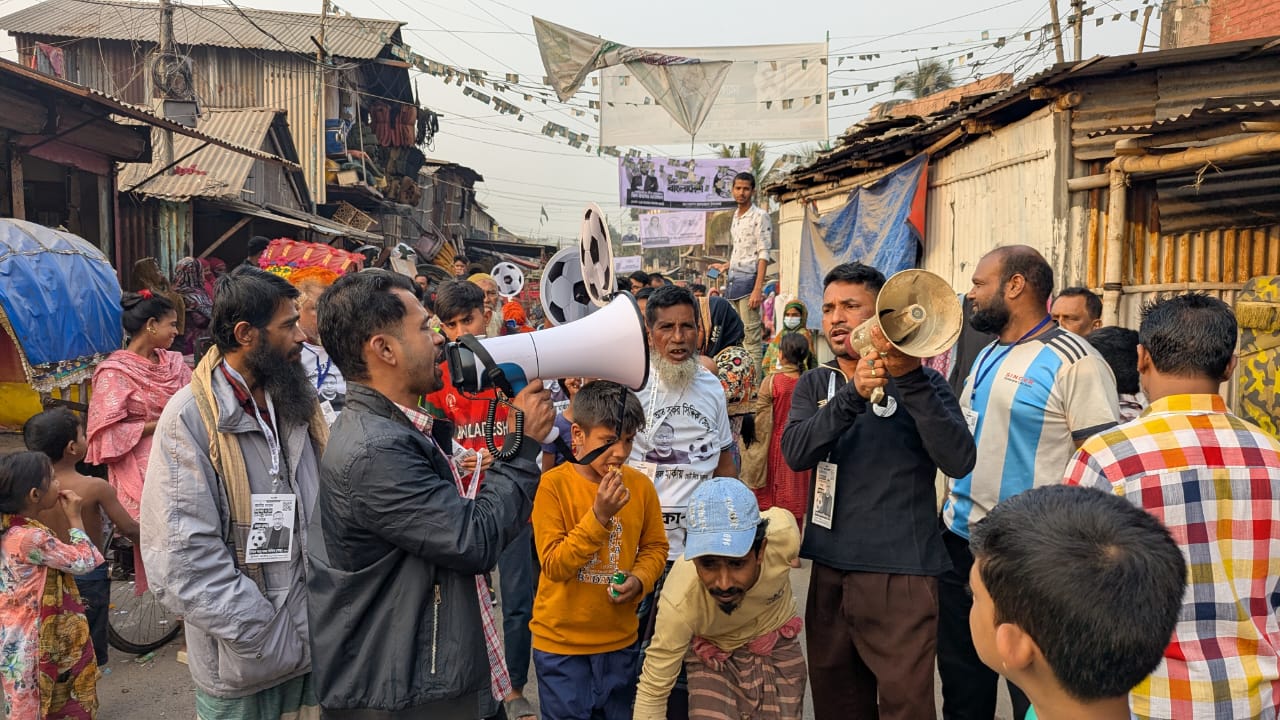
A total of 2,034 candidates from 51 political parties and 275 independents are contesting 299 parliamentary seats, as voting in one constituency has been postponed due to the death of a Jamaat-e-Islami Bangladesh candidate. Only 78 women candidates, including 17 independents, are in the fray. An additional 50 seats in Parliament are reserved for women and will be filled through indirect elections.
The election follows the dramatic overthrow of Sheikh Hasina’s government after a student-led mass uprising in July–August 2024, which left more than 1,400 people dead, including minors. Hasina, who had ruled Bangladesh since 2009 after winning consecutive elections, fled the country on August 5, 2024, and took temporary shelter in India, where she continues to reside in the Delhi region. Widely regarded as pro-India, the septuagenarian leader was recently convicted by a Bangladeshi court and sentenced to death in absentia for crimes against humanity. The Yunus administration has pursued her extradition, a move that has contributed to a deterioration in relations between Dhaka and New Delhi ahead of the polls.
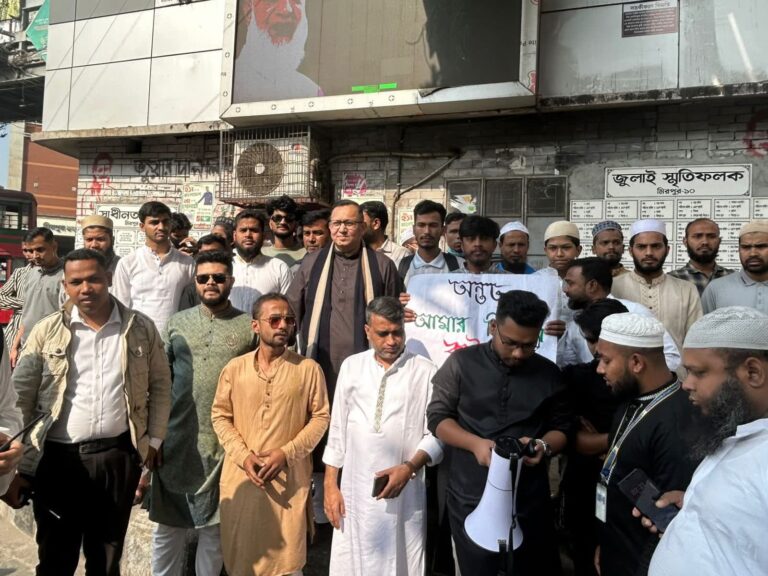
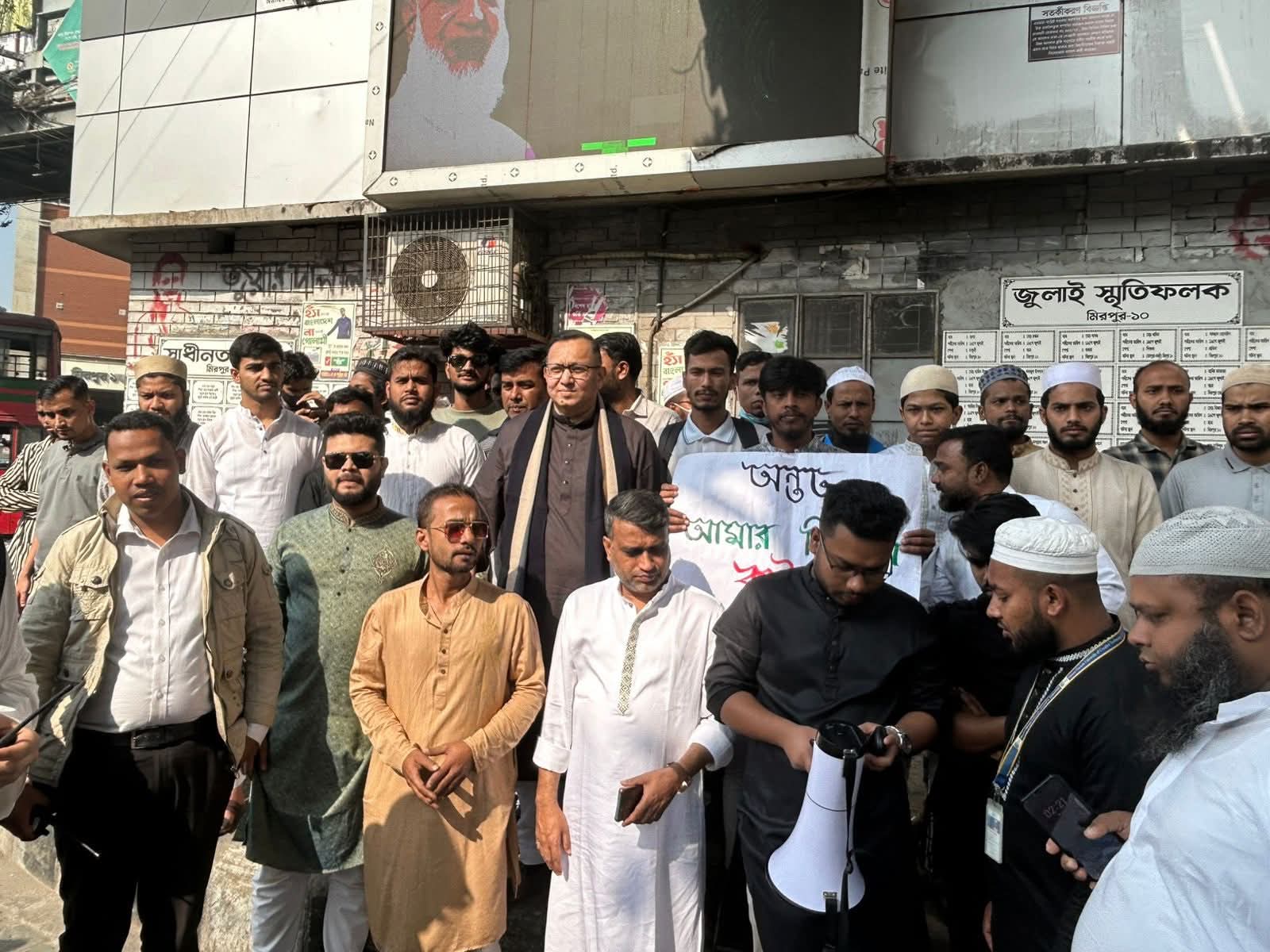
Political instability deepened further after the shooting of Sharif Osman Bin Hadi, a young leader who emerged during the 2024 unrest targeting the Hasina regime. Hadi later died in Singapore on December 18, 2025, while undergoing medical treatment. Rumours that his assailants had fled to India triggered renewed anti-India and anti-Hindu sentiment inside Bangladesh. Thousands of incidents were reported in which extremist groups targeted non-Muslims, prompting sharp reactions from India. Demonstrations erupted in front of Indian missions in Bangladesh, followed by counter-protests outside Bangladeshi missions in India. Both countries restricted tourist visas and summoned each other’s high commissioners several times to lodge formal protests.
India’s foreign ministry has stated that more than 2,900 incidents of attacks on religious minorities were reported in Bangladesh under the Yunus-led interim government, describing the continued hostility against Hindus, Christians and Buddhists as a matter of grave concern. Independent sources have recorded nearly 200 deaths in mob violence over the past year. The Bangladesh Hindu, Buddhist and Christian Unity Council has also reported a sharp increase in minority-targeted attacks following the political upheaval.
A series of lynchings and killings in recent months has drawn international attention. On December 18, 2025, Deepu Chandra Das, 29, was lynched and his body set on fire in Mymensingh over an alleged blasphemy charge. This was followed by the lynching of Amrit Mondal, 30, in Rajbari on December 24. Bajendra Biswas, a 42-year-old garment factory worker, was shot dead by a colleague in Mymensingh on December 29. Businessman Khokon Chandra Das, 50, was hacked and set on fire in Shariatpur and died in hospital on January 3, 2026. Samir Kumar Das, 28, an auto-rickshaw driver, was stabbed to death in Chittagong on January 11. The mysterious deaths of Akash Sarkar, a Jagannath University student in Dhaka, along with Mithun Sarkar, Proloy Chaki and Sarat Chakraborty Mani, further added to fears among minority communities.
New Delhi-based Rights and Risks Analysis Group documented a surge in targeted attacks against the Hindu minority, attributing the violence to Islamist forces operating under the guise of election-related unrest. Its director, Suhas Chakma, said temples had been deliberately set on fire, residential properties vandalised and minorities physically assaulted. Bangladesh recorded more than 520 communal attacks in 2025, in which over 60 non-Muslims were killed and at least 28 cases of rape and other forms of violence against women were reported. Attacks on religious sites and desecration of Hindu deities were also documented. Chakma said that official denials of any religious angle had emboldened extremist elements, while victims often described targeted arson as accidents or criminal acts out of fear of reprisals. Bangladesh’s government press wing acknowledged that at least 274 violent incidents occurred following Hadi’s killing during the second half of December.
Political tensions escalated further on 23 January when Hasina addressed the media at the Foreign Correspondents’ Club in New Delhi through an audio message, her first public appearance since leaving Dhaka. She accused the Yunus administration of presiding over what she called an illegal and violent regime and personally attacked Yunus, describing him as a murderous fascist, money launderer and traitor. She denied all charges of crimes against humanity framed against her. Dhaka reacted sharply, accusing New Delhi of giving her a platform that worsened tensions between the two neighbours.
From Dhaka, a local trader observed that elections in Bangladesh have long been controversial and recalled that when the Bangladesh Nationalist Party stayed away from past polls in 2014, 2018 and 2024, voter turnout was low. He questioned why the absence of the Awami League in the forthcoming election should be viewed differently. He acknowledged that Hasina’s continued stay in India had complicated bilateral relations and argued that both ruling and opposition parties in India tended to view Bangladesh largely through her political lens. He also raised the issue of why thousands of Awami League leaders were reportedly allowed to remain in India, particularly in New Delhi and Kolkata.
As Bangladesh prepares for polling day, the election is unfolding against a backdrop of regime change, communal violence, diplomatic strain and deep political uncertainty, making it one of the most closely watched and sensitive votes in the country’s recent history.
*Senior Journalist