Modi Unveils Self-Reliant India Vision
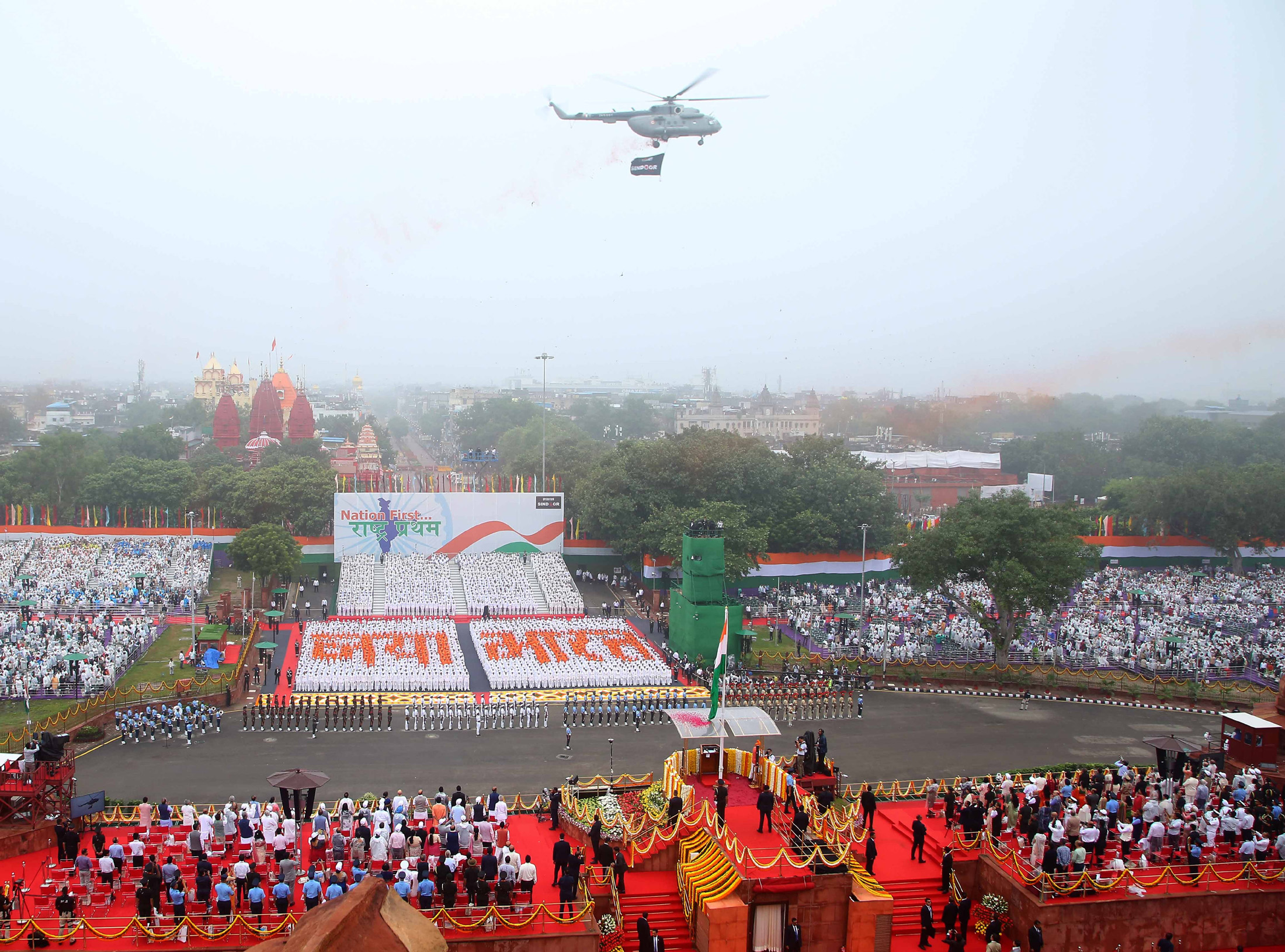
 New Delhi: In an 103-minute address from the ramparts of the Red Fort on India’s 79th Independence Day, Prime Minister Narendra Modi unveiled a sweeping vision for a self-reliant, developed nation by 2047, blending military resolve against terrorism with ambitious economic reforms and warnings on demographic shifts, while hailing the sacrifices of freedom fighters and the contributions of everyday citizens in a speech that echoed themes of unity, innovation, and national pride amid ongoing natural calamities and global uncertainties.
The address, delivered on August 15, 2025, marked Modi’s 12th Independence Day speech and stood out for its length and decisiveness, positioning India as a nation transitioning from historical dependencies to strategic autonomy across multiple sectors. Modi began by invoking the collective spirit of 140 crore Indians, celebrating the Tricolour’s ubiquity under the ‘Har Ghar Tiranga’ campaign and paying homage to the Constitution’s framers, including Dr. Rajendra Prasad, Babasaheb Ambedkar, Pandit Nehru, Sardar Vallabhbhai Patel, and women like Hansa Mehta and Dakshayani Velayudhan. He also commemorated the 125th birth anniversary of Dr. Syama Prasad Mookerjee, linking his sacrifice to the abrogation of Article 370 and the principle of “One Nation, One Constitution.” This historical framing set the tone for a narrative that intertwined past struggles with future aspirations, emphasising how Constitutional ideals continue to guide national progress.
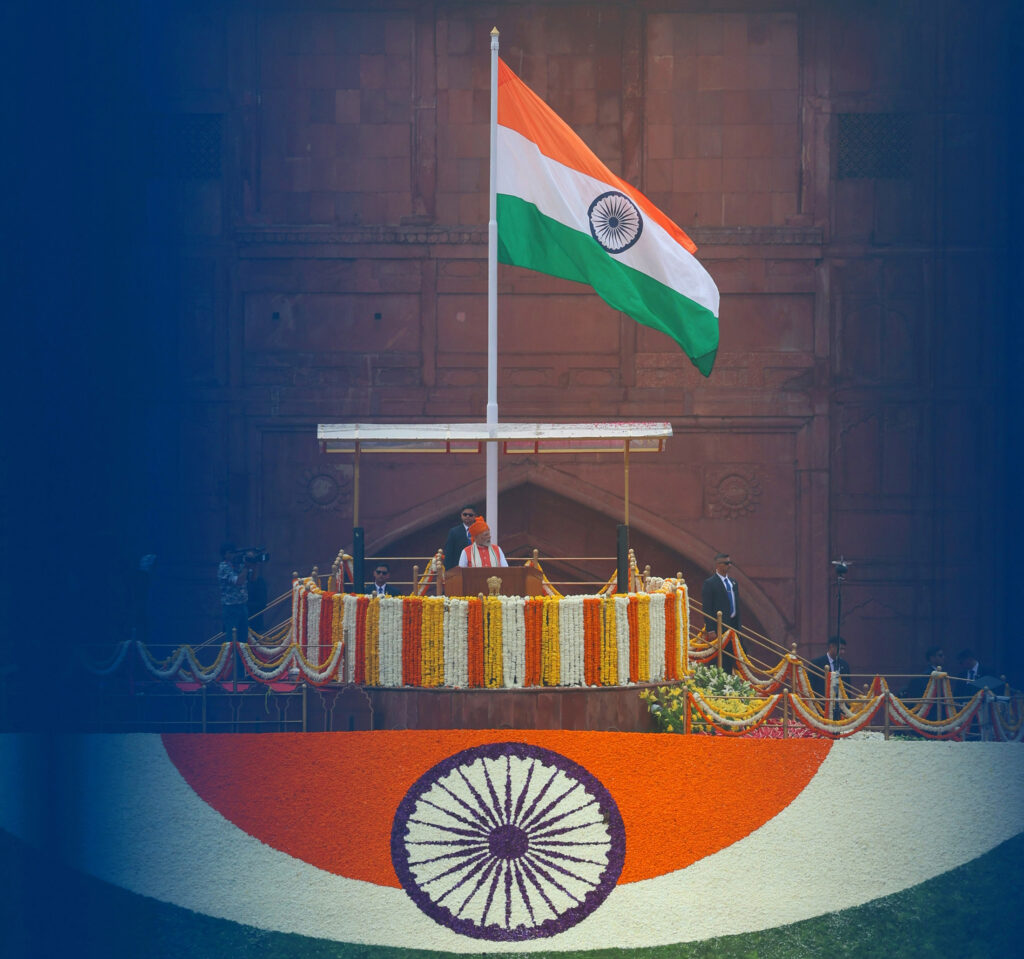
A central pillar of the speech was the emphasis on self-reliance, or Aatmanirbhar Bharat, portrayed not merely as an economic goal but as essential to preserving national capabilities and freedom. Modi highlighted how post-independence challenges in food security were overcome through farmers’ efforts, leading to self-sufficiency in grains, and extended this to contemporary sectors. In defence, he detailed Operation Sindoor, a military response to a terrorist attack in Pahalgam on April 22, 2025, where Indian forces penetrated enemy territory to dismantle terrorist infrastructure, utilising ‘Made in India’ weapons. This operation, he noted, demonstrated the fruits of a decade-long push for defence self-reliance, enabling swift action without external dependencies. The speech announced the Sudarshan Chakra Mission, inspired by mythological symbolism, to develop indigenous weapon systems for precise, retaliatory capabilities, with plans to expand a national security shield covering strategic and civilian sites by 2035. Such initiatives underscore a shift in India’s security posture, from tolerance of threats to proactive deterrence, including a firm stance against nuclear blackmail and terrorism sponsors.
Also read: PM’s I-Day Speech Fuels RSS Debate Fire
On the economic front, Modi outlined reforms aimed at fostering innovation and reducing dependencies from the ramparts of the Red Fort. He lamented the 50-60 year delay in semiconductor development, announcing that ‘Made in India’ chips would enter the market by year’s end, with six units already underway and four more approved. Energy self-reliance featured prominently, with commitments to a tenfold increase in nuclear capacity by 2047, involvement of the private sector, and the National Deepwater Exploration Mission for offshore resources. Solar energy’s thirtyfold growth in 11 years and achieving 50% clean energy five years ahead of the 2030 target were cited as evidence of accelerated progress, alongside investments in green hydrogen and hydropower. The speech critiqued the Indus Waters Treaty as unjust, declaring that waters originating in India would prioritise domestic farmers, signalling potential renegotiation or unilateral actions to address long-standing grievances over resource allocation.
Modi announced several citizen-centric measures, including next-generation GST reforms as a “Diwali gift” to lower taxes on essentials and benefit MSMEs, and the formation of a task force for comprehensive reforms to modernise laws and reduce compliance. A ₹1 lakh crore Pradhan Mantri Viksit Bharat Rozgar Yojana was launched, offering ₹15,000 to newly employed youth and incentives to companies, projected to create opportunities for 3.5 crore individuals. Agricultural advancements were spotlighted, with India leading globally in milk, pulses, and jute production, and exports exceeding ₹4 lakh crore; the PM Dhan-Dhanya Krishi Yojana targets 100 backward districts, while free vaccinations for livestock combat diseases like foot-and-mouth. In technology and innovation, Modi challenged youth to develop indigenous platforms in AI, cybersecurity, jet engines, fertilisers, EV batteries, and social media, drawing parallels to successes like UPI and COVID vaccines.
Social and cultural dimensions were woven throughout, with tributes to women’s empowerment through schemes like Lakhpati Didis—now numbering two crore—and Namo Drone Didi, alongside recognition of self-help groups and Mudra Yojana beneficiaries. Modi, from Red Fort, addressed poverty alleviation, noting 25 crore people lifted out of poverty in the last decade, creating a “neo-middle class,” and saturation approaches in schemes like Jan Dhan, Ayushman Bharat, and PM Awas. He warned of demographic changes due to infiltration, particularly in border areas, announcing a High-Powered Demography Mission to safeguard national security and livelihoods. Cultural pride was evident in references to classical language status for Marathi, Assamese, Bengali, Pali, and Prakrit; the Gyan Bharatam Mission for preserving manuscripts; and the 100th anniversary of the Rashtriya Swayamsevak Sangh, saluted for its service and discipline.
The speech also touched on health concerns like obesity, urging reduced oil consumption, and sports promotion via the Khelo India policy. Modi reflected on Naxalism’s reduction from 125 to 20 districts, transforming “Red Corridors” into development zones, and commemorated figures like Bhagwan Birsa Munda and Guru Tegh Bahadur. He reiterated the Panch Prana pledges—freedom from colonial mindsets, heritage pride, unity, and citizen duties—urging “Vocal for Local” and Swadeshi as mantras for prosperity.
Overall, Modi’s Red Fort speech presented a cohesive blueprint for Viksit Bharat, integrating security, economic, and social reforms with calls for collective resolve. It highlighted achievements like space milestones, including Group Captain Shubhanshu Shukla’s return and preparations for Gaganyaan, and critical minerals exploration. By framing self-reliance as a safeguard against vulnerabilities, Modi signalled India’s intent to emerge as a $10 trillion economy, technologically advanced and inclusive, while navigating challenges like natural disasters and global warming. The announcements from the ramparts fo the Red Fort, from energy missions to employment schemes, reflect a strategy to harness demographic dividends, foster innovation, and ensure equitable growth, positioning the nation for centennial celebrations in 2047.
– global bihari bureau