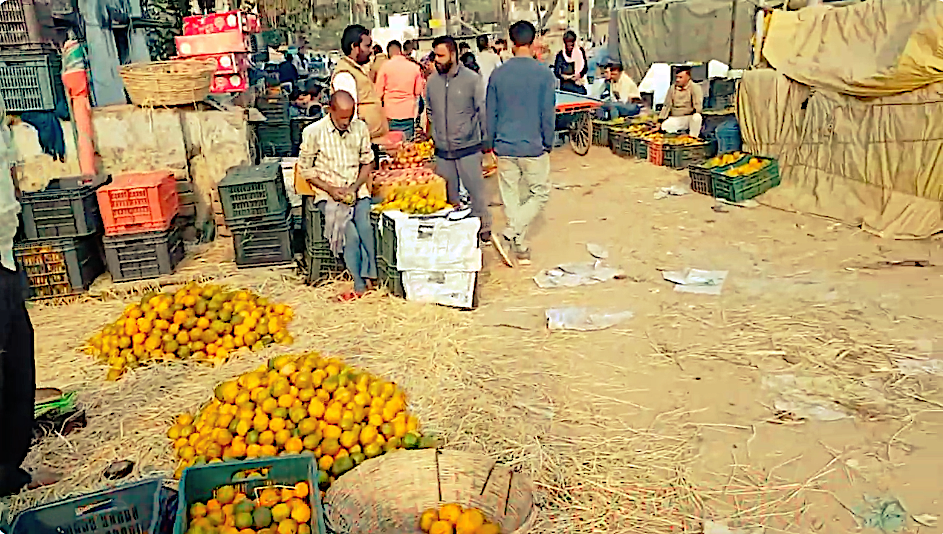
Patna: Patna’s Bazar Samiti, a sprawling wholesale market in the Sandalpur area, has long been a vital hub for Bihar’s commerce, attracting traders and suppliers from across the region. Its relentless activity, however, exacts a heavy toll on the residents of nearby neighbourhoods like Bahadurpur Bagicha and Sandalpur. Unregulated heavy vehicle traffic snarls narrow residential roads, uncollected waste accumulates in heaps, and the air grows thick with dust and pollution, highlighting severe environmental degradation. The absence of green recreational spaces further burdens families in this densely populated urban pocket, where open areas for leisure or play are virtually nonexistent.
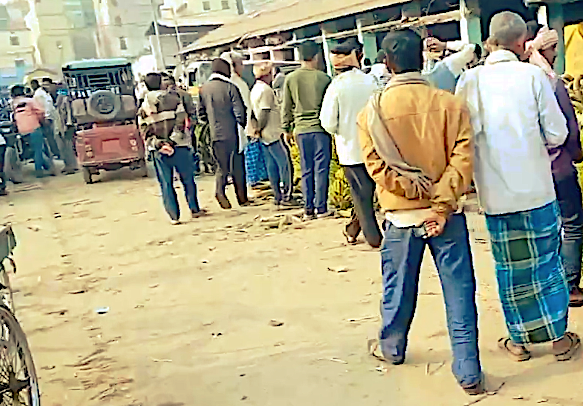
Once located on Patna’s outskirts, Bazar Samiti now sits incongruously at the heart of the city’s urban sprawl, its operations at odds with the needs of a modern city. The market’s daily churn—trucks rumbling through at all hours, overflowing garbage bins, and inadequate sanitation—has turned it into a source of frustration for residents. Local voices, from homemakers to shopkeepers, describe a neighbourhood pushed to its breaking point, where the demands of commerce overshadow basic community needs. The market’s outdated infrastructure struggles to handle the volume of trade, worsening the chaos and stifling prospects for urban renewal.
A growing push for change has emerged, led by Dr. Birbal Jha, an English litterateur, social worker, and Chairman of Mithilalok Foundation. In a formal letter to Bihar’s Urban Development and Housing Minister, Jibesh Kumar, registered under reference number ML-UDM-115/2025 and received by the Departmental Secretary, Dr. Jha has called for the market’s relocation. He describes the situation as a “pressing urban dysfunction,” arguing that maintaining a wholesale mandi in a residential core is unsustainable and harmful to public health, clashing with modern urban planning principles.
Dr. Jha’s proposal outlines a plan to relocate the market to a more suitable site outside the city’s central limits and transform the vacated land into a public park, featuring walking trails, greenery, seating areas, and play zones for children. The envisioned park aims to address the area’s environmental challenges and provide a community space, aligning with national initiatives like Swachh Bharat Abhiyan and the Smart Cities Mission. “A clean, green, and safe environment is not a privilege but a fundamental right of every urban resident,” Dr. Jha stated, emphasising the potential to reduce congestion and enhance community well-being.
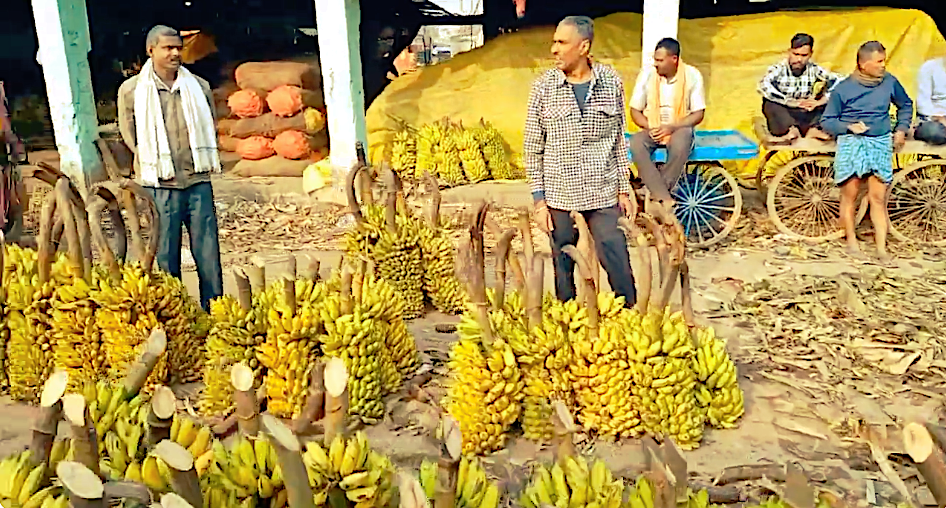
The proposal has resonated with many locals, who see it as a chance to reclaim their neighbourhood. Anita Devi, a homemaker in Sandalpur, spoke of her longing for a safe space for her children. “The roads are always choked with trucks, and the air is heavy with dust. We have nowhere for fresh air,” she said. Rajesh Kumar, a shopkeeper reliant on the market, acknowledges its economic role but supports relocation. “It’s tough for us too, with the mess and traffic. Moving it could benefit everyone,” he said, hopeful for a balanced solution.
However, the plan is not without challenges. Relocating a major market like Bazar Samiti could disrupt the livelihoods of traders and vendors, many of whom have operated there for decades. Urban planners note that identifying a suitable new location and securing funding for both the relocation and the proposed park could pose logistical hurdles. A senior official from the Urban Development Department, speaking anonymously, indicated that while the proposal is under consideration, the economic and infrastructural implications require careful review. The Minister’s office has acknowledged the petition, with sources suggesting it will be discussed in upcoming departmental meetings.
The debate over Bazar Samiti’s future reflects broader questions about Patna’s urban development path. For some, the proposed relocation represents a bold step toward sustainable, citizen-centric planning, offering a model for other congested markets across Bihar. Others caution that the economic costs and potential displacement of traders must be addressed to ensure an equitable transition. As discussions continue, residents of Sandalpur and Bahadurpur Bagicha hold onto hope for a neighbourhood transformed—not by the chaos of trucks and waste, but by the promise of greenery and community.
– global bihari bureau