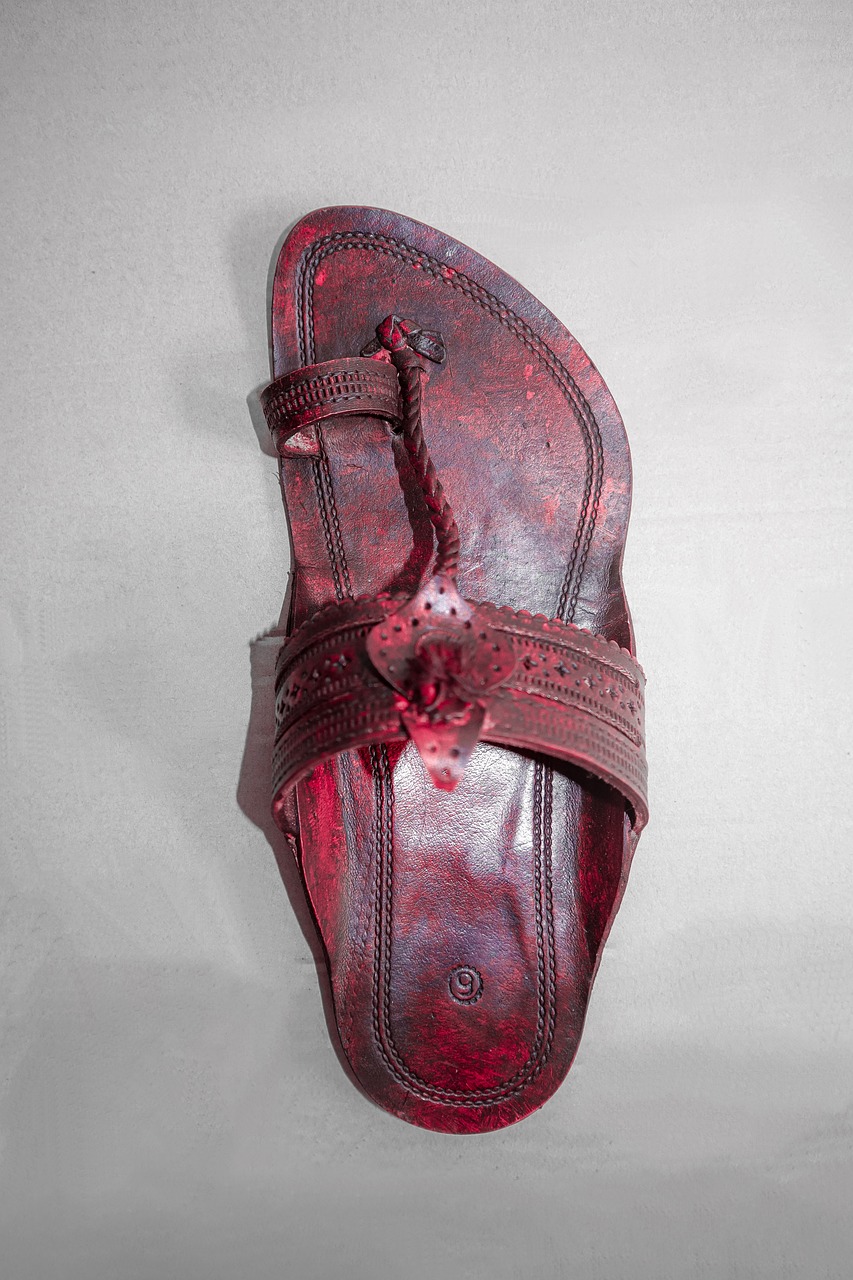
New Delhi: A fierce clash over Maharashtra’s iconic Kolhapuri chappal has gripped national and global attention, with the Rajya Sabha spotlighting ‘robust’ government efforts to protect this 700-year-old craft. On August 1, 2025, Minister of State for Textiles Shri Pabitra Margherita delivered a detailed written reply in Parliament, outlining comprehensive measures to safeguard Kolhapuri artisans amid accusations that Italian luxury brand Prada appropriated the chappal’s design. The controversy, exposed by Global Bihari, has ignited a movement to preserve this cultural treasure.
Also read: Kolhapuri Chappal: Whose Sole Is It?
Margherita’s parliamentary response highlighted the Kolhapuri chappal’s Geographical Indication (GI) status, secured in July 2019 by Sant Rohidas Leather Industries & Charmakar Development Corporation Limited (LIDCOM), Maharashtra, and Dr. Babu Jagjivan Ram Leather Industries Development Corporation Limited (LIDKAR), Bengaluru, with support from the Central Leather Research Institute, Chennai. This GI tag restricts production to specific districts in Maharashtra and Karnataka, ensuring authenticity.
Yet, Prada’s Spring-Summer 2026 Men’s collection, showcased in Milan, featured sandals mirroring the chappal’s intricate braiding and vegetable-tanned leather, labelled merely as “leather sandals” without crediting their Indian origins. Indian designers, artisans, and the Maharashtra Chamber of Commerce, Industry and Agriculture (MACCIA) condemned the move as intellectual property theft, prompting a Public Interest Litigation (PIL) in the Bombay High Court. Filed by advocate Ganesh Hingmire, the PIL seeks compensation for artisans and an injunction against Prada’s sales.
The Global Bihari report detailed how Indian designer Aparajita Toor, whose brand champions Kolhapuri craftsmanship, underscored the chappal’s 12th-century origins under King Bijjala and Prime Minister Basavanna. Each pair, requiring up to six weeks of meticulous work, embodies a legacy now at risk. Hingmire noted Prada’s belated acknowledgement of Indian “inspiration” followed social media backlash, highlighting the need for stronger GI enforcement. The article also celebrated artisans like Deepak Tate, who crafted chappals for Sachin Tendulkar, symbolising the craft’s enduring prestige.
Margherita outlined a multi-faceted strategy under the National Handicrafts Development Programme (NHDP). The Office of the Development Commissioner (Handicrafts) funds GI registrations to prevent design infringement, conducts workshops to educate artisans on GI benefits, and organises GI-themed marketing events to boost consumer awareness. LIDCOM’s QR-coded certifications allow buyers to verify authenticity and connect with artisans’ stories, curbing counterfeits. With 30% of Kolhapur’s 600,000 annual pairs exported, the government supports international trade fair demonstrations, aids Export Promotion Councils, and facilitates e-commerce onboarding to expand global reach.
The controversy has sparked renewed demand for Kolhapuri chappals, crafted by over 10,000 artisans in Kolhapur. Despite challenges like irregular leather supply and low profits, these efforts signal a revival.
– global bihari bureau