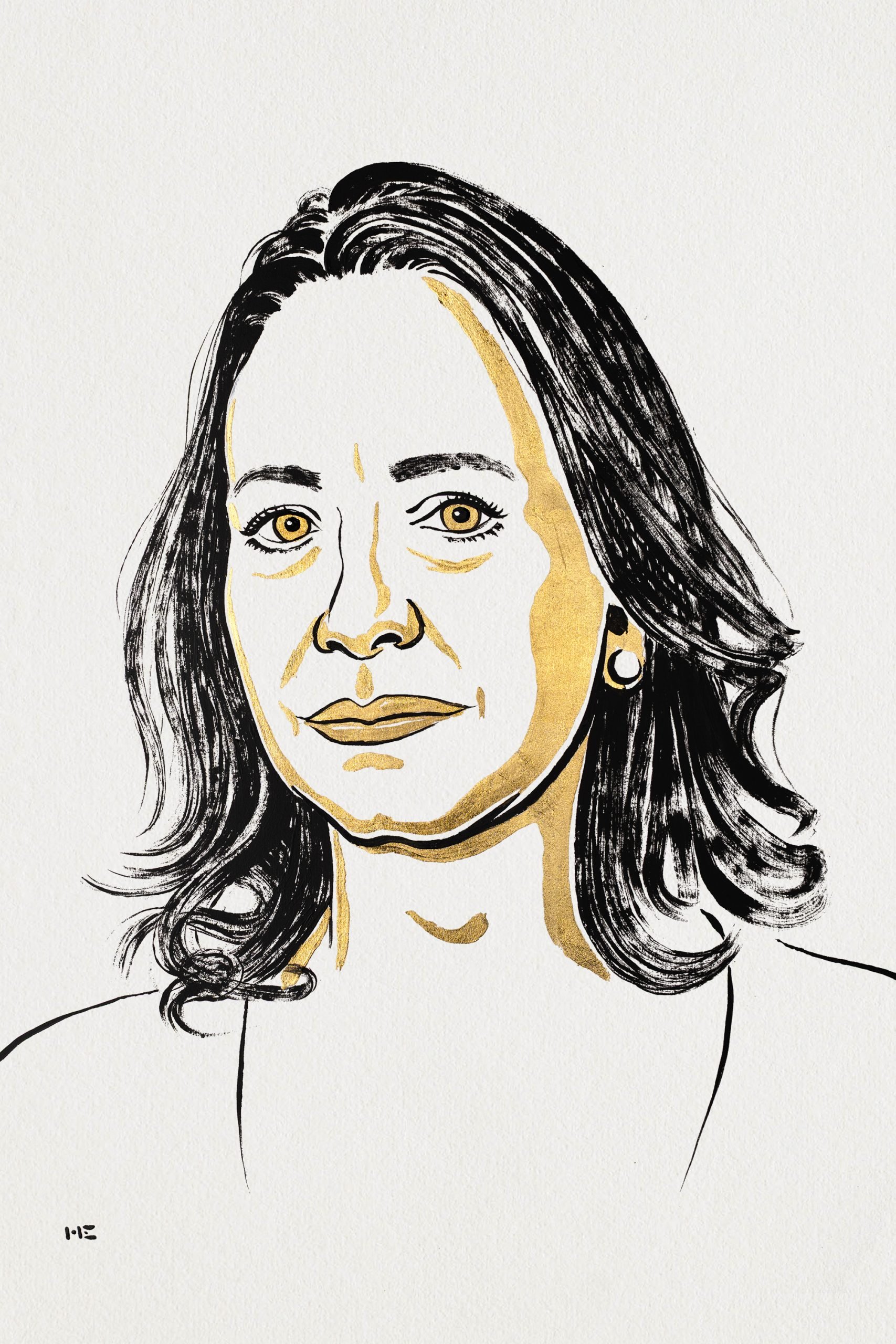
María Corina Machado. Image source: nobelprize.org
Venezuela’s Hope Wins Peace Prize, Trump’s Hype Falls Short
Oslo: In a year marked by global political upheaval, the Norwegian Nobel Committee’s announcement on October 10, 2025, that Venezuelan opposition leader María Corina Machado would receive the 2025 Nobel Peace Prize sent a powerful message about the enduring value of democratic courage. The decision, lauded by the United Nations human rights office (OHCHR), overshadowed a high-octane campaign by U.S. President Donald Trump, who had aggressively pursued the prize with endorsements from global heavyweights like Israeli Prime Minister Benjamin Netanyahu, the governments of Pakistan and Azerbaijan, and U.S. lawmakers such as Republicans Buddy Carter, Darrell Issa, and Claudia Tenney. Trump’s campaign, marked by bold claims of ending “seven wars” and direct lobbying of Norwegian officials, leaned heavily on his role in brokering a last-minute Israel-Hamas ceasefire on October 9, 2025. Yet, the Committee, bound by its 50-year confidentiality rule on nominations, chose Machado for her “tireless work promoting democratic rights” and her “brave and committed” struggle for a “just and peaceful transition from dictatorship to democracy” in Venezuela.
The Nobel Committee’s citation painted Machado as a beacon of hope in a darkening world, describing her as “a woman who keeps the flame of democracy burning amid a growing darkness.” As the leader of Venezuela’s opposition, the 58-year-old activist unified a once-fractured movement, rallying diverse factions around the demand for free elections and representative government. “This is precisely what lies at the heart of democracy: our shared willingness to defend the principles of popular rule, even though we disagree,” the Committee stated, emphasising the global threat to democracy from authoritarian regimes. Machado’s work, spanning over two decades, began with her founding of Súmate, an organisation dedicated to democratic development, where she championed “ballots over bullets.” Despite being barred from running in Venezuela’s 2024 presidential election, she backed Edmundo Gonzalez Urrutia and mobilised hundreds of thousands of volunteers as election observers, who risked harassment, arrest, and torture to document vote tallies. These efforts, the Committee noted, were “innovative and brave, peaceful and democratic,” revealing the opposition’s clear electoral victory, which the regime refused to acknowledge.
OHCHR spokesperson Thameen Al-Kheetan, speaking in Geneva, echoed the Committee’s sentiments, stating, “We congratulate María Corina Machado on being announced as the winner of the Nobel Peace Prize.” He highlighted that the award reflects the Venezuelan people’s aspirations for free elections, civil rights, and the rule of law—values consistently supported by UN High Commissioner for Human Rights Volker Türk. Machado, forced into hiding after a brief detention in January 2025 following an opposition rally, expressed humility, saying, “This is the achievement of a whole society. I am just one person. I certainly do not deserve this.” Her release, reportedly due to international pressure, underscored the global stakes of Venezuela’s crisis, where nearly 8 million people have fled amid economic collapse and authoritarian repression.
The Nobel Committee’s decision came after reviewing 338 nominations—244 individuals and 94 organisations—submitted by the January 31, 2025, deadline, shortly after Trump’s second inauguration. Committee Chair Jørgen Watne Frydnes, in a BBC interview, emphasised the award’s focus on “sustainable and lasting peace,” noting that the final decision on October 7 preceded the Gaza ceasefire, rendering Trump’s latest diplomatic push irrelevant for 2025. Frydnes acknowledged the Committee’s familiarity with high-profile lobbying, stating it receives “thousands and thousands of letters” annually, suggesting Trump’s aggressive campaign, while notable, was part of a crowded field. The Committee also implicitly addressed global authoritarian trends, with Frydnes previously citing actions like Trump’s post-election moves on freedom of expression as examples of democratic erosion, though it adhered to its policy of not commenting on specific candidates.
The OHCHR has extensively documented Venezuela’s civic freedom violations, including targeted detentions labelled as potential enforced disappearances and international crimes. In December 2024, Türk condemned the “disproportionate use of force and violence” during post-electoral protests, which killed at least 28 people, some linked to armed government supporters. The Venezuelan National Assembly’s July 2025 decision to declare Türk and OHCHR staff persona non grata halted UN human rights work in the country. Al-Kheetan called this “regrettable,” stressing, “We remain firmly committed to defending the human rights of all Venezuelans, whether in Venezuela or abroad, with victims at the centre of our work.” He urged renewed engagement with Venezuelan authorities.
Norwegian officials, including Foreign Minister Espen Barth Eide, defended the Committee’s independence amid concerns from figures like Kirsti Bergstø about potential Trump retaliation, such as tariffs or NATO demands. False X posts claiming Trump’s disqualification were debunked, as the Committee does not publicly list nominees. Unverified clips of Frydnes praising “courage and integrity” were not confirmed as targeting any candidate. Experts like Nina Græger of the Peace Research Institute Oslo suggested Trump’s Gaza plan could position him for 2026 if it endures, but for 2025, Machado’s embodiment of Alfred Nobel’s criteria—fostering fraternity, resisting militarisation, and promoting peaceful democratic transition—carried the day. Her award, the Committee declared, honours those who “refuse to stay silent” and “dare to step forward despite grave risk,” inspiring hope for a future where Venezuelans’ voices are heard and their rights protected.
– global bihari bureau