

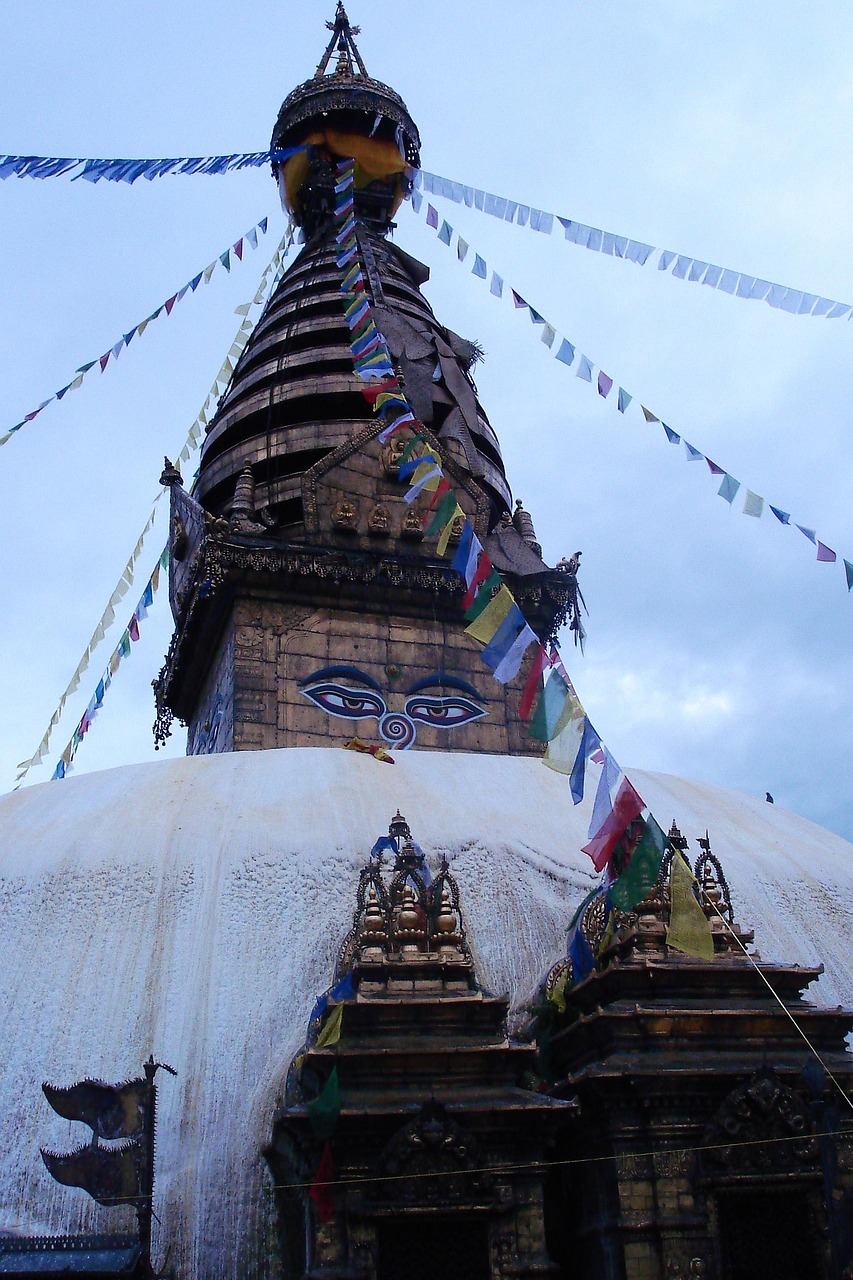
Swambhu, Kathmandu
Nepal’s Parliament Torched
Turmoil Alarms South Asia
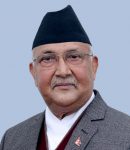
Kathmandu: Nepal’s political landscape faces unprecedented turmoil following Prime Minister Khadga Prasad Sharma Oli’s resignation on September 9, 2025, prompted by violent youth-led protests against a government-imposed ban on 26 social media platforms, including Facebook, Instagram, WhatsApp, X, YouTube, LinkedIn, Reddit, and Signal.
The crisis, which has left at least 19 dead and over 300 injured, has heightened regional concerns, with India, Nepal’s closest neighbour, issuing a travel advisory and urging restraint. China, the other closest neighbour, which has invested 1.2 billion US dollars in Nepal’s hydropower and roads, as per the Ministry of Finance, has maintained a studied silence so far.
The protests, driven by Generation Z (Gen Z) activists demanding an end to corruption and nepotism, have led to the torching of parliament and leaders’ homes, an indefinite curfew in Kathmandu and cities like Itahari, and the temporary closure of Tribhuvan International Airport.
Today, anti-government protesters in Kathmandu, defying an indefinite curfew, stormed and set fire to Nepal’s Federal Parliament building, escalating a youth-led uprising against corruption and a prior social media ban. Hundreds breached the parliament area, torching the main building and smashing windows while spray-painting anti-government slogans, as confirmed by Ekram Giri, spokesperson for the Parliament Secretariat, who told a news agency, “Hundreds have breached the parliament area and torched the main building.”
The selective social media bans, enacted on September 4 and lifted on September 9, have become a focal point of public outrage, symbolising broader governance failures in a nation grappling with economic hardship. The bans, targeting platforms critical for youth organising, amplified accusations of censorship, with the reversal seen as a concession but insufficient without accountability.
The arson followed violent clashes on September 8, and was part of broader attacks on government structures, including the residences of Prime Minister Khadga Prasad Sharma Oli, former Prime Ministers Sher Bahadur Deuba and Pushpa Kamal Dahal (Prachanda), and the Nepali Congress office.
India, sharing a 1,750-kilometre border with Nepal, has responded with urgency to the escalating unrest. The Indian Ministry of External Affairs (MEA) issued a travel advisory on September 9, stating, “In view of the developing situation in Nepal, Indian citizens are advised to defer travel there until the situation has stabilised.” It urged Indian nationals in Nepal to “shelter in their current places of residence, avoid going out onto the streets and exercise all due caution,” and to follow local safety advisories from Nepali authorities and the Embassy of India in Kathmandu, providing helpline numbers (+977-9808602881, +977-9810326134, both WhatsApp-enabled).
A separate MEA press release expressed grief, noting, “We are deeply saddened by the loss of many young lives. Our thoughts and prayers are with the families of the deceased. We also wish a speedy recovery for those who were injured.” It emphasised India’s role as a “close friend and neighbour,” urging “all concerned to exercise restraint and address any issues through peaceful means and dialogue,” while acknowledging the curfew in Kathmandu and other cities.
These statements reflect India’s concern over potential economic and security spillovers, given that 70 per cent of Nepal’s imports, including fuel and food, flow through India, per Nepal’s Ministry of Commerce data.
The crisis erupted after the Nepali government’s September 4 announcement requiring social media platforms to register with the Ministry of Communication and Information Technology under a new law aimed at curbing cybercrimes and ensuring data localisation. Non-compliance led to the selective ban of 26 platforms, justified as protecting “social harmony” but criticised as censorship to suppress dissent amid rising anger over corruption and economic inequality.
Nepal’s per capita income, below 1,400 United States dollars annually per World Bank data, exacerbates frustrations among youth facing unemployment while political elites maintain privilege. Protests began peacefully on September 5, organised by groups like Hami Nepal, but escalated on September 8 when police used live ammunition, rubber bullets, and tear gas, killing 19, including student Sulov Raj Shrestha, and injuring over 300, per Human Rights Watch reports. Protesters marched toward parliament, setting it and leaders’ homes ablaze, and defied curfews, demanding systemic change.
Oli, leader of the Communist Party of Nepal (Unified Marxist-Leninist, CPN-UML), resigned hours after lifting the social media ban, stating through an aide, “I have tendered my resignation to allow for dialogue and stability in the nation,” per Reuters. President Ram Chandra Paudel, accepting the resignation, urged “all those who love the country to cooperate in resolving this crisis through dialogue,” per The Kathmandu Post. The Home Minister’s resignation followed, signalling partial accountability, though protesters demand investigations into the crackdown and parliamentary dissolution. No successor has been named, with the President tasked under Article 76 of Nepal’s Constitution of 2015 to facilitate a new government, a challenge given the coalition’s fragility since the 2022 elections (CPN-UML: 89 seats, Maoist Centre: 32, Rastriya Swatantra Party: 20, Nepali Congress: 89, per Election Commission).
The upheaval builds on Nepal’s history of instability, with 13 governments since the monarchy’s abolition in 2008. The unrest earlier this year, including March’s pro-monarchy protests, killing two and injuring 112, foreshadowed the crisis. Political science lecturer Anil Shrestha noted in April, “The political system is clogged by the same cycle of leaders who’ve failed to bring long-term reform,” per Nepal Monitor. Hami Nepal’s spokesperson called the protests a “popular victory against a corrupt system that silences our voices,” per Al Jazeera, demanding fresh elections. Opposition parties, including the Nepali Congress, had sought Oli’s exit before the violence and now support dialogue, though no specific September 9 quotes from leaders like Sher Bahadur Deuba were available.
The United Nations Resident Coordinator in Nepal, Hanaa Singer-Hamdy, stated on X, “Deeply saddened by reports of loss of life & injuries during today’s demonstrations in Nepal. Heartfelt condolences to the families affected. I urge all parties to exercise maximum restraint & caution,” adding to UN News, “Lots of my staff here are crying. They haven’t seen violence in their lifetime.” Human Rights Watch condemned police actions, noting shots fired near parliament and a hospital, urging probes into “orders from above.” The United States and European Union echoed calls for restraint.
Regionally, the crisis resonates with South Asia’s democratic challenges, exemplified by Bangladesh’s July 2024 job quota protests, which killed over 200, per Human Rights Watch, reflecting a similar youth uprising.
Nepal’s economy, reliant on remittances (28 per cent of Gross Domestic Product, per the World Bank) and tourism, faces strain from airport closures, per the Civil Aviation Authority. The crisis risks regional spillovers, with India’s trade and security interests at stake and potential impacts on China’s Belt and Road projects. As of now, the situation remains volatile, with no clear path to stability.
– global bihari bureau

The Gen Z–led protests in Nepal 🇳🇵 show how strongly the youth want change. From economic issues to governance, young voices are rising louder than ever. This generation isn’t just scrolling—they’re shaping the future!