Shushila Kharki
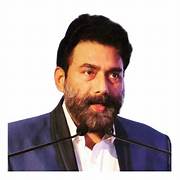 By Onkareshwar Pandey*
Nepal’s First Female PM Leads Post-Protest Shift
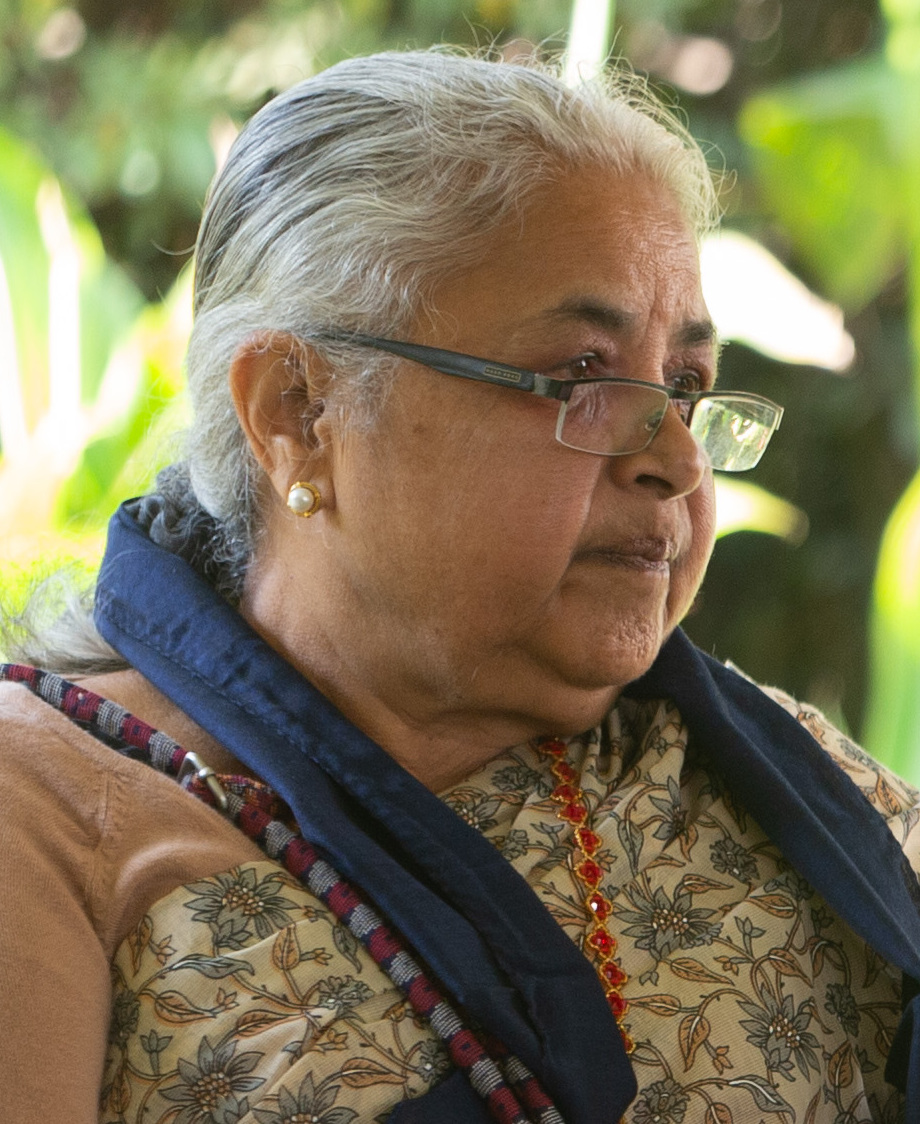
Kathmandu: In the marble corridors of Sheetal Niwas, Nepal’s presidential palace, history is being rewritten. Nepal has appointed Sushila Karki, a former Supreme Court chief justice and anti-corruption advocate, as its first female interim prime minister, a historic move following intense youth-led protests that forced the resignation of Prime Minister K.P. Sharma Oli. Karki, born on June 7, 1952, in Shankarpur, now part of Biratnagar Metropolitan City, is also the first woman to have served as Nepal’s chief justice and, remarkably, the first prime minister in the world chosen through a Discord poll, reflecting the digital momentum of the Gen Z-led Hami Nepal movement. The decision, announced late today by President Ram Chandra Paudel, came after marathon consultations lasting over three hours at Sheetal Niwas, involving constitutional experts, youth leaders, and military officials to navigate the nation’s political crossroads. Karki’s interim government is tasked with restoring stability, investigating corruption, and organizing fresh parliamentary elections within six months, addressing key demands from the uprising that has left the capital scarred by arson and violence, with a death toll of 51 and over 1,000 injuries.
The unrest erupted on September 4 with a government ban on 26 social media platforms, including Facebook, Instagram, YouTube, WhatsApp, and X, which crippled 80 percent of Nepal’s internet traffic and severed digital lifelines for millions. Intended to curb fake news and online fraud, the ban instead fueled outrage over entrenched issues: youth unemployment, dynastic corruption, and digital repression. The “Nepo Kids” social media campaign, exposing the lavish lifestyles of politicians’ children amid widespread economic hardship, galvanized protests that swelled by September 8. Kathmandu descended into chaos as demonstrators breached parliament, torched government buildings like Singha Durbar and the Supreme Court, and attacked residences of figures such as former Prime Minister Sher Bahadur Deuba and Foreign Minister Arzoo Rana Deuba. Luxury hotels, including the Hilton Kathmandu and Hyatt Regency, and two airports were also targeted, forcing a 24-hour closure of Tribhuvan International Airport. Over 13,000 prisoners escaped during the turmoil, and at least 19 fatalities were reported from police gunfire on September 9, prompting accusations of excessive force.
Oli resigned on September 10 after cabinet members, including the home minister, stepped down, citing the need for a constitutional resolution to a crisis that has become Nepal’s worst unrest in decades. The Nepali Army was deployed to enforce curfews in the Kathmandu Valley, with shoot-at-sight orders still active in some areas, though limited public movement is now permitted. The airport has resumed restricted operations, but telecom losses exceed Rs 5 billion, and over 80,000 jobs are at risk due to the digital blackout. Karki, 73, emerged as a consensus choice after discussions at Sheetal Niwas, leveraging Article 76(5) of the Constitution, which allows a non-parliamentarian to be appointed prime minister in extraordinary circumstances.
Karki’s distinguished career began after she completed a Bachelor’s in Arts at Mahendra Morang College in Biratnagar at age 20. She pursued a master’s degree at Banaras Hindu University in India and returned to Nepal to study law, earning a Bachelor of Law from Tribhuvan University in 1978 at age 26. She began practicing as a lawyer on March 30, 1979, and taught at Mahendra Multiple Campus in Dharan from 1986 to 1989. Karki served as president of the Koshi Zonal Bar from 1988 to 1990 and the Biratnagar Appellate Bar from 2002 to 2004. She was named a senior advocate on December 19, 2004, and appointed a temporary Supreme Court justice on January 22, 2009. On November 18, 2010, she became a permanent justice, and in July 2016, she made history as Nepal’s first female chief justice, leading the judiciary for about a year until her retirement in June 2017 upon reaching the mandatory retirement age. Her tenure was marked by fearless anti-corruption rulings, though the Sher Bahadur Deuba-led coalition’s impeachment motion in April 2017, widely seen as an attempt to block her verdict on a police chief appointment, was withdrawn amid public outcry. Her appointment as interim prime minister, endorsed by youth activists via a Discord poll, underscores her reputation for integrity and independence.
Other candidates considered included Kulman Ghising, head of the Nepal Electricity Authority, lauded for ending chronic power outages and seen as a technocratic frontrunner with a clean image. Kathmandu Mayor Balendra Shah, a 35-year-old musician and protest supporter, declined the role but remains a key voice in the movement, while Dharan Mayor Harka Sampang is eyed for a cabinet position. The Gen Z protesters, organized under groups like Hami Nepal and utilizing platforms like Discord for decision-making despite the ban, have outlined demands including dissolving parliament, forming a non-partisan transitional government, holding elections within eight months, establishing a judicial commission to investigate political corruption and assets, and repealing the Social Media Bill 2081 to restore digital freedoms. Using VPNs to bypass restrictions, activists hailed Karki’s appointment as a “digital democracy” victory.
International concern is mounting, with the United Nations, Amnesty International, and Human Rights Watch condemning the violence and calling for investigations into protest-related deaths. India, China, and Pakistan are monitoring developments, wary of regional instability and migration risks. Hundreds of foreign nationals, including Indian pilgrims from Andhra Pradesh and Odisha, have been evacuated via special flights. Amid the upheaval, some protesters have waved portraits of former King Gyanendra, chanting “Maharaj Lauta, Desh Bachau” (King, return and save the nation), reflecting nostalgia for pre-2008 monarchical stability, though analysts deem a restoration unlikely.
As the Supreme Court prepares to partially reopen on September 14, Nepal stands at a historic inflection point. The youth-driven uprising, blending street protests with digital activism, seeks systemic reform beyond leadership changes. The question gripping the nation is no longer if change will come, but whether Karki, inheriting a revolution, can rebuild democracy or if Nepal must rewrite it entirely.
*Senior journalist
(with inputs from global bihari bureau)